


Main Keyword Focus
Improve sleep quality naturally
Introduction
Sleep is one of the most important foundations of good health, productivity, emotional stability, and overall wellness. Unfortunately, many people struggle with poor sleep because of stress, excessive screen time, unhealthy routines, noisy environments, financial pressure, and demanding schedules.
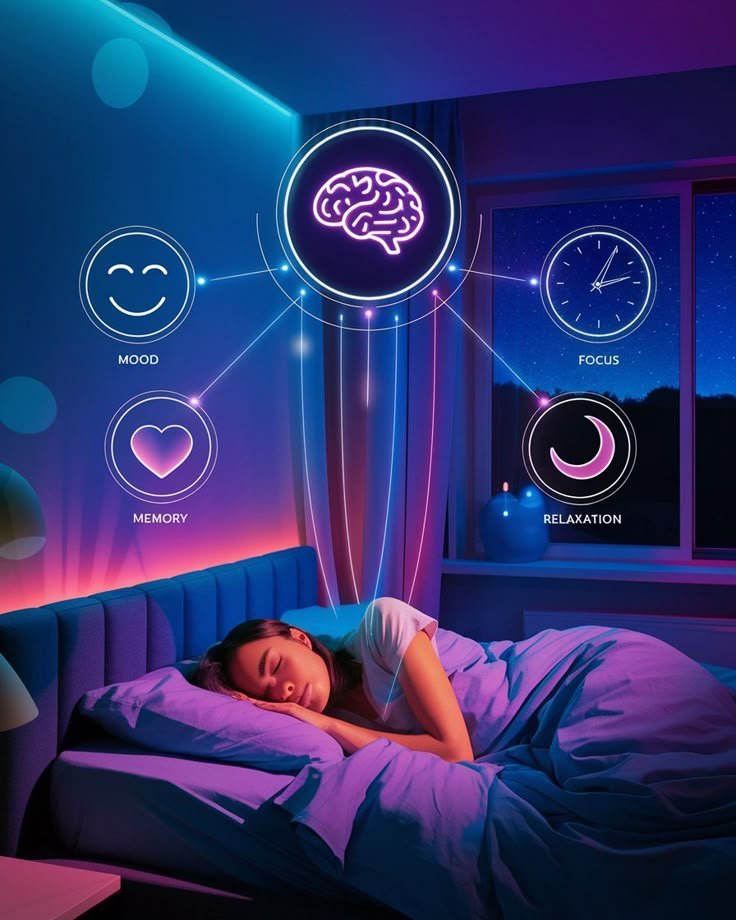
In busy cities such as Accra and Kumasi, many people stay awake late because of work, social media, entertainment, or long commuting hours. Some people also experience sleep problems because of heat, stress, or irregular sleeping schedules. Over time, poor sleep can affect concentration, mood, memory, immunity, productivity, and physical health.
Many individuals try to solve sleep problems using medication immediately, but natural lifestyle changes can often improve sleep quality significantly. The good news is that better sleep habits are achievable through consistency and simple daily adjustments.
This guide explains practical, natural, and sustainable ways to improve your sleep quality without relying heavily on sleeping pills.
Why Sleep Matters
Sleep is essential because your body repairs itself during rest. Quality sleep helps:
- Improve concentration and focus
- Strengthen the immune system
- Reduce stress and anxiety
- Improve emotional balance
- Support healthy weight management
- Increase energy levels
- Improve productivity and memory
Poor sleep, on the other hand, may contribute to:
- Fatigue
- Low productivity
- Mood swings
- Weight gain
- Increased stress
- Poor immune function
- Reduced mental clarity
Step 1: Create a Consistent Sleep Schedule
One of the best ways to improve sleep naturally is to maintain a regular sleeping routine.
Your body has an internal clock called the circadian rhythm. Sleeping and waking up at consistent times helps regulate this internal clock.
Practical Tips
- Go to bed at the same time daily
- Wake up at the same time every morning
- Avoid staying awake unnecessarily late
- Reduce excessive weekend sleep changes
Even if you struggle initially, consistency helps your body adapt over time.
Step 2: Reduce Screen Time Before Bed
Phones, laptops, televisions, and tablets emit blue light that affects melatonin production. Melatonin is the hormone responsible for helping the body prepare for sleep.
Many people spend hours scrolling through social media before bedtime, which overstimulates the brain and delays sleep.
Better Night Habits
- Stop using phones at least one hour before bed
- Use night mode settings on devices
- Read books instead of scrolling social media
- Listen to calming music or podcasts
- Avoid stressful online content before sleeping
Step 3: Improve Your Sleep Environment
Your bedroom environment has a major impact on sleep quality.
Ideal Sleeping Environment
- Cool room temperature
- Comfortable mattress and pillow
- Minimal lighting
- Reduced noise levels
- Good ventilation
Ghanaian Context
Because of warm temperatures in Ghana, many people struggle with heat at night. Using fans, improving ventilation, and reducing room heat can improve comfort significantly.
If your area is noisy, consider:
- Earplugs
- White noise sounds
- Playing calming background audio
- Closing windows during peak noise periods
Step 4: Avoid Heavy Meals Before Sleeping
Eating heavy meals late at night may affect digestion and reduce sleep quality.
Spicy foods, excessive sugar, caffeine, and energy drinks can also interfere with sleep.
Better Evening Food Choices
- Light meals
- Fruits in moderation
- Herbal tea
- Warm water
- Light soups
Foods and Drinks to Reduce at Night
- Coffee
- Energy drinks
- Sugary beverages
- Fried foods
- Heavy fast food meals
Step 5: Exercise Regularly
Physical activity improves sleep quality naturally.
Exercise reduces stress hormones and helps the body relax more effectively.
Recommended Activities
- Walking
- Jogging
- Stretching
- Cycling
- Home workouts
- Light evening exercise
Important Tip
Avoid intense workouts immediately before bedtime because they may increase energy levels temporarily.
Step 6: Manage Stress Effectively
Stress is one of the leading causes of poor sleep.
Financial pressure, work demands, family responsibilities, and emotional stress can make it difficult to relax.
Natural Stress Management Techniques
- Deep breathing exercises
- Prayer and meditation
- Journaling
- Relaxation music
- Talking with supportive friends
- Spending time outdoors
Step 7: Limit Daytime Naps
Long daytime naps may interfere with nighttime sleep.
Recommended Nap Guidelines
- Keep naps short
- Aim for 20–30 minutes
- Avoid evening naps
Ghanaian Lifestyle Example
A young office worker in Accra struggled with poor sleep because of late-night social media use and stressful commuting schedules. After creating a fixed bedtime routine, reducing phone usage before bed, and walking regularly in the evenings, his sleep quality improved significantly within a few weeks.
This example shows how small lifestyle changes can create major long-term health improvements.
Practical Tools and Resources
Several tools can support better sleep habits.
Helpful Apps
- Sleep Cycle
- Calm
- Headspace
- Google Fit
Physical Tools
- Blackout curtains
- Comfortable pillows
- Sleep journals
- White noise machines
Common Sleep Mistakes to Avoid
Many people unknowingly worsen their sleep quality.
Common Mistakes
- Using phones late at night
- Drinking too much caffeine
- Sleeping at inconsistent times
- Watching stimulating content before bed
- Ignoring stress management
Long-Term Benefits of Better Sleep
Improving sleep quality can produce major long-term benefits.
Benefits Include
- Better mental clarity
- Increased productivity
- Improved mood
- Better physical recovery
- Reduced stress
- Stronger immunity
- Improved emotional wellness
Frequently Asked Questions
How many hours should adults sleep?
Most adults need between 7 and 9 hours of sleep daily.
Can stress cause insomnia?
Yes. Stress and anxiety are major causes of sleep problems.
Does exercise improve sleep?
Yes. Regular physical activity improves sleep quality naturally.
Is afternoon napping unhealthy?
Short naps are usually fine, but long naps may disrupt nighttime sleep.
Should I use sleeping pills regularly?
Medication should only be used under medical guidance. Natural sleep improvement habits are often safer for long-term wellness.
Conclusion
Improving sleep quality naturally requires consistency, patience, and healthy daily habits. Small changes, such as reducing screen time, improving your sleeping environment, managing stress, and exercising regularly, can create major long-term improvements.
Good sleep is not a luxury. It is an essential part of overall health and productivity.
Call to Action
Start improving your sleep quality tonight by implementing at least two strategies from this guide. Small, consistent improvements can transform your energy, health, and productivity over time.