


How to Build Better Self-Discipline for Healthy Living

Main Keyword Focus

Self-discipline for healthy living. Learn how to build self-discipline for healthy living through practical habits, mindset shifts, and daily routines that support long-term wellness.

Introduction

Many people know what they should do to improve their health. They know they should exercise regularly, eat healthier foods, sleep adequately, and reduce stress. However, knowledge alone is not enough. The difference between those who achieve lasting health goals and those who struggle often comes down to self-discipline.

Self-discipline is the ability to make decisions based on long-term benefits rather than short-term comfort. It helps you stay committed to healthy habits even when motivation disappears.

In Ghana, busy work schedules, family obligations, social gatherings, and increasing access to unhealthy foods can make healthy living challenging. Developing self-discipline allows you to stay focused on your wellness goals regardless of external circumstances.

Why Self-Discipline Matters

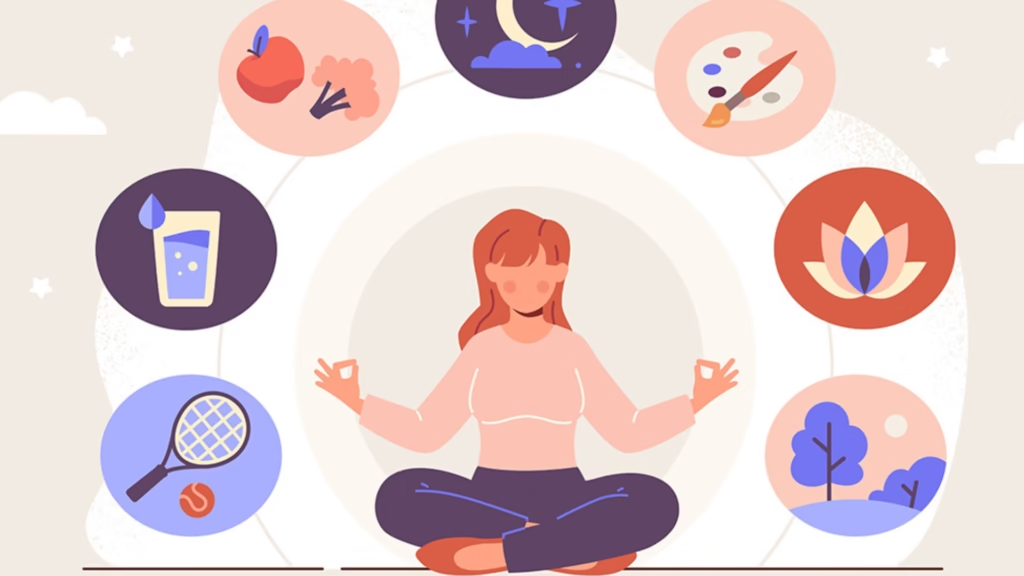
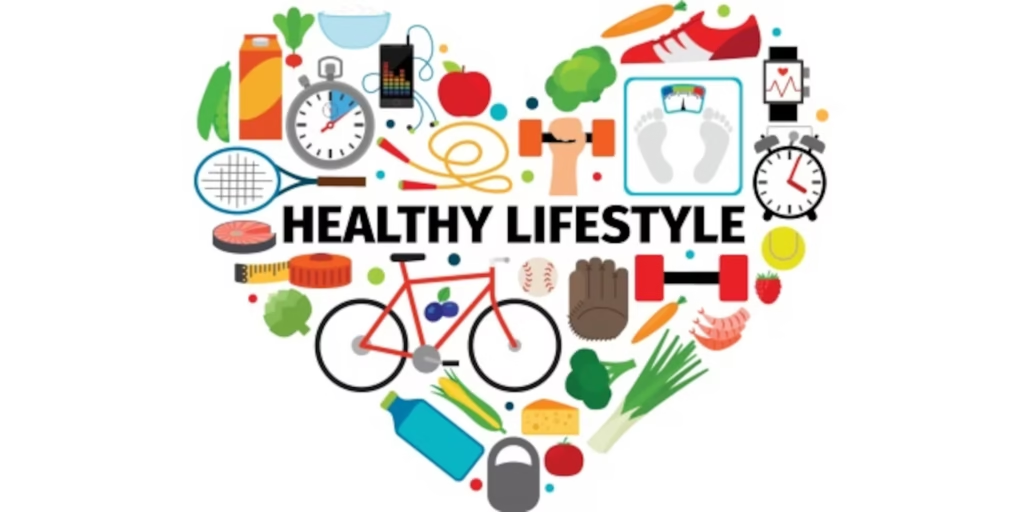
Self-discipline helps you:

  • Exercise consistently
  • Eat healthier foods
  • Maintain healthy sleep habits
  • Manage stress effectively
  • Achieve long-term wellness goals

Step 1: Set Clear Health Goals

Vague goals often fail.

Instead of saying:
“I want to get healthy.”

Say:
“I will walk for 30 minutes five times weekly.”

Step 2: Start Small

Many people fail because they attempt drastic changes.

Examples:

  • Drink one extra glass of water daily
  • Walk 15 minutes daily
  • Eat vegetables with one meal daily

Step 3: Create Healthy Routines

Habits reduce the need for willpower.

Examples

  • Exercise after work
  • Drink water after waking up
  • Sleep at the same time daily

Step 4: Remove Temptations

Your environment affects your behavior.

Practical Tips

  • Avoid stocking excessive junk food
  • Reduce social media distractions
  • Keep healthy snacks available

Ghanaian Context

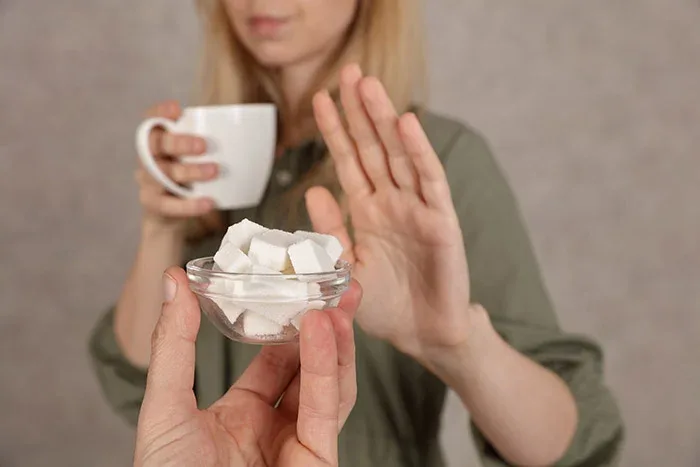
Many social events involve large portions of food and sugary drinks. Self-discipline helps you enjoy these occasions while maintaining balance.

Step 5: Track Progress

Monitor:

  • Exercise sessions
  • Water intake
  • Sleep quality
  • Healthy meals consumed

Helpful Tools

  • Habit Tracker
  • Google Calendar
  • Notion
  • Journal notebooks

FAQs

Can self-discipline be learned?

Yes. It improves through consistent practice.

What if I miss a day?

Resume immediately. Avoid giving up completely.

Conclusion

Self-discipline is one of the most valuable skills for long-term health and wellness.

Call to Action

Choose one healthy habit and commit to it for the next 30 days.

Best Exercises for Beginners at Home

Introduction

Starting a fitness journey can feel intimidating. Many beginners worry about equipment, gym memberships, or advanced workouts.

Fortunately, effective exercises can be performed at home using only body weight.

Benefits of Home Exercise

  • Convenient
  • Affordable
  • Flexible
  • Beginner-friendly

Exercise 1: Squats

Benefits:

  • Strengthen legs
  • Improve mobility
  • Build lower body strength

Exercise 2: Push-Ups

Benefits:

  • Strengthen chest
  • Build arm strength
  • Improve core stability

Beginner Option

Perform knee push-ups initially.

Exercise 3: Lunges

Benefits:

  • Improve balance
  • Strengthen legs
  • Increase stability

Exercise 4: Planks

Benefits:

  • Strengthen core
  • Improve posture
  • Increase stability

Exercise 5: Jumping Jacks

Benefits:

  • Increase heart rate
  • Improve endurance
  • Burn calories

Sample Beginner Routine

Round 1

  • 10 Squats
  • 5 Push-Ups
  • 10 Lunges
  • 20-Second Plank
  • 20 Jumping Jacks

Repeat 3 times.

Ghanaian Context

Limited space should not prevent fitness. Many people successfully exercise in living rooms, compounds, and community spaces.

Practical Tools

  • Exercise mat
  • Resistance bands
  • Fitness apps
  • Water bottle

FAQs

How often should beginners exercise?

3–5 times weekly.

Do I need equipment?

No. Bodyweight exercises are effective.

Conclusion

Simple exercises performed consistently produce significant long-term health benefits.

Call to Action

Complete your first beginner workout today and track your progress weekly.

How to Build Better Self-Discipline for Healthy Living

Main Keyword Focus

Self-discipline for healthy living

Introduction

Many people know what they should do to improve their health. They know they should exercise regularly, eat healthier foods, sleep adequately, and reduce stress. However, knowledge alone is not enough. The difference between those who achieve lasting health goals and those who struggle often comes down to self-discipline.

Self-discipline is the ability to make decisions based on long-term benefits rather than short-term comfort. It helps you stay committed to healthy habits even when motivation disappears.

In Ghana, busy work schedules, family obligations, social gatherings, and increasing access to unhealthy foods can make healthy living challenging. Developing self-discipline allows you to stay focused on your wellness goals regardless of external circumstances.

Why Self-Discipline Matters

Self-discipline helps you:

  • Exercise consistently
  • Eat healthier foods
  • Maintain healthy sleep habits
  • Manage stress effectively
  • Achieve long-term wellness goals

Step 1: Set Clear Health Goals

Vague goals often fail.

Instead of saying:
“I want to get healthy.”

Say:
“I will walk for 30 minutes five times weekly.”

Step 2: Start Small

Many people fail because they attempt drastic changes.

Examples:

  • Drink one extra glass of water daily
  • Walk 15 minutes daily
  • Eat vegetables with one meal daily

Step 3: Create Healthy Routines

Habits reduce the need for willpower.

Examples

  • Exercise after work
  • Drink water after waking up
  • Sleep at the same time daily

Step 4: Remove Temptations

Your environment affects your behavior.

Practical Tips

  • Avoid stocking excessive junk food
  • Reduce social media distractions
  • Keep healthy snacks available

Ghanaian Context

Many social events involve large portions of food and sugary drinks. Self-discipline helps you enjoy these occasions while maintaining balance.

Step 5: Track Progress

Monitor:

  • Exercise sessions
  • Water intake
  • Sleep quality
  • Healthy meals consumed

Helpful Tools

  • Habit Tracker
  • Google Calendar
  • Notion
  • Journal notebooks

FAQs

Can self-discipline be learned?

Yes. It improves through consistent practice.

What if I miss a day?

Resume immediately. Avoid giving up completely.

Conclusion

Self-discipline is one of the most valuable skills for long-term health and wellness.

Call to Action

Choose one healthy habit and commit to it for the next 30 days.

How to Improve Heart Health Naturally

Main Keyword Focus

Improve heart health naturally

Introduction

Heart disease is becoming increasingly common worldwide. Lifestyle choices significantly influence heart health.

The good news is that many risk factors are preventable.

Why Heart Health Matters

A healthy heart:

  • Pumps blood efficiently
  • Supports energy levels
  • Reduces disease risk
  • Improves longevity

Step 1: Improve Nutrition

Reduce:

  • Excess sugar
  • Excess salt
  • Processed foods

Increase:

  • Fruits
  • Vegetables
  • Whole grains

Step 2: Exercise Consistently

Aim for:

  • Walking
  • Jogging
  • Cycling
  • Swimming

At least 150 minutes weekly.

Step 3: Maintain Healthy Weight

Healthy weight reduces heart strain.

Step 4: Avoid Smoking

Smoking significantly increases cardiovascular risks.

Step 5: Manage Stress

Chronic stress may increase blood pressure.

Step 6: Monitor Blood Pressure

Regular checks help identify problems early.

Ghanaian Context

High consumption of salty processed foods and sedentary lifestyles contribute to growing cardiovascular risks.

Practical Tools

  • Blood pressure monitors
  • Fitness trackers
  • Nutrition apps

FAQs

What foods support heart health?

Vegetables, fruits, beans, fish, and whole grains.

Can walking improve heart health?

Absolutely.

Conclusion

Small daily improvements significantly improve heart health.

Call to Action

Begin a daily walking habit and schedule a health checkup.


How to Stay Fit Without Going to the Gym

Main Keyword Focus

Stay fit without gym

Introduction

Many people assume fitness requires expensive gym memberships and equipment. However, staying fit is possible using simple, affordable methods.

This is especially relevant in Ghana, where busy schedules, transportation challenges, and financial limitations may prevent regular gym attendance.

Why Fitness Matters

Regular physical activity helps:

  • Improve heart health
  • Maintain healthy weight
  • Reduce stress
  • Increase energy
  • Improve sleep

Step 1: Walk More

Walking is one of the most effective forms of exercise.

Goals

  • 7,000–10,000 steps daily
  • Walk during breaks
  • Use stairs when possible

Step 2: Perform Bodyweight Exercises

Examples include:

  • Push-ups
  • Squats
  • Lunges
  • Planks
  • Mountain climbers

Step 3: Create a Weekly Plan

Example:

  • Monday: Full body workout
  • Tuesday: Walking
  • Wednesday: Cardio
  • Thursday: Stretching
  • Friday: Strength workout
  • Saturday: Outdoor activity
  • Sunday: Recovery

Step 4: Stay Active Throughout the Day

Small movements add up.

Examples

  • Standing while working
  • Household chores
  • Gardening
  • Walking to nearby destinations

Ghanaian Context

Many neighborhoods offer opportunities for outdoor walking, football, jogging, and community fitness activities without requiring gym memberships.

Practical Tools

  • Google Fit
  • Samsung Health
  • Step trackers
  • Resistance bands

FAQs

Is walking enough?

Walking provides excellent health benefits when done consistently.

Can home workouts build muscle?

Yes, especially when progressively increased.

Conclusion

Fitness depends more on consistency than location.

Call to Action

Commit to at least 30 minutes of daily movement this week.


How to Build a Healthy Morning Routine

Main Keyword Focus

Healthy morning routine

Introduction

The way you start your morning often determines how the rest of your day unfolds. Many successful people attribute part of their productivity, focus, and emotional stability to a well-structured morning routine.

Unfortunately, many people wake up late, immediately check social media, skip breakfast, rush to work, and start the day feeling stressed.

In Ghana, especially in busy cities such as Accra, Tema, and Kumasi, traffic congestion and demanding work schedules make it even more important to establish a healthy morning routine.

This guide explains how to create a morning routine that improves your health, productivity, and overall quality of life.

Benefits of a Healthy Morning Routine

A good morning routine can:

  • Increase productivity
  • Improve focus
  • Reduce stress
  • Improve physical health
  • Enhance emotional wellbeing
  • Create better time management habits

Step 1: Wake Up at the Same Time Daily

Consistency helps regulate your body clock.

Tips

  • Set a fixed wake-up time
  • Avoid repeatedly snoozing alarms
  • Sleep early enough to get adequate rest

Step 2: Hydrate Immediately

After several hours of sleep, your body needs hydration.

Healthy Morning Drinks

  • Water
  • Warm lemon water
  • Unsweetened herbal tea

Step 3: Avoid Your Phone Immediately

Many people begin the day consuming stressful information.

Instead:

  • Stretch
  • Pray
  • Meditate
  • Journal
  • Read something positive

Step 4: Exercise or Stretch

Morning movement boosts energy and circulation.

Simple Options

  • Walking
  • Jogging
  • Yoga
  • Stretching
  • Home workouts

Step 5: Eat a Nutritious Breakfast

A healthy breakfast supports concentration and energy.

Ghanaian Breakfast Ideas

  • Oats
  • Hausa koko with moderation
  • Boiled eggs
  • Fruits
  • Millet porridge

Step 6: Plan Your Day

Write down:

  • Top priorities
  • Meetings
  • Tasks
  • Personal goals

Ghanaian Context

People commuting from Kasoa, Amasaman, Adenta, and surrounding areas often face long travel times. Planning the morning effectively can reduce stress significantly.

Practical Tools

  • Google Calendar
  • Notion
  • To do list
  • Habit Tracker Apps

FAQs

How long should a morning routine be?

30–90 minutes is sufficient.

Should I exercise every morning?

Not necessarily, but regular movement helps.

Conclusion

A healthy morning routine creates momentum for a productive day.

Call to Action

Choose one new morning habit and practice it consistently for the next seven days.

HOW TO LOSE WEIGHT NATURALLY AND SAFELY

Main Keyword Focus

Lose weight naturally

Introduction

Many people want to lose weight quickly, but extreme dieting and unhealthy shortcuts often create temporary results instead of long-term success.

Healthy weight loss should focus on sustainable habits rather than dangerous restrictions.

In Ghana, urban lifestyles, increased fast-food consumption, sugary drinks, and reduced physical activity have contributed to rising obesity and lifestyle-related health problems.

Natural weight loss involves improving eating habits, increasing physical activity, improving sleep, and building consistent healthy routines.

This guide explains safe and sustainable strategies for natural weight loss.

Why Healthy Weight Loss Matters

Maintaining a healthy weight may:

  • Improve energy levels
  • Reduce health risks
  • Improve confidence
  • Support heart health
  • Improve mobility
  • Reduce fatigue

Step 1: Improve Your Eating Habits

Nutrition plays a major role in weight management.

Better Nutrition Habits

  • Eat more vegetables
  • Reduce sugary drinks
  • Limit excessive fried foods
  • Eat balanced meals
  • Avoid overeating

Step 2: Increase Physical Activity

Exercise helps burn calories while improving fitness.

Helpful Exercises

  • Walking
  • Jogging
  • Home workouts
  • Dancing
  • Cycling

Ghanaian Context

Traffic congestion and sedentary office jobs reduce daily movement for many people in Accra and Kumasi. Intentional physical activity becomes increasingly important.

Step 3: Improve Sleep Quality

Poor sleep affects hormones related to hunger and cravings.

Better Sleep Habits

  • Sleep consistently
  • Reduce nighttime screen time
  • Avoid heavy late meals

Step 4: Reduce Sugary Drinks

Sugary beverages often contain excessive calories.

Better Alternatives

  • Water
  • Coconut water
  • Unsweetened tea
  • Fresh fruit-infused water

Step 5: Track Progress Realistically

Healthy weight loss takes time.

Better Progress Tracking

  • Take body measurements
  • Track energy improvements
  • Monitor consistency instead of perfection

Step 6: Avoid Crash Diets

Extreme diets are difficult to maintain and may harm health.

Better Approach

Focus on long-term lifestyle improvements.

Practical Tools and Resources

Helpful Apps

  • MyFitnessPal
  • Google Fit
  • Step trackers

Helpful Equipment

  • Exercise mats
  • Resistance bands
  • Skipping ropes

Common Weight Loss Mistakes

Mistakes to Avoid

  • Skipping meals excessively
  • Following unrealistic diets
  • Ignoring sleep
  • Expecting instant results

Frequently Asked Questions

How fast should healthy weight loss happen?

Gradual and consistent weight loss is usually healthier.

Is walking effective for weight loss?

Yes. Walking consistently supports fat loss and fitness.

Are crash diets safe?

Most extreme diets are difficult to sustain and may affect health negatively.

Conclusion

Natural weight loss requires patience, consistency, and healthy daily habits.

Sustainable lifestyle improvements create better long-term results than temporary extreme methods.

Call to Action

Start your healthy weight-loss journey today by making one realistic nutrition or exercise improvement.

HOW TO IMPROVE MENTAL HEALTH NATURALLY

Main Keyword Focus

Improve mental health naturally

Introduction

Mental health affects how people think, feel, manage stress, and interact with others. Unfortunately, mental wellness is often neglected despite its major impact on overall quality of life.

In Ghana and many other countries, increasing financial pressure, social expectations, unemployment, relationship stress, and work-related challenges are affecting emotional wellness significantly.

Many individuals struggle silently because of stigma surrounding mental health discussions.

Improving mental health naturally requires healthy habits, emotional awareness, supportive relationships, and proper self-care.

This guide explains practical ways to improve emotional wellness naturally.

Why Mental Health Matters

Good mental health supports:

  • Better relationships
  • Improved productivity
  • Emotional balance
  • Better decision-making
  • Reduced stress
  • Greater confidence

Poor mental health may contribute to:

  • Anxiety
  • Depression
  • Emotional burnout
  • Poor concentration
  • Sleep problems

Step 1: Improve Sleep Quality

Sleep strongly affects emotional wellness.

Better Sleep Habits

  • Maintain consistent bedtimes
  • Reduce nighttime phone usage
  • Create a relaxing environment
  • Avoid excessive caffeine

Step 2: Exercise Regularly

Exercise improves mood naturally by releasing feel-good chemicals.

Helpful Activities

  • Walking
  • Dancing
  • Stretching
  • Home workouts
  • Outdoor activities

Step 3: Build Healthy Relationships

Strong support systems improve emotional resilience.

Helpful Relationship Habits

  • Spend time with supportive people
  • Communicate honestly
  • Avoid toxic relationships
  • Build healthy boundaries

Step 4: Practice Gratitude

Gratitude shifts focus away from constant negativity.

Gratitude Ideas

  • Keep a gratitude journal
  • Reflect on daily blessings
  • Appreciate progress instead of perfection

Step 5: Reduce Negative Influences

Constant exposure to toxic environments may worsen emotional wellness.

Examples

  • Negative social media content
  • Harmful friendships
  • Constant comparison
  • Excessive news consumption

Ghanaian Context

Mental health discussions are becoming more open in Ghana, but stigma still exists. Encouraging supportive conversations and emotional awareness can improve community wellness.

Step 6: Learn Stress Management Skills

Stress and mental health are closely connected.

Helpful Stress Management Strategies

  • Deep breathing
  • Prayer and meditation
  • Time management
  • Relaxation techniques

Step 7: Seek Professional Help When Necessary

Professional support is important when emotional struggles become overwhelming.

Seeking help is a sign of strength, not weakness.

Practical Tools and Resources

Helpful Apps

  • Calm
  • Headspace
  • Moodfit
  • Journaling apps

Helpful Habits

  • Daily reflection
  • Outdoor walks
  • Limiting screen overload

Common Mental Health Mistakes

Mistakes to Avoid

  • Ignoring emotional exhaustion
  • Isolating yourself completely
  • Suppressing emotions constantly
  • Neglecting sleep and nutrition

Frequently Asked Questions

Can exercise improve mental health?

Yes. Regular activity supports emotional balance.

Does poor sleep affect mental wellness?

Yes. Sleep strongly affects mood and emotional stability.

Is therapy helpful?

Yes. Professional guidance can improve coping skills and emotional wellness.

Conclusion

Mental wellness is an essential part of overall health.

Improving mental health naturally requires consistent healthy habits, supportive relationships, stress management, and self-awareness.

Call to Action

Prioritize your emotional wellness today by practicing one healthy self-care activity consistently.

BEST HEALTHY GHANAIAN FOODS FOR DAILY NUTRITION

Main Keyword Focus

Healthy Ghanaian foods

Introduction

Traditional Ghanaian foods can provide excellent nutrition when prepared properly and eaten in moderation. Unfortunately, many people increasingly rely on processed foods, sugary drinks, and fast food because of convenience and busy lifestyles.

Urbanization has changed eating habits significantly, especially in cities such as Accra and Kumasi. However, many traditional Ghanaian foods remain highly nutritious and affordable.

Healthy eating does not require expensive imported products. Many local foods provide vitamins, minerals, fiber, protein, and healthy energy.

This guide explains some of the best healthy Ghanaian foods for long-term wellness and how to include them in a balanced diet.

Why Nutrition Matters

Good nutrition supports:

  • Strong immunity
  • Better energy levels
  • Healthy digestion
  • Improved mental focus
  • Healthy weight management
  • Long-term disease prevention

Poor eating habits may increase the risk of:

  • Obesity
  • Diabetes
  • High blood pressure
  • Heart disease
  • Fatigue

1. Kontomire (Cocoyam Leaves)

Kontomire is one of the most nutritious vegetables commonly eaten in Ghana.

Nutritional Benefits

  • Rich in iron
  • High in vitamins
  • Supports healthy blood production
  • Contains fiber

Healthy Preparation Tips

  • Reduce excessive palm oil usage
  • Include fish or lean protein
  • Add vegetables for balance

2. Beans

Beans are affordable and highly nutritious.

Benefits of Beans

  • High protein content
  • Supports muscle repair
  • Rich in fiber
  • Helps improve digestion
  • Helps maintain fullness longer

Beans are commonly used in waakye and beans stew.

3. Plantain

Plantain provides energy and important nutrients.

Healthy Ways to Eat Plantain

  • Boiled plantain
  • Roasted plantain
  • Moderately fried plantain

Nutritional Benefits

  • Potassium
  • Fiber
  • Healthy carbohydrates

4. Garden Eggs

Garden eggs are rich in antioxidants and fiber.

Benefits

  • Supports digestion
  • Low in calories
  • Good for heart health

5. Brown Rice

Brown rice contains more fiber than highly processed white rice.

Benefits

  • Supports digestion
  • Helps control blood sugar
  • Provides sustained energy

6. Millet and Local Grains

Millet is commonly used in Hausa koko and other traditional meals.

Benefits

  • Rich in nutrients
  • Good for digestion
  • Supports energy levels

7. Fresh Fruits

Fruits support immunity and hydration.

Healthy Fruit Options

  • Mangoes
  • Pineapples
  • Watermelon
  • Oranges
  • Bananas
  • Pawpaw

Step-by-Step Tips for Healthier Eating

Step 1: Eat More Homemade Meals

Home-cooked meals often contain less unhealthy fat and sugar.

Step 2: Reduce Excessive Fried Foods

Too much fried food may increase health risks.

Step 3: Drink More Water

Hydration supports digestion and energy.

Step 4: Balance Your Meals

Include:

  • Protein
  • Vegetables
  • Healthy carbohydrates
  • Fruits

Ghanaian Lifestyle Context

Many Ghanaian families still cook nutritious traditional meals at home. However, increasing fast-food dependence is affecting long-term health.

Returning to balanced traditional meals can improve nutrition significantly.

Practical Tools and Resources

Helpful Tools

  • Meal planners
  • Nutrition tracking apps
  • Grocery lists

Helpful Habits

  • Buying fresh market produce
  • Preparing meals in advance
  • Reducing sugary drinks

Common Nutrition Mistakes

Mistakes to Avoid

  • Excessive sugary drinks
  • Skipping vegetables
  • Eating large portions late at night
  • Relying heavily on processed foods

Frequently Asked Questions

Is fufu healthy?

Fufu can be part of a healthy diet when eaten in moderation with balanced soup portions.

Are traditional Ghanaian foods healthy?

Yes. Many traditional foods contain important nutrients.

Is healthy eating expensive?

Many local whole foods are affordable and nutritious.

Conclusion

Healthy Ghanaian foods can support excellent long-term wellness when prepared properly and consumed in balance.

Traditional nutrition combined with healthy lifestyle habits can improve energy, immunity, and overall health.

Call to Action

Choose one healthier local meal to prepare this week and begin improving your nutrition gradually.

HOW TO REDUCE STRESS NATURALLY WITHOUT MEDICATION

Main Keyword Focus

Reduce stress naturally

Introduction

Stress has become one of the most common health challenges affecting people worldwide. In Ghana, many people experience stress because of financial pressure, demanding jobs, traffic congestion, relationship challenges, family responsibilities, and economic uncertainty.

While short-term stress is normal, long-term stress can negatively affect physical health, emotional wellness, productivity, relationships, and sleep quality. Many individuals ignore stress until it begins affecting their daily lives.

Stress can contribute to headaches, fatigue, anxiety, high blood pressure, emotional burnout, poor concentration, and weakened immunity.

Although some people rely heavily on medication, natural stress management techniques can significantly improve mental wellness and overall quality of life.

This guide explains practical ways to reduce stress naturally and build healthier emotional habits.

Understanding Stress

Stress is the body’s response to pressure, challenges, or overwhelming situations.

Common Causes of Stress

  • Financial problems
  • Workplace pressure
  • Relationship conflicts
  • Poor sleep
  • Health concerns
  • Social expectations
  • Information overload from social media

Signs of Excessive Stress

Many people experience stress symptoms without recognizing them.

Common Stress Symptoms

  • Constant fatigue
  • Irritability
  • Difficulty sleeping
  • Poor concentration
  • Headaches
  • Muscle tension
  • Emotional exhaustion
  • Anxiety

Recognizing these signs early is important.

Step 1: Identify Your Stress Triggers

You cannot effectively manage stress without understanding its sources.

Practical Strategy

Spend time identifying:

  • Situations that overwhelm you
  • People who increase stress levels
  • Habits that worsen emotional exhaustion

Writing these triggers down can help create awareness.

Step 2: Improve Your Time Management

Poor time management often increases stress.

Better Time Management Habits

  • Create daily schedules
  • Prioritize important tasks
  • Reduce procrastination
  • Break large tasks into smaller goals
  • Avoid multitasking excessively

Ghanaian Context

In cities like Accra, long commuting hours and traffic congestion can increase stress significantly. Planning activities early and reducing unnecessary movement may help reduce daily frustration.

Step 3: Exercise Regularly

Physical activity helps reduce stress hormones while improving mood.

Effective Stress-Relief Exercises

  • Walking
  • Jogging
  • Stretching
  • Dancing
  • Home workouts
  • Cycling

Even 20–30 minutes of daily activity can improve emotional wellness.

Step 4: Improve Sleep Quality

Poor sleep and stress often reinforce each other.

Better Sleep Habits

  • Maintain consistent bedtime schedules
  • Reduce screen time before bed
  • Avoid heavy meals late at night
  • Create a relaxing sleep environment

Step 5: Practice Deep Breathing and Relaxation

Deep breathing techniques calm the nervous system naturally.

Simple Breathing Exercise

  1. Sit comfortably
  2. Inhale slowly for four seconds
  3. Hold for four seconds
  4. Exhale slowly for four seconds
  5. Repeat several times

Step 6: Reduce Social Media Overload

Constant exposure to negative news and unrealistic comparisons may increase anxiety and emotional pressure.

Healthier Social Media Habits

  • Limit screen time
  • Unfollow toxic content
  • Take regular digital breaks
  • Focus on real-life relationships

Step 7: Build Strong Support Systems

Emotional support improves mental resilience.

Helpful Support Systems

  • Trusted friends
  • Family members
  • Faith communities
  • Counselors or therapists

Practical Tools and Resources

Helpful Apps

  • Calm
  • Headspace
  • Insight Timer
  • Mood tracking apps

Other Helpful Resources

  • Journals
  • Relaxation music playlists
  • Wellness podcasts

Common Stress Management Mistakes

Mistakes to Avoid

  • Ignoring stress completely
  • Using alcohol excessively to cope
  • Overworking constantly
  • Isolating yourself
  • Neglecting sleep and nutrition

Frequently Asked Questions

Can stress affect physical health?

Yes. Chronic stress may contribute to high blood pressure, fatigue, headaches, and weakened immunity.

Does exercise reduce stress?

Yes. Physical activity helps improve mood and reduce stress hormones.

Can poor sleep increase stress?

Yes. Sleep and stress strongly affect each other.

Is stress always bad?

Short-term stress can motivate action, but chronic stress becomes harmful.

Conclusion

Reducing stress naturally requires consistent healthy habits, emotional awareness, and proper self-care.

Small lifestyle improvements can significantly improve mental wellness, emotional stability, and overall health.

Call to Action

Choose one stress-management strategy from this guide and begin practicing it consistently this week.