
Malaria During Pregnancy in Ghana

Malaria During Pregnancy in Ghana: Symptoms, Risks, Prevention, and Treatment

Description: Learn about malaria during pregnancy in Ghana, including symptoms, risks to mother and baby, prevention, testing, treatment, and when to seek urgent medical care.

Medical disclaimer: This article is for educational purposes and does not replace antenatal care, diagnosis, or treatment from a qualified healthcare professional.

Introduction

Pregnancy is a special period when a woman’s body undergoes major physical and hormonal changes. These changes can also affect how the immune system responds to infections. In malaria-endemic areas such as Ghana, this makes malaria during pregnancy an especially important health concern.

Malaria during pregnancy can affect both the mother and developing baby. WHO states that pregnancy reduces a woman’s immunity to malaria, increasing the risk of illness, anemia, severe disease, and death. Maternal malaria is also associated with increased risks of miscarriage, stillbirth, premature delivery, and low birth weight.

The good news is that malaria during pregnancy can be prevented and treated. A combination of antenatal care, insecticide-treated mosquito nets, recommended preventive treatment, appropriate testing, and prompt treatment can significantly reduce the risks.

For pregnant women and families in Ghana, understanding malaria is therefore not simply about avoiding mosquitoes. It is about protecting two lives—the mother and the developing baby.


What Is Malaria During Pregnancy?

Malaria during pregnancy refers to malaria infection occurring while a woman is pregnant.

The infection is caused by Plasmodium parasites, which are transmitted primarily through the bites of infected female Anopheles mosquitoes.

After a mosquito bite, malaria parasites enter the bloodstream and undergo stages of development before infecting red blood cells.

Pregnancy can make malaria more dangerous because physiological and immunological changes may increase susceptibility to infection and complications.

This means a pregnant woman should take fever and suspected malaria seriously rather than automatically assuming it is a minor illness.


A Brief History of Malaria and Pregnancy

Malaria has affected pregnant women in Africa for centuries.

Before modern malaria diagnosis and treatment became available, infection during pregnancy could have devastating consequences.

The development of:

  • Antimalarial medicines
  • Mosquito-control programs
  • Insecticide-treated nets
  • Antenatal care
  • Preventive treatment
  • Laboratory diagnosis

has transformed malaria management.

Modern malaria programs increasingly focus not only on treating women who become sick but also on preventing infection and its complications during pregnancy.

WHO currently recommends a package of interventions for malaria prevention and control during pregnancy, including insecticide-treated nets, prompt effective treatment, and intermittent preventive treatment in areas with moderate-to-high P. falciparum transmission.


Why Is Malaria More Concerning During Pregnancy?

Pregnancy can reduce a woman’s immunity to malaria.

As a result, infection can produce more serious consequences than it might in some non-pregnant adults.

Possible complications include:

  • Maternal anemia
  • Severe malaria
  • Maternal illness
  • Maternal death
  • Miscarriage
  • Stillbirth
  • Premature delivery
  • Low birth weight

WHO specifically identifies increased risks of anemia, severe disease, and death for pregnant women, along with adverse outcomes for the fetus and newborn.

This is why malaria prevention should begin as early as possible during pregnancy.


Symptoms of Malaria During Pregnancy

Symptoms may include:

  • Fever
  • Chills
  • Sweating
  • Headache
  • Weakness
  • Muscle aches
  • Joint pain
  • Nausea
  • Vomiting
  • Loss of appetite
  • Dizziness
  • General fatigue

However, pregnancy itself can cause tiredness, nausea, headaches, and other symptoms.

That makes it particularly important not to assume that every pregnancy symptom is malaria—or that every fever is simply a normal pregnancy symptom.

Testing and professional assessment are important.


Can Malaria Occur Without Obvious Symptoms?

Yes.

Some malaria infections may not present with the classic combination of fever, chills, and sweating.

A pregnant woman can therefore benefit from routine antenatal care and malaria-prevention measures even when she feels healthy.

Preventive care is important because the consequences of malaria during pregnancy can extend beyond the mother’s immediate symptoms.


Malaria and Anemia During Pregnancy

Anemia is already a major concern during pregnancy because the body has increased requirements for blood and nutrients.

Malaria can make the situation worse.

Malaria parasites infect red blood cells and can contribute to their destruction.

The resulting anemia may cause:

  • Fatigue
  • Weakness
  • Dizziness
  • Shortness of breath
  • Reduced ability to perform normal activities

Severe anemia can become dangerous for the mother and may contribute to poor pregnancy outcomes.

This is one reason antenatal care commonly includes attention to anemia prevention and management alongside malaria prevention.


How Can Malaria Affect the Baby?

Maternal malaria can affect pregnancy and fetal development.

WHO identifies associations between malaria during pregnancy and:

  • Low birth weight
  • Premature delivery
  • Stillbirth
  • Spontaneous abortion

A low-birth-weight baby may face increased health risks, making prevention of malaria during pregnancy an important component of maternal and newborn health.


Malaria During the First Trimester

The first trimester is an especially important period because major fetal development occurs during this stage.

If a woman develops suspected malaria during early pregnancy, she should seek professional medical advice promptly.

Importantly, pregnant women should not choose antimalarial medicines themselves.

Medication selection during pregnancy requires consideration of:

  • Pregnancy stage
  • Type of malaria
  • Severity
  • Local treatment recommendations
  • Drug safety
  • Other medications
  • Individual medical circumstances

WHO updated its evidence review in 2024 and now recommends artemether-lumefantrine as the preferred treatment for uncomplicated P. falciparum malaria in the first trimester, based on available safety evidence.

This is an important example of why old information found online may no longer reflect current recommendations.


Malaria During the Second and Third Trimesters

Malaria can remain dangerous throughout pregnancy.

Pregnant women should continue:

  • Sleeping under an insecticide-treated mosquito net
  • Attending antenatal appointments
  • Following recommended preventive treatment
  • Seeking prompt care for suspected malaria
  • Following prescribed treatment

WHO recommends intermittent preventive treatment with sulfadoxine-pyrimethamine in malaria-endemic areas of Africa, beginning in the second trimester, with doses separated by at least one month and the objective of receiving at least three doses.


Malaria Prevention During Pregnancy

Prevention is one of the most important parts of protecting pregnant women.

1. Sleep under an insecticide-treated mosquito net.

Pregnant women should sleep under an appropriate insecticide-treated net consistently.

WHO states that insecticide-treated nets are safe for use during pregnancy and recommends using them as early in pregnancy as possible and continuing through pregnancy and the postpartum period.

This is a simple intervention, but consistency matters.

A mosquito net sitting folded in a cupboard cannot protect anyone.

It needs to be used.


2. Attend Antenatal Care

Antenatal care provides opportunities to:

  • Monitor the mother’s health
  • Monitor fetal development
  • Screen for important conditions
  • Discuss malaria prevention
  • Receive recommended preventive treatment
  • Identify anemia
  • Receive health education

Ghana’s malaria guidance incorporates malaria prevention into antenatal services. Ghana Health Service’s current resource hub includes national guidance covering malaria diagnosis, treatment, pregnancy management, and chemoprevention.


3. Follow Recommended Preventive Treatment

In Ghana, intermittent preventive treatment during pregnancy has historically been implemented with sulfadoxine-pyrimethamine (SP).

The Ghana national malaria guidance available through the Ghana Health Service describes IPTp-SP beginning around 16 weeks of gestation, with subsequent doses at least four weeks apart and a minimum of three doses during pregnancy.

However, pregnant women should not purchase and self-administer preventive medicines based on an internet article.

A qualified healthcare worker should determine eligibility and administer or supervise treatment according to current national guidance.


4. Reduce Mosquito Exposure

Additional practical measures can include:

  • Using window screens where practical
  • Keeping sleeping areas protected
  • Following local mosquito-control recommendations
  • Avoiding unnecessary exposure to mosquitoes
  • Supporting environmental sanitation

No single measure should be viewed as providing perfect protection.

Combining interventions is more effective.


5. Seek Care Quickly When Fever Develops

A pregnant woman with a fever should not automatically assume:

“It is just pregnancy.”

Nor should she assume:

“It must be malaria.”

Both assumptions can be problematic.

Fever can have many causes.

The safest approach is appropriate medical assessment and testing.


How Is Malaria Diagnosed During Pregnancy?

Malaria diagnosis may involve:

  • Rapid diagnostic testing
  • Microscopy
  • Clinical assessment

WHO recommends parasite-based diagnosis where possible using quality-assured tests.

Testing helps distinguish malaria from other conditions that can produce fever.

Pregnancy itself does not mean every fever is malaria.


How Is Malaria Treated During Pregnancy?

Treatment depends on several factors, including:

  • Whether malaria is confirmed
  • The parasite involved
  • Severity of disease
  • Stage of pregnancy
  • Current national guidelines
  • Previous medication
  • Other medical conditions

Treatment of severe malaria during pregnancy is an emergency and requires urgent professional care.

Uncomplicated malaria also requires appropriate treatment because untreated infection can progress and harm both mother and baby.

Women should not use:

  • Leftover antimalarial medicines
  • Another person’s prescription
  • Unverified online treatment combinations
  • Unknown herbal preparations

without professional medical advice.


Why Herbal Self-Treatment Can Be Risky

Traditional remedies are widely used in many African communities.

Some people may believe:

“Because it is natural, it cannot harm the baby.”

That is not a safe assumption.

The safety of an herbal preparation during pregnancy depends on factors such as:

  • Its actual ingredients
  • Concentration
  • Dose
  • Contamination
  • Interactions with medicines
  • Effects on pregnancy
  • Quality control

Pregnant women should discuss any herbal product with a qualified healthcare professional before using it.


Severe Malaria During Pregnancy

Severe malaria is a medical emergency.

Warning signs can include:

  • Confusion
  • Loss of consciousness
  • Seizures
  • Difficulty breathing
  • Severe weakness
  • Persistent vomiting
  • Severe anemia
  • Abnormal bleeding
  • Jaundice
  • Very little urine
  • Rapid deterioration

If a pregnant woman develops these symptoms, she needs urgent medical attention.

Do not wait for a home remedy to work.

Do not delay hospital treatment because the woman is “only experiencing pregnancy weakness.”


Can Malaria Cause Miscarriage?

Malaria during pregnancy is associated with an increased risk of adverse pregnancy outcomes, including spontaneous abortion.

However, not every miscarriage is caused by malaria.

Pregnancy loss can have many causes.

If a pregnant woman experiences:

  • Vaginal bleeding
  • Severe abdominal pain
  • Fainting
  • Severe weakness
  • Fever
  • Fluid leakage
  • Other concerning symptoms

She should seek medical assessment promptly.


Can Malaria Cause Premature Birth?

Yes, maternal malaria is associated with increased risk of premature delivery.

This is one reason prevention during pregnancy is so important.

The goal is not merely to prevent a mother from experiencing fever. It is also to protect pregnancy outcomes.


Can Malaria Cause Low Birth Weight?

Yes.

WHO identifies maternal malaria as a risk factor associated with low birth weight.

Low birth weight can make newborns more vulnerable to health complications.

Preventing maternal malaria can therefore contribute to protecting newborn health.


Common Myths About Malaria During Pregnancy

Myth 1: Pregnant women should avoid mosquito nets because the insecticide is dangerous.

False.

WHO recommends insecticide-treated nets as an important malaria-prevention intervention during pregnancy.

Myth 2: Every pregnant woman with a fever has malaria.

False.

Fever can have many causes.

Myth 3: Malaria is only dangerous in the last months of pregnancy.

False.

Malaria can cause problems throughout pregnancy.

Myth 4: You should stop malaria prevention once you feel healthy.

False.

Prevention is intended to reduce the risk of infection before illness develops.

Myth 5: Herbal medicine is automatically safe during pregnancy.

False.

Pregnancy changes the safety considerations for medicines and other substances.

Myth 6: One preventive dose is enough for the entire pregnancy.

Not necessarily.

Recommended preventive treatment involves scheduled doses according to current national and WHO guidance.


Practical Malaria-Prevention Routine for Pregnant Women in Ghana

Every night

  • Sleep under an insecticide-treated mosquito net.
  • Keep the sleeping area protected from mosquitoes.
  • Follow recommended mosquito-control measures.

At every antenatal visit

Ask your healthcare provider about:

  • Malaria prevention
  • Preventive treatment
  • Anemia
  • Medication safety
  • Any fever or recent illness
  • Other pregnancy concerns

If you develop a fever

  • Seek medical assessment.
  • Ask about malaria testing.
  • Follow the prescribed treatment.
  • Monitor for worsening symptoms.

If severe symptoms occur

Seek emergency medical care immediately.


Frequently Asked Questions

1. Is malaria dangerous during pregnancy?

Yes. It can increase the risk of maternal illness, anemia, severe malaria, and death, as well as adverse outcomes for the baby.

2. Can a pregnant woman sleep under an insecticide-treated mosquito net?

Yes. WHO recommends insecticide-treated nets as an important prevention measure during pregnancy.

3. When does malaria preventive treatment start during pregnancy?

WHO recommends IPTp-SP beginning in the second trimester in malaria-endemic areas of Africa, with doses at least one month apart and an objective of at least three doses.

Ghana’s national guidance specifies a first dose around 16 weeks of gestation and subsequent doses at least four weeks apart.

4. Can malaria cause anemia during pregnancy?

Yes. Malaria can contribute to anemia, which can be particularly concerning during pregnancy.

5. Can malaria harm the unborn baby?

Yes. Maternal malaria is associated with increased risks, including low birth weight, premature delivery, and stillbirth.

6. Should a pregnant woman self-medicate for malaria?

No. She should seek professional medical advice and appropriate testing and treatment.

7. Can malaria cause miscarriage?

Malaria is associated with an increased risk of spontaneous abortion, but miscarriage has many possible causes.

8. Is malaria treatment safe during pregnancy?

Some antimalarial medicines are recommended during pregnancy, but the appropriate medicine depends on the type and severity of malaria and the stage of pregnancy. WHO’s recommendations have evolved as evidence has developed.

9. Can a pregnant woman take herbal malaria medicine?

She should not assume that an herbal product is safe simply because it is natural. Discuss it with a qualified healthcare professional first.

10. What should I do if I am pregnant and have a fever?

Seek medical assessment promptly. Do not assume the fever is automatically malaria or simply a normal pregnancy symptom.


Conclusion

Malaria during pregnancy is a serious but preventable health problem.

The infection can affect the mother through anemia and severe illness and can also increase the risk of complications affecting the pregnancy and newborn.

The strongest approach combines:

Antenatal care, mosquito net use, recommended preventive treatment + appropriate testing + prompt treatment.

Ghana has established national malaria guidance covering prevention and management during pregnancy, while WHO continues to update international recommendations as new evidence becomes available.

The most important message for pregnant women is simple:

Do not wait until malaria becomes severe before seeking help.

Call to Action

If you are pregnant and develop a fever, chills, unusual weakness, or other symptoms that could indicate malaria, contact a qualified healthcare provider promptly and ask about appropriate testing.

Keep your antenatal appointments, use your insecticide-treated mosquito net every night, and follow the preventive treatment schedule recommended by your healthcare team.

If you develop confusion, seizures, difficulty breathing, loss of consciousness, or another severe symptom, seek emergency medical care immediately.

Protecting the mother also helps protect the baby.

Malaria in Children—Symptoms, Prevention, Treatment, and Warning Signs for Parents

Description: Learn how malaria affects children, including symptoms, warning signs, prevention, testing, treatment, and practical advice for Ghanaian parents.

Introduction

A feverish child can make any parent anxious. In Ghana, malaria is one of the important illnesses parents and caregivers need to understand because children can become seriously ill when malaria is not recognized and treated promptly.

Malaria prevention remains a national priority in Ghana, with the country implementing a 2024–2028 malaria elimination strategy.

The good news is that parents can take practical steps to reduce malaria exposure and recognize warning signs early.

What is malaria?

Malaria is a parasitic infection transmitted primarily through infected female Anopheles mosquitoes.

After the parasite enters the bloodstream, it develops and multiplies through stages that can produce fever and other symptoms.

Why children need special attention

Children may deteriorate more quickly than adults when seriously ill.

Young children may also be unable to explain symptoms accurately.

Instead of saying, “I have chills and a headache,” a child may simply:

  • Cry continuously
  • Refuse food
  • Sleep unusually long
  • Become irritable
  • Stop playing
  • Vomit
  • Develop fever

Parents therefore need to watch behavior as well as temperature.

Common malaria symptoms in children

Possible symptoms include:

  • Fever
  • Chills
  • Headache
  • Weakness
  • Loss of appetite
  • Vomiting
  • Muscle aches
  • Abdominal discomfort
  • Sweating
  • General tiredness

These symptoms do not prove that a child has malaria.

Other infections can cause similar symptoms.

Severe warning signs

Parents should seek urgent medical care if a child has:

  • Convulsions
  • Difficulty breathing
  • Loss of consciousness
  • Severe weakness
  • Confusion
  • Persistent vomiting
  • Inability to drink
  • Difficulty waking
  • Collapse
  • Severe dehydration
  • Rapid deterioration

Why testing matters

A fever should not automatically be labelled malaria.

Testing can help determine whether malaria parasites are present and can prevent inappropriate treatment of other illnesses.

Healthcare workers can select the appropriate diagnostic method.

Malaria prevention for children

Use an insecticide-treated mosquito net.

Children should sleep under an appropriate insecticide-treated mosquito net consistently.

The net should be properly positioned and maintained.

Reduce mosquito exposure.

Parents can reduce exposure by:

  • Using appropriate screens
  • Closing doors where practical
  • Following local mosquito-control recommendations
  • Reducing stagnant water around homes

Keep the child’s sleeping area protected.

The mosquito net should be large enough and properly tucked or arranged according to its instructions.

Malaria and nutrition

Repeated malaria infections can contribute to weakness and anemia.

A child’s diet should therefore provide adequate nutrients, including iron-rich foods and a variety of fruits, vegetables, legumes, and other nutritious foods.

Nutrition does not replace malaria treatment.

Treatment

Treatment should follow professional assessment and current national clinical guidance.

Parents should not:

  • Give a child’s medicine intended for an adult
  • Share medication between children
  • Use expired medicine
  • Guess doses
  • Stop prescribed treatment without medical advice

Children’s medicines often require weight-appropriate dosing.

Malaria and school attendance

Repeated illness can affect:

  • School attendance
  • Concentration
  • Physical activity
  • Family finances
  • Caregiver productivity

Preventing malaria therefore has educational and economic benefits as well as health benefits.

A practical household prevention routine

Every evening:

  • Check that the child’s sleeping net is correctly positioned.
  • Keep sleeping areas protected.
  • Reduce mosquito exposure.

Every week:

  • Inspect containers around the home.
  • Remove unnecessary standing water.
  • Keep drainage areas clear where possible.

When fever develops:

  • Seek appropriate assessment.
  • Avoid assuming every fever is malaria.
  • Watch for worsening symptoms.

FAQ

Can babies get malaria?

Yes. Babies can become infected and may become seriously ill.

Can malaria cause vomiting?

Yes, vomiting can occur, although it is not specific to malaria.

Can malaria cause anemia in children?

Repeated or severe malaria can contribute to anemia.

Should I give my child malaria medicine without testing?

It is preferable to seek appropriate medical assessment and testing rather than automatically treating every fever as malaria.

Can a mosquito net prevent all malaria?

No intervention provides absolute protection, but insecticide-treated nets are an important malaria-control measure.

Conclusion

Parents do not need to live in fear of malaria, but they do need to take prevention and early treatment seriously.

The combination of mosquito protection, appropriate testing, prompt treatment, and awareness of severe symptoms can help protect children.

Call to Action

Make malaria prevention part of your child’s nightly routine.

Protect the sleeping area, use an appropriately treated mosquito net, and seek medical attention promptly when your child develops a fever or serious symptoms.

Severe Malaria—Symptoms, Warning Signs, Causes, Treatment, and Prevention in Ghana

Description: Learn the warning signs of severe malaria, its complications, emergency treatment, prevention, and when someone with malaria needs immediate medical attention.

Introduction

Malaria can range from an uncomplicated illness to a medical emergency. Severe malaria occurs when the infection causes serious complications affecting organs or essential body functions. Without prompt treatment, severe malaria can become life-threatening.

This is particularly important in Ghana and other malaria-endemic African countries, where malaria remains a significant public-health concern. Ghana’s National Malaria Elimination Strategic Plan 2024–2028 reflects the country’s continued effort to reduce transmission, illness, and deaths from malaria.

One of the most important lessons for families is simple: a person with malaria who is becoming confused, extremely weak, unconscious, convulsing, struggling to breathe, or repeatedly vomiting needs urgent medical attention.

What is severe malaria?

Severe malaria is a serious form of malaria in which the infection causes significant complications.

Malaria parasites initially infect red blood cells, but severe disease can interfere with circulation and the function of vital organs.

Complications can involve the:

  • Brain
  • Kidneys
  • Lungs
  • Blood
  • Liver
  • Cardiovascular system

Severe malaria requires medical treatment rather than home management.

A brief history of malaria and severe disease

Malaria has affected human populations for thousands of years. Before modern parasitology and mosquito-control science, communities often attributed recurring fevers to environmental factors such as unhealthy air.

The identification of malaria parasites and their mosquito transmission fundamentally changed medicine.

Over time, antimalarial medicines, diagnostic testing, mosquito nets, insecticides, and environmental interventions have significantly improved malaria control.

Despite this progress, severe disease remains possible, especially when diagnosis or treatment is delayed.

What causes severe malaria?

Severe malaria is usually associated with malaria parasites multiplying extensively and producing complications within the body.

Risk can be influenced by:

  • Delayed treatment
  • Young age
  • Pregnancy
  • Reduced immunity
  • Severe anemia
  • Certain underlying illnesses
  • Inadequate access to healthcare
  • Drug resistance
  • Repeated infections

Warning signs of severe malaria

Warning signs may include:

  • Altered consciousness
  • Confusion
  • Extreme weakness
  • Seizures
  • Difficulty breathing
  • Persistent vomiting
  • Inability to drink
  • Severe dehydration
  • Collapse
  • Severe anemia
  • Abnormal bleeding
  • Reduced urine output
  • Severe jaundice
  • Very high or persistent fever

Not every patient will experience all these symptoms.

Cerebral malaria

Cerebral malaria occurs when severe malaria affects the brain.

A patient may become:

  • Confused
  • Unconscious
  • Abnormally sleepy
  • Disoriented
  • Convulsive

Cerebral malaria is an emergency.

A person showing neurological changes should not be left at home waiting for ordinary malaria medication to work.

Severe malaria in children

Children are particularly important in malaria prevention and early treatment.

Parents should take fever seriously when a child also has:

  • Extreme weakness
  • Difficulty waking
  • Repeated vomiting
  • Convulsions
  • Difficulty breathing
  • Poor feeding
  • Confusion
  • Collapse

A child who appears seriously ill should be taken to a healthcare facility immediately.

Severe malaria during pregnancy

Pregnancy can increase the consequences of malaria for both mother and baby.

Pregnant women should follow recommended antenatal malaria-prevention measures and seek medical attention promptly when fever develops.

Pregnancy is not a situation in which someone should experiment with unverified herbal preparations or leftover medicines.

How severe malaria is diagnosed

Healthcare professionals may assess:

  • Symptoms
  • Vital signs
  • Malaria test results
  • Blood tests
  • Blood glucose
  • Hemoglobin
  • Kidney function
  • Liver-related indicators
  • Other tests based on complications

The exact investigations depend on the patient’s condition and healthcare facility.

Treatment of severe malaria

Severe malaria requires urgent medical treatment.

Treatment generally involves appropriate antimalarial therapy administered according to established clinical guidelines, together with supportive care for complications.

Supportive treatment may address:

  • Dehydration
  • Low blood sugar
  • Severe anemia
  • Seizures
  • Breathing problems
  • Kidney complications
  • Other organ dysfunction

The exact treatment should be determined by qualified healthcare professionals.

Why home treatment can be dangerous

One of the biggest dangers is assuming that every malaria infection is uncomplicated.

Someone may initially appear to have an ordinary fever but deteriorate rapidly.

Another problem is delayed treatment because families may try:

  • Leftover medication
  • Unverified herbal remedies
  • Alcohol-based mixtures
  • Multiple medicines simultaneously
  • Treatment prescribed for another person

These approaches can delay proper care.

Prevention

Preventing malaria is preferable to treating severe complications.

Important measures include:

  1. Sleeping under insecticide-treated mosquito nets.
  2. Reducing mosquito breeding sites.
  3. Following recommended indoor mosquito-control interventions.
  4. Seeking testing for suspected malaria.
  5. Treating confirmed malaria appropriately.
  6. Following antenatal prevention recommendations.
  7. Protecting young children.

WHO’s current Ghana malaria profile and Ghana’s national malaria strategy demonstrate that malaria elimination remains an active national priority.

Frequently Asked Questions

Can severe malaria kill someone?

Yes. Severe malaria can be life-threatening without prompt medical treatment.

Can ordinary malaria become severe?

Yes. Malaria can progress to severe disease, especially when treatment is delayed.

Is cerebral malaria dangerous?

Yes. Cerebral malaria is a medical emergency because it affects the brain.

Can children recover from severe malaria?

Many patients can recover when appropriate treatment is provided promptly, but severe malaria can cause serious complications.

Can herbal medicine treat severe malaria?

A suspected severe malaria case should not be managed with unverified herbal remedies. Immediate medical care is essential.

Conclusion

Severe malaria is not simply a stronger version of an ordinary fever. It can involve the brain, kidneys, lungs, blood, and other organs.

The safest approach is early recognition, appropriate testing, prompt treatment, and prevention.

Call to Action

Know the warning signs.

If someone with suspected malaria becomes confused, unconscious, extremely weak, has seizures, struggles to breathe, or repeatedly vomits, seek emergency medical care immediately.

Do not wait for the condition to improve at home.

Malaria in Ghana and Africa

Malaria in Ghana: Symptoms, Causes, Prevention, Treatment, and When to Seek Medical Care

Description: Learn about malaria in Ghana, including symptoms, causes, prevention, diagnosis, treatment, warning signs, and practical ways families can reduce malaria risk.

Important medical note: This article is educational and should not replace examination, testing, or treatment by a qualified healthcare professional.

Malaria remains one of the most important infectious diseases affecting Ghana and many other African countries. It is caused by parasites transmitted primarily through the bites of infected Anopheles mosquitoes. The disease can range from an uncomplicated febrile illness to a life-threatening emergency.

Ghana has made progress against malaria, but the disease remains a major health concern. WHO’s 2025 Ghana malaria country profile continues to track malaria cases, deaths, and prevention interventions, while Ghana’s national malaria program continues to work toward control and elimination.

For families in Ghana, malaria is more than simply “ordinary fever.” A person with fever, chills, headache, weakness, or other symptoms may have malaria, but similar symptoms can occur with other infections. Testing is therefore important rather than assuming every fever is malaria.

What is malaria?

Malaria is a parasitic infection transmitted through mosquitoes.

When an infected mosquito bites a person, malaria parasites can enter the bloodstream. The parasites eventually multiply inside red blood cells, producing many of the symptoms associated with malaria.

The disease is especially important in tropical and subtropical regions because the environmental conditions can support mosquito breeding.

Ghana’s malaria situation has improved in several areas over the years. WHO reported that malaria parasite prevalence among children in Ghana declined from 20.6% in 2016 to 8.6% in 2022, while Ghana has also developed strategies aimed at malaria elimination.

Nevertheless, progress does not mean malaria has disappeared.

A brief history of malaria

Malaria is not a modern disease. Historical evidence shows that malaria has affected human populations for thousands of years.

The word “malaria” comes from an Italian expression associated with “bad air,” reflecting an old belief that the disease was caused by unhealthy air from marshes.

Scientific understanding changed significantly in the nineteenth century when researchers established the connection between malaria parasites and mosquitoes.

The discovery that mosquitoes transmit malaria transformed prevention strategies. Instead of simply treating sick people, public health programs could also attack the transmission cycle through mosquito control, environmental management, insecticide-treated nets, and other interventions.

In Africa, malaria remains particularly important because environmental conditions, mosquito populations, health-system challenges, and socioeconomic factors can interact to increase transmission.

Ghana has consequently incorporated malaria control into its broader primary healthcare and disease-control programs.

What causes malaria?

Malaria is caused by parasites belonging to the Plasmodium genus.

The parasite is normally transmitted through the bite of an infected female Anopheles mosquito.

The mosquito itself becomes infected after feeding on a person carrying malaria parasites. It can subsequently transmit the parasite to another person.

Malaria is therefore not simply caused by “dirty surroundings.” Poor environmental conditions can increase mosquito breeding, but transmission requires the malaria parasite and an appropriate mosquito vector.

Common symptoms of malaria

Malaria symptoms can vary from one person to another.

Common symptoms include:

  • Fever
  • Chills
  • Sweating
  • Headache
  • Weakness
  • Muscle aches
  • Joint pain
  • Nausea
  • Vomiting
  • Loss of appetite
  • Abdominal discomfort
  • General tiredness

In some people, symptoms can initially appear similar to the flu or other infections.

This is one reason why self-diagnosis can be dangerous.

A person may say, “I know my body; this is malaria,” but another illness could be responsible.

Malaria symptoms in children

Children can become seriously ill from malaria, particularly when diagnosis and treatment are delayed.

Parents and caregivers should take symptoms such as fever, unusual weakness, repeated vomiting, difficulty feeding, confusion, convulsions, or abnormal sleepiness seriously.

A child who appears significantly more unwell than expected should receive prompt medical assessment.

Ghana Health Service also emphasizes malaria prevention among children, including consistent use of insecticide-treated mosquito nets.

Malaria during pregnancy

Pregnancy requires particular attention because malaria can pose risks to both the mother and unborn baby.

Pregnant women should attend antenatal appointments and follow the malaria-prevention measures recommended by qualified healthcare professionals.

Pregnancy can alter how certain illnesses affect the body, so pregnant women should not rely on home remedies or leftover medicines when they develop a fever.

If a pregnant woman develops fever or other concerning symptoms, she should contact a healthcare professional promptly.

How is malaria diagnosed?

Malaria should ideally be confirmed through appropriate testing.

Depending on the healthcare setting, testing may involve:

  • Microscopic examination of blood
  • Rapid diagnostic tests
  • Other laboratory methods where available

Testing helps distinguish malaria from other conditions that can cause fever.

This is particularly important because not every fever in Ghana is malaria.

How is malaria treated?

Treatment depends on factors such as

  • Whether malaria has been confirmed
  • The severity of the illness
  • The patient’s age
  • Pregnancy status
  • Previous medicines
  • Local treatment guidelines
  • Drug-resistance patterns
  • Whether complications are present

Uncomplicated malaria and severe malaria require different approaches.

Do not treat severe symptoms at home.

Do not use leftover antimalarial medication from a previous illness, share medication with another person, or assume that a medicine that worked previously is appropriate for every future episode.

A qualified healthcare professional should determine the appropriate treatment.

How to prevent malaria in Ghana

Prevention is one of the most powerful ways families can reduce malaria risk.

1. Sleep under an insecticide-treated mosquito net.

Use an insecticide-treated net consistently, especially for children and other people at increased risk.

The net should be properly positioned and maintained according to manufacturer and public-health guidance.

2. Reduce mosquito breeding areas

Mosquitoes can breed in stagnant water.

Around the home, look for containers that collect rainwater, blocked drains, and other places where water remains stagnant.

Community-level environmental sanitation is also important.

3. Use appropriate mosquito-control measures.

Depending on local public health recommendations, measures can include:

  • Indoor residual spraying
  • Insecticide-treated nets
  • Properly fitted window screens
  • Closing doors and windows where practical
  • Appropriate mosquito repellents

4. Seek testing when you develop symptoms.

Instead of automatically taking antimalarial medicine whenever you have a fever, seek appropriate testing.

This can prevent unnecessary medication use and help identify other illnesses.

5. Protect children

Children should sleep under appropriate mosquito nets consistently.

Parents should also seek medical attention quickly when a child develops fever or becomes unusually weak or ill.

6. Follow antenatal malaria-prevention advice.

Pregnant women should attend antenatal care and follow the preventive measures recommended by their healthcare team.

Malaria and climate/environment

Environmental conditions influence mosquito populations.

Rainfall, temperature, stagnant water, and housing conditions can influence mosquito breeding and exposure.

This is why malaria prevention is not only an individual responsibility.

Communities, local authorities, and health services all have roles to play.

Malaria myths people should stop believing

Myth 1: Every fever is malaria.

False.

Fever can have many causes.

Myth 2: If you take malaria medicine, you don’t need a test.

Not necessarily.

Testing can help establish whether malaria is actually present.

Myth 3: Malaria only affects children

False.

Adults can develop malaria too.

Myth 4: Once you have had malaria, you cannot get it again.

False.

A previous infection does not guarantee lifelong protection.

Myth 5: Herbal remedies automatically cure malaria

There is no reason to assume that every herbal preparation can safely or effectively treat malaria.

People with suspected malaria should seek appropriate medical assessment and treatment.

When is malaria an emergency?

Seek urgent medical care when someone with suspected malaria develops severe symptoms such as:

  • Confusion
  • Loss of consciousness
  • Seizures
  • Difficulty breathing
  • Extreme weakness
  • Persistent vomiting
  • Inability to drink
  • Severe dehydration
  • Collapse
  • Severe jaundice
  • Very high or persistent fever
  • Other rapidly worsening symptoms

Severe malaria can become life-threatening.

Do not wait for symptoms to “settle by themselves.”

Practical malaria-prevention checklist for Ghanaian families

Every night:

  • Use an insecticide-treated mosquito net.
  • Ensure children sleep under the net.
  • Reduce mosquito exposure around sleeping areas.

Every week:

  • Inspect areas around the house for stagnant water.
  • Empty water-holding containers where appropriate.
  • Check drainage areas.

When someone develops a fever:

  • Do not automatically assume malaria.
  • Seek appropriate testing.
  • Follow healthcare advice.
  • Watch carefully for worsening symptoms.

During pregnancy:

  • Attend antenatal care.
  • Follow recommended malaria-prevention measures.
  • Report fever promptly.

Frequently Asked Questions

1. Can malaria go away without treatment?

Some malaria infections may temporarily improve, but relying on symptoms to disappear is unsafe. Malaria can progress to severe disease. Suspected malaria should be appropriately assessed.

2. Can you get malaria twice?

Yes. A person can experience malaria more than once.

3. Is malaria contagious?

Malaria is not normally spread directly from one person to another like a common cold. The usual route is through infected mosquitoes, although rare transmission routes can occur, such as contaminated blood or mother-to-child transmission.

4. Can malaria cause weakness?

Yes. Fever, inflammation, and changes affecting red blood cells can contribute to significant weakness and fatigue.

5. Can malaria cause anemia?

Yes. Malaria can contribute to anemia, particularly when infections are repeated or severe.

6. Should I take malaria medicine whenever I have a fever?

No. Fever has many possible causes. Appropriate testing and medical advice are preferable.

7. Can a mosquito net really prevent malaria?

Insecticide-treated mosquito nets are an important malaria-control intervention. Ghana Health Service actively promotes sleeping under treated nets as part of malaria prevention.

8. Is malaria dangerous during pregnancy?

It can be. Pregnant women should take malaria prevention seriously and seek prompt professional care when symptoms develop.

9. Can malaria cause death?

Yes. Severe malaria can be life-threatening, particularly when treatment is delayed.

10. What is the best way to prevent malaria?

No single action provides perfect protection. Combining mosquito-control measures, appropriate prevention, environmental management, testing, and prompt treatment provides stronger protection.

Conclusion

Malaria remains a major health challenge in Ghana and across Africa, but it is also a disease against which individuals, families, communities, and health systems can take meaningful action.

Sleeping under insecticide-treated mosquito nets, reducing mosquito breeding sites, following public-health recommendations, attending antenatal care, testing suspected malaria, and seeking treatment promptly can all contribute to reducing illness.

Ghana has made measurable progress in malaria control, but continued vigilance remains necessary. WHO’s work with Ghana includes malaria program reviews, risk stratification, and support toward malaria elimination.

Call to Action

Don’t wait until malaria becomes severe.

If you or someone in your household develops a fever or other symptoms that could indicate malaria, visit a qualified healthcare facility for appropriate assessment and testing.

At home, make malaria prevention part of your everyday routine: sleep under a treated mosquito net, reduce mosquito breeding areas, and protect vulnerable members of your family.

How to Stay Active During Busy Schedules

Main Keyword Focus

Stay active during busy schedules

Learn practical ways to stay physically active even with a demanding work schedule and limited free time.

Introduction

One of the most common reasons people give for not exercising is lack of time. Between work, family responsibilities, business commitments, and commuting, many people struggle to fit exercise into their schedules.

However, staying active does not require hours at the gym. Small amounts of movement throughout the day can significantly improve health.

Why Physical Activity Matters

Regular activity helps:

  • Improve heart health
  • Reduce stress
  • Increase energy
  • Support weight management
  • Improve sleep

Step 1: Schedule Exercise Like an Appointment

Treat physical activity as a priority.

Step 2: Walk More

Simple walking can provide significant health benefits.

Ideas

  • Walk during breaks
  • Park farther away
  • Use stairs

Step 3: Use Short Workouts

Even 10–20 minutes can be effective.

Step 4: Stay Active at Work

Examples

  • Stand regularly
  • Stretch every hour
  • Walk during phone calls

Step 5: Exercise at Home

Home workouts eliminate travel time.

Ghanaian Context

Long commuting times in Accra often reduce available exercise time. Home workouts and walking become practical alternatives.

Practical Tools

  • Step trackers
  • Fitness apps
  • Workout timers

FAQs

Is 15 minutes of exercise enough?

It is better than none and can provide meaningful benefits.

Can walking replace gym workouts?

Walking offers excellent health benefits, especially when done consistently.

Conclusion

Busy schedules should not prevent healthy movement.

Call to Action

Schedule 20 minutes of physical activity into your calendar tomorrow.

How to Develop Positive Mental Habits

Main Keyword Focus

Positive mental habits

Discover how to develop positive mental habits that improve emotional wellbeing, confidewell-being,ctivity, and resilience.

Introduction

Your thoughts influence your actions, decisions, emotions, and overall quality of life. Positive mental habits can improve confidence, reduce stress, and help you respond more effectively to life’s challenges.

Many people unknowingly develop negative thinking patterns that create anxiety, self-doubt, and emotional exhaustion.

Fortunately, positive mental habits can be learned and strengthened over time.

Why Positive Mental Habits Matter

They help you:

  • Build resilience
  • Improve emotional health
  • Increase confidence
  • Reduce stress
  • Improve relationships

Habit 1: Practice Gratitude

Focus on what is going well.

Daily Exercise

Write down three things you are grateful for.

Habit 2: Use Positive Self-Talk

Replace negative statements with encouraging ones.

Example

Instead of:
“I can’t do this.”

Say:
“I can learn and improve.”

Habit 3: Focus on Solutions

Avoid dwelling excessively on problems.

Ask:

“What can I do about this situation?”

Habit 4: Limit Negative Influences

Reduce exposure to:

  • Toxic content
  • Constant complaints
  • Negative environments

Habit 5: Celebrate Progress

Recognize small achievements.

Ghanaian Context

Strong community support and faith-based encouragement often help many Ghanaians develop positive perspectives during difficult times.

Practical Tools

  • Gratitude journals
  • Mood-Tracking Apps
  • Personal development books

FAQs

Can positive thinking solve every problem?

No, but it improves how you respond to challenges.

How long does habit formation take?

Several weeks of consistent practice usually create lasting changes.

Conclusion

Positive mental habits can transform your emotional well-being and overall quality of life.

Call to Action

Start a gratitude journal today and use it consistently for one month.

How to Improve Focus and Concentration

Main Keyword Focus

Improve focus and concentration

Learn practical strategies to improve focus and concentration naturally through healthy habits, productivity techniques, nutrition, and lifestyle changes.

Introduction

In today’s digital world, distractions are everywhere. Social media notifications, emails, phone calls, television, and constant internet access make it increasingly difficult to maintain focus.

Many students, professionals, entrepreneurs, and business owners struggle with concentration problems that reduce productivity and performance.

In Ghana, busy work environments, traffic stress, family responsibilities, and digital distractions can make maintaining focus particularly challenging.

The good news is that concentration can be improved through consistent habits and intentional lifestyle changes.

Why Focus Matters

Strong concentration helps you:

  • Complete tasks faster
  • Improve academic performance
  • Increase productivity
  • Reduce mistakes
  • Improve decision-making
  • Lower stress levels

Step 1: Eliminate Distractions

Identify your biggest distractions.

Common Distractions

  • Social media
  • Phone notifications
  • Television
  • Excessive multitasking
  • Noise

Solutions

  • Turn off unnecessary notifications
  • Use “Do Not Disturb” mode
  • Create a quiet workspace

Step 2: Prioritize Sleep

Sleep deprivation affects memory and concentration.

Better Sleep Habits

  • Sleep 7–9 hours nightly
  • Maintain a consistent schedule
  • Reduce screen time before bed

Step 3: Use the Pomodoro Technique

This productivity method involves:

  • Working for 25 minutes
  • Taking a 5-minute break
  • Repeating the cycle

This helps maintain mental energy.

Step 4: Exercise Regularly

Physical activity improves blood flow to the brain.

Recommended Activities

  • Walking
  • Jogging
  • Cycling
  • Home workouts

Step 5: Eat Brain-Healthy Foods

Nutrition affects cognitive performance.

Helpful Foods

  • Fish
  • Eggs
  • Nuts
  • Fruits
  • Vegetables

Ghanaian Context

Students preparing for examinations and professionals managing demanding workloads can benefit significantly from structured focus habits.

Practical Tools

  • Forest App
  • Focus To-Do
  • Google Calendar
  • Notion

FAQs

Can poor sleep reduce concentration?

Yes. Sleep is essential for cognitive performance.

Does exercise improve focus?

Yes. Regular physical activity supports brain function.

Conclusion

Focus is a skill that improves through practice and healthy habits.

Call to Action

Identify your biggest distraction and reduce it for the next seven days.

How to Boost Your Immune System Naturally

Main Keyword Focus

Boost immune system naturally

Introduction

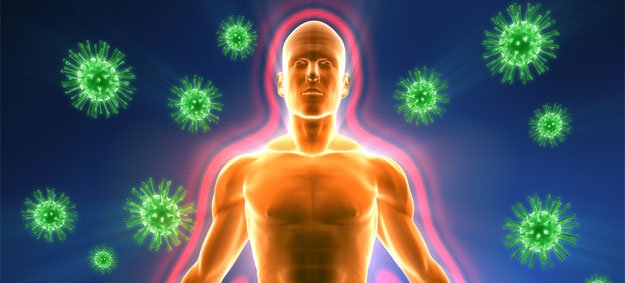
Your immune system protects your body against illness and infection. While no method guarantees perfect immunity, healthy habits can strengthen your body’s natural defenses.

Why Immunity Matters

Strong immunity can:

  • Reduce illness frequency
  • Improve recovery
  • Increase energy
  • Support long-term health

Step 1: Eat Nutritious Foods

Focus on:

  • Fruits
  • Vegetables
  • Lean protein
  • Whole grains

Ghanaian Examples

  • Kontomire
  • Garden eggs
  • Oranges
  • Mangoes
  • Beans

Step 2: Prioritize Sleep

Adults should aim for 7–9 hours nightly.

Step 3: Exercise Regularly

Moderate exercise supports immune function.

Step 4: Manage Stress

Chronic stress weakens immunity.

Helpful Methods

  • Prayer
  • Meditation
  • Walking
  • Deep breathing

Step 5: Stay Hydrated

Water supports many immune processes.

Step 6: Maintain Good Hygiene

Wash hands regularly and maintain cleanliness.

Ghanaian Context

Seasonal weather changes, crowded transportation systems, and workplace interactions make strong immunity particularly important.

Practical Tools

  • Water reminder apps
  • Nutrition trackers
  • Fitness trackers

FAQs

Can vitamins replace healthy habits?

No. Supplements should complement healthy lifestyles.

Does exercise improve immunity?

Yes, moderate exercise helps.

Conclusion

Strong immunity results from consistent healthy habits.

Call to Action

Start strengthening your immune system by improving one health habit today

How to Build Better Hydration Habits

Main Keyword Focus

Build better hydration habits

Learn how to develop healthy hydration habits that improve energy, digestion, focus, and overall wellness.

Introduction

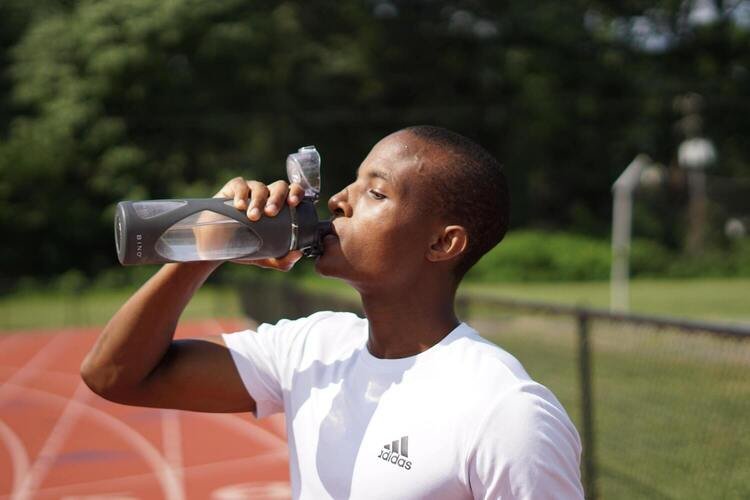
Water is essential for life. It supports digestion, circulation, temperature regulation, brain function, and overall health.

Despite its importance, many people do not drink enough water daily.

In Ghana’s warm climate, maintaining proper hydration is especially important.

Benefits of Staying Hydrated

Adequate hydration can:

  • Improve energy levels
  • Support digestion
  • Enhance concentration
  • Reduce headaches
  • Improve physical performance

Step 1: Start the Day With Water

Drink a glass of water shortly after waking up.

Step 2: Carry a Water Bottle

Keeping water nearby encourages regular drinking.

Step 3: Set Hydration Reminders

Use phone alerts or apps.

Step 4: Eat Water-Rich Foods

Examples:

  • Watermelon
  • Cucumbers
  • Oranges
  • Pineapples

Step 5: Replace Sugary Drinks

Choose:

  • Water
  • Coconut water
  • Herbal tea

Step 6: Monitor Hydration

Signs of adequate hydration include:

  • Light-colored urine
  • Consistent energy
  • Reduced thirst

Ghanaian Context

Hot weather, outdoor work, and physical activity increase water needs significantly.

Practical Tools

  • Water reminder apps
  • Reusable water bottles
  • Hydration trackers

FAQs

How much water should I drink daily?

Needs vary, but many adults benefit from approximately 2–3 liters daily.

Can coffee count toward hydration?

It contributes some fluids but should not replace water.

Conclusion

Hydration is one of the simplest ways to improve health and wellbeing.

Call to Action

Carry a reusable water bottle with you every day for the next week.

How to Improve Your Posture Naturally

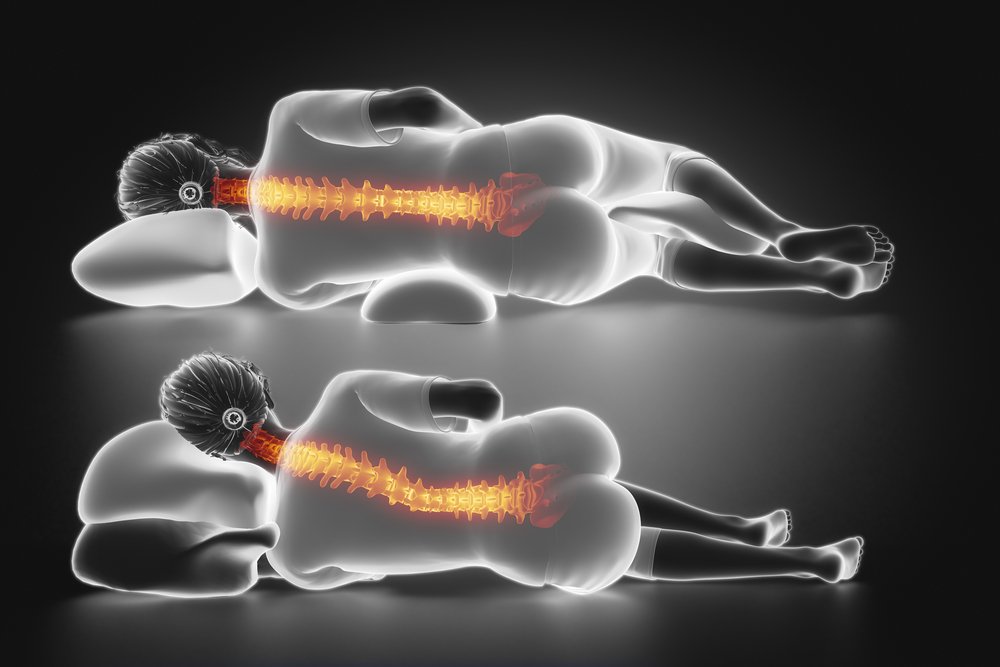
Female sleep posture comparison

Main Keyword Focus

Improve posture naturally

Learn how to improve posture naturally through exercise, stretching, workspace adjustments, and daily habits.

Introduction

Poor posture is becoming increasingly common because of long hours spent sitting, using smartphones, and working on computers.

Bad posture can contribute to:

  • Neck pain
  • Back pain
  • Headaches
  • Reduced mobility
  • Muscle tension

Fortunately, posture can improve through consistent habits and simple exercises.

Why Good Posture Matters

Good posture helps:

  • Reduce pain
  • Improve breathing
  • Increase confidence
  • Improve physical performance

Step 1: Become Aware of Your Posture

Notice how you sit, stand, and walk.

Questions to Ask

  • Are your shoulders slouched?
  • Is your head leaning forward?
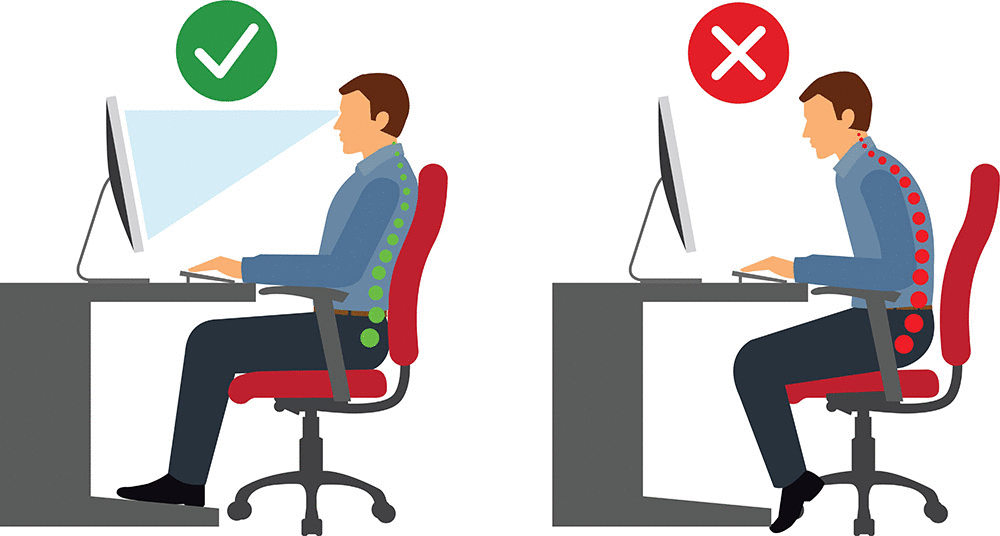
  • Are you sitting correctly?

Step 2: Strengthen Core Muscles

Strong core muscles support proper alignment.

Helpful Exercises

  • Planks
  • Bridges
  • Bird-dogs

Step 3: Stretch Regularly

Stretching improves flexibility and reduces tension.

Key Areas

  • Chest
  • Neck
  • Shoulders
  • Hip flexors

Step 4: Improve Your Workspace

Adjust:

  • Chair height
  • Screen position
  • Keyboard placement

Step 5: Reduce Phone Neck

Avoid looking down at phones constantly.

Better Habit

Hold devices closer to eye level.

Ghanaian Context

Many office workers, students, and drivers spend long periods sitting. Regular movement breaks are essential.

Practical Tools

  • Ergonomic chairs
  • Lumbar supports
  • Posture reminder apps

FAQs

Can posture improve at any age?

Yes. Consistent effort can improve posture significantly.

How long does improvement take?

Many people notice progress within a few weeks.

Conclusion

Improving posture naturally requires awareness, strengthening exercises, and healthy movement habits.

Call to Action

Practice one posture-improving exercise daily this week.