

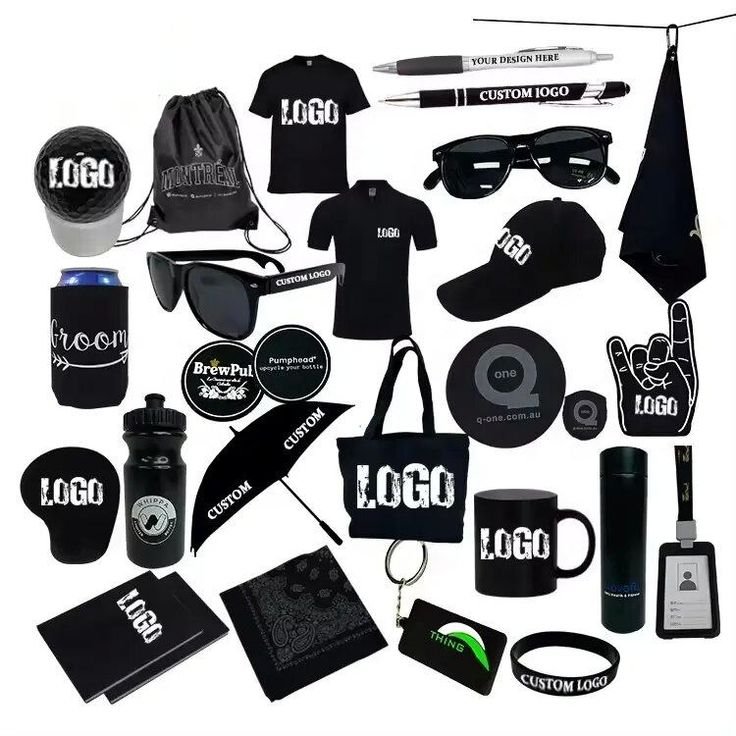
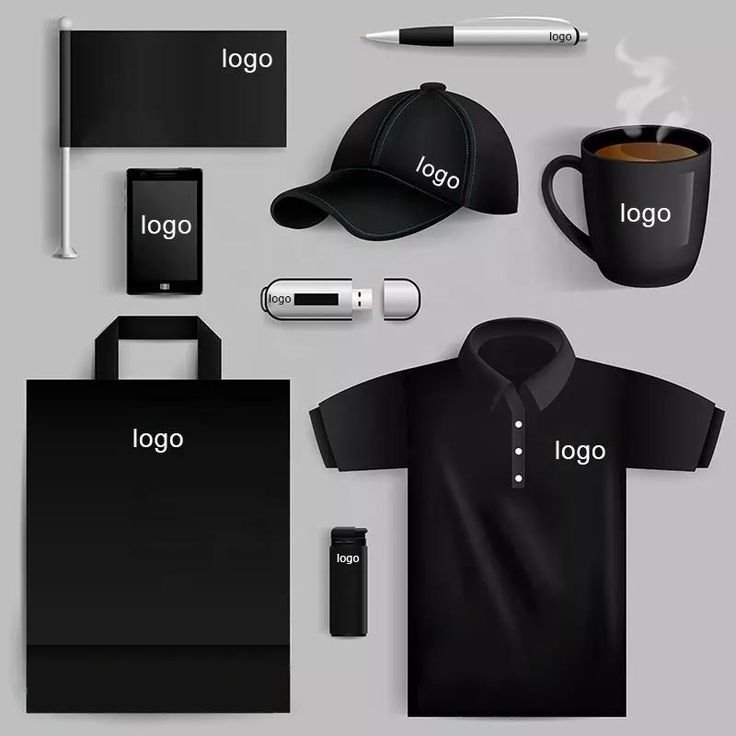
Brand identity is more than a logo, a color palette, or a slogan; it is the personality of your business. It’s how customers feel when they encounter your product or service, and it influences whether they trust you, remember you, recommend you, or ignore you. This article will walk you step-by-step through exactly how to build a brand identity that is memorable, meaningful, and commercially strong, even if you’re starting from scratch.
1. Understand What a Brand Really Is
Before you start designing logos or picking colors, you must understand that branding is not graphic design, it is a psychological relationship between the business and the market.
A brand is:
- The emotions people feel about your business
- The reputation your business holds
- The reason people choose you over someone else
- How people describe you when you’re not in the room
For example:
- Apple is perceived as creative, premium, and innovative.
- Nike represents empowerment and athletic excellence.
- Coca-Cola symbolizes happiness and tradition.
These companies didn’t just “design logos.”
They built identities.
2. Define Your Brand Purpose: Why Do You Exist?
Your brand must have a reason for being a deeper purpose that customers can connect with.
Ask yourself:
- What problem do we solve?
- Why does this business matter?
- What change do we want to make in people’s lives?
- What would be missing if we didn’t exist?
This becomes your brand mission.
Example mission statements:
- Google: Organize the world’s information and make it universally accessible.
- Tesla: Accelerate the world’s transition to sustainable energy.
- Your small business: Help young entrepreneurs start profitable businesses through practical knowledge.
A strong purpose gives your brand soul.
3. Identify Your Target Audience With Precision
You cannot be “for everyone.”
Strong brands are specific.
You need to define your ideal customers:
- Age
- Gender
- Location
- Interests and hobbies
- Income level
- Buying behaviors
- Psychological motives
- Pain points
For example, instead of saying:
My brand is for people who want to lose weight.
Be specific:
My brand is for busy adults aged 25–40 who want to lose weight through convenient, non-intimidating fitness solutions that fit into a tight schedule.
When you know exactly who you’re speaking to, your message becomes powerful.
4. Study Your Competition and Differentiate
Branding is also strategic positioning — where you place yourself relative to others.
Evaluate your competitors:
- What do they offer?
- How do they price?
- What do customers love about them?
- What do customers hate about them?
- What gaps exist?
Your goal is to identify opportunities to stand out.
Example:
If every coaching business uses serious, academic branding…
You could use a friendly, humorous tone.
If every clothing brand goes minimalistic…
You could go bold and artistic.
The aim is not to be slightly better,
but to be noticeably different.
5. Define Your Brand Personality and Voice
Think of your brand like a human personality.
Is your brand:
- Serious or playful?
- Formal or casual?
- Traditional or modern?
- Luxurious or affordable?
- Bold or calm?
- Minimal or expressive?
Your brand voice also matters:
- Are you motivational?
- Informative?
- Humorous?
- Inspirational?
- Technical?
- Emotional?
Example differences:
- Nike: motivational voice
- BMW: sophisticated, confident
- Wendy’s (Twitter): sarcastic and humorous
Your personality and voice should remain consistent across all messaging.
6. Develop Your Visual Identity
Now that the strategy is defined, you begin the visual phase.
a) Logo
Your logo is the signature of your brand, not the entirety of it.
It should be simple, recognizable, and adaptable.
b) Color palette
Colors carry emotional weight:
- Blue = trust, professionalism
- Red = energy, passion
- Green = growth, freshness
- Black = luxury, authority
- Yellow = optimism, friendliness
Pick 2–4 core colors and use them consistently.
c) Typography (fonts)
Fonts also communicate character:
- Serif fonts = traditional, reliable
- Sans-serif = modern, clean
- Script fonts = elegant
- Bold fonts = confident
d) Imagery style
Define whether your brand uses:
- Real photography
- Illustrations
- Abstract visuals
- Lifestyle images
- Product-focused images
These visual elements should remain cohesive everywhere your brand appears.
7. Craft a Memorable Tagline or Slogan
A great brand slogan is:
- Short
- Powerful
- Emotional
- Clear
Examples:
- “Think Different.” (Apple)
- “Just Do It.” (Nike)
- “Open Happiness.” (Coca-Cola)
Your slogan is not required, but if done well, it adds memorability.
8. Write Your Brand Story
People connect with stories, not corporations.
Your brand story should include:
- The origin
- The motivation
- The problem you wanted to solve
- The journey
- The vision for the future
Example:
I started this business after realizing that many young people with great ideas fail because they lack practical guidance. My mission is to provide accessible business knowledge that empowers everyday entrepreneurs.
A great story humanizes your brand.
9. Apply Branding Consistently Across All Touchpoints
Your brand identity must show up everywhere:
- Website
- About page
- WhatsApp Business
- Packaging
- Business cards
- Customer support
- Emails
- Product descriptions
- Ads
- Sales conversations
Brand consistency builds recognition.
If your tone is friendly on social media but formal on your website, customers become confused.
Branding is repetition.
10. Align Brand Behavior With Brand Identity
This is the part most brands fail at.
Your actions must reflect your promise.
Example:
- If your brand is about sustainability — you must actually use eco-friendly materials.
- If your brand promises customer care — your support must be responsive and empathetic.
- If your brand stands for affordability — your pricing must be accessible.
Branding is not what you say about yourself
It’s what your customers experience.
11. Collect Feedback and Refine
Your brand will evolve as your business grows.
Gather:
- Customer feedback
- Online reviews
- Market reactions
- Engagement data
- Sales patterns
You may discover:
- Your message attracts the wrong demographic
- Your logo is too generic
- Your slogan doesn’t land
- Your tone is off
Refine but stay consistent with your core identity.
12. Protect Your Brand Legally
As your brand gains recognition, trademarking matters.
You may need to:
- Register your business name
- Trademark your logo
- Protect your slogan
- Secure your domain
- Claim your social media handles
Securing your brand prevents future disputes and ensures ownership.
Final Thoughts
A powerful brand identity is not developed in a day, it is built through strategic thinking, emotional connection, visual clarity, and consistent execution. When done right, branding transforms your business into something people trust, love, and remember.
Branding is not about looking pretty.
It’s about becoming meaningful in the marketplace.