Self-discipline for healthy living. Learn how to build self-discipline for healthy living through practical habits, mindset shifts, and daily routines that support long-term wellness.
Introduction
Many people know what they should do to improve their health. They know they should exercise regularly, eat healthier foods, sleep adequately, and reduce stress. However, knowledge alone is not enough. The difference between those who achieve lasting health goals and those who struggle often comes down to self-discipline.
Self-discipline is the ability to make decisions based on long-term benefits rather than short-term comfort. It helps you stay committed to healthy habits even when motivation disappears.
In Ghana, busy work schedules, family obligations, social gatherings, and increasing access to unhealthy foods can make healthy living challenging. Developing self-discipline allows you to stay focused on your wellness goals regardless of external circumstances.
Why Self-Discipline Matters
Self-discipline helps you:
Exercise consistently
Eat healthier foods
Maintain healthy sleep habits
Manage stress effectively
Achieve long-term wellness goals
Step 1: Set Clear Health Goals
Vague goals often fail.
Instead of saying: “I want to get healthy.”
Say: “I will walk for 30 minutes five times weekly.”
Step 2: Start Small
Many people fail because they attempt drastic changes.
Examples:
Drink one extra glass of water daily
Walk 15 minutes daily
Eat vegetables with one meal daily
Step 3: Create Healthy Routines
Habits reduce the need for willpower.
Examples
Exercise after work
Drink water after waking up
Sleep at the same time daily
Step 4: Remove Temptations
Your environment affects your behavior.
Practical Tips
Avoid stocking excessive junk food
Reduce social media distractions
Keep healthy snacks available
Ghanaian Context
Many social events involve large portions of food and sugary drinks. Self-discipline helps you enjoy these occasions while maintaining balance.
Step 5: Track Progress
Monitor:
Exercise sessions
Water intake
Sleep quality
Healthy meals consumed
Helpful Tools
Habit Tracker
Google Calendar
Notion
Journal notebooks
FAQs
Can self-discipline be learned?
Yes. It improves through consistent practice.
What if I miss a day?
Resume immediately. Avoid giving up completely.
Conclusion
Self-discipline is one of the most valuable skills for long-term health and wellness.
Call to Action
Choose one healthy habit and commit to it for the next 30 days.
Staying physically active is essential for maintaining good health, improving energy levels, reducing stress, and supporting long-term wellness. However, many people believe they need expensive gym memberships or advanced equipment before they can start exercising.
The truth is that home workouts can be highly effective when done consistently.
In Ghana, many people struggle to maintain exercise routines because of traffic, demanding work schedules, financial limitations, or limited gym access. Home workouts provide a flexible and affordable solution for beginners who want to improve their fitness.
This guide explains how to build a practical and sustainable home workout routine that supports long-term results.
Benefits of Home Workouts
Home workouts offer several advantages.
Key Benefits
Saves money
Saves commuting time
Flexible scheduling
Comfortable environment
Beginner-friendly
Easy consistency
Step 1: Define Your Fitness Goals
Your workout routine should match your goals.
Common Fitness Goals
Weight loss
Muscle building
Improved stamina
Better flexibility
General health improvement
Clear goals help maintain motivation.
Step 2: Create a Weekly Workout Schedule
Consistency is more important than intensity for beginners.
Sample Beginner Schedule
Monday: Full-body workout Tuesday: Walking and stretching Wednesday: Cardio workout Thursday: Rest or light activity Friday: Strength exercises Saturday: Core exercises Sunday: Recovery and stretching
Step 3: Start With Basic Exercises
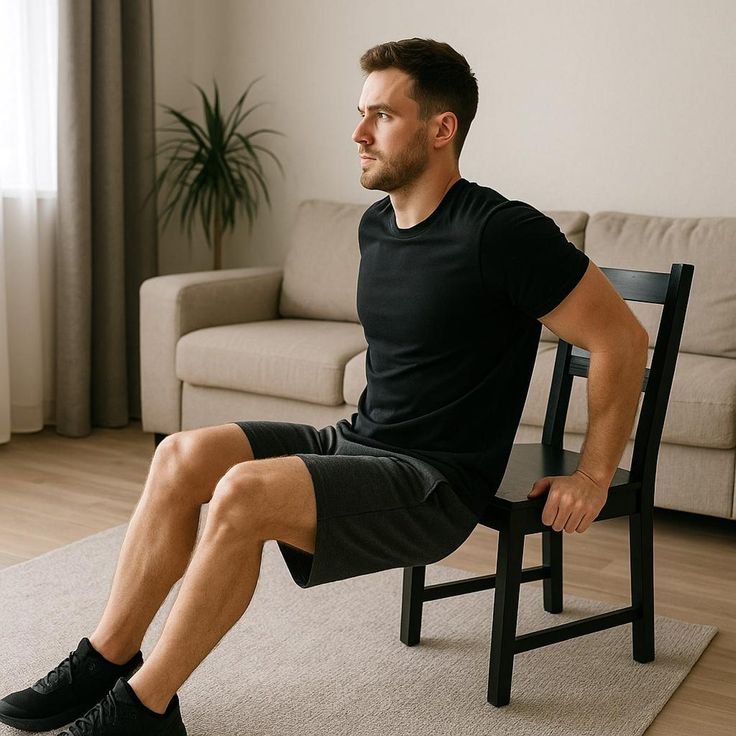
Beginners should focus on simple bodyweight exercises.
Recommended Beginner Exercises
Squats
Push-ups
Lunges
Planks
Jumping jacks
Mountain climbers
These exercises improve strength and endurance without requiring equipment.
Step 4: Focus on Proper Form
Good form reduces injury risk and improves workout effectiveness.
Tips for Proper Form
Move slowly
Avoid rushing repetitions
Watch instructional videos
Maintain controlled breathing
Step 5: Use Progressive Overload
As your fitness improves, gradually increase workout difficulty.
Ways to Progress
Increase repetitions
Add more sets
Reduce rest time
Use resistance bands
Increase workout duration
Step 6: Prioritize Recovery
Recovery is essential for muscle repair and long-term consistency.
Recovery Tips
Sleep properly
Stretch regularly
Stay hydrated
Eat nutritious meals
Avoid overtraining
Ghanaian Context
Many people in Ghana use limited home space for workouts because gym memberships may be expensive. Bodyweight training, walking, and outdoor exercise are practical and affordable fitness solutions.
Even simple routines performed consistently can improve physical health significantly.
Step 7: Stay Motivated
Motivation may fluctuate, so building discipline is important.
Motivation Strategies
Track progress
Set realistic goals
Celebrate small wins
Exercise with friends
Follow fitness communities online
Practical Tools and Resources
Helpful Apps
Nike Training Club
Google Fit
Home Workout Apps
Step trackers
Helpful Equipment
Resistance bands
Skipping rope
Exercise mat
Dumbbells
Common Beginner Mistakes
Mistakes to Avoid
Doing too much too soon
Ignoring recovery
Comparing yourself to others
Skipping warm-ups
Inconsistent routines
Frequently Asked Questions
Can I get fit without a gym?
Yes. Home workouts can improve strength, endurance, and overall fitness.
How long should workouts last?
Most beginner workouts can last between 20 and 60 minutes.
How often should beginners exercise?
Three to five sessions weekly are usually effective.
Do home workouts build muscle?
Yes. Progressive overload and consistency support muscle growth.
Conclusion
A successful home workout routine should be realistic, sustainable, and consistent.
You do not need expensive equipment or advanced techniques to improve your health. Small, consistent efforts can produce major long-term results.
Call to Action
Start your fitness journey today by completing your first 20-minute home workout session and committing to regular weekly exercise.
In today’s competitive business world, a strong personal brand can set you apart from competitors. Your personal brand is how people perceive you, your expertise, and the value you provide. A well-crafted personal brand can attract clients, opportunities, and partnerships.
In this article, we’ll explore how entrepreneurs can build a personal brand effectively, step by step.
Why Personal Branding Matters
Your personal brand establishes credibility, trust, and recognition. People are more likely to do business with someone they know, like, and trust.
Benefits include:
Greater visibility and recognition in your niche
More client inquiries and collaborations
Authority and influence in your industry
Increased opportunities for monetization
Mini-Story: Emma, a digital marketing consultant, built her personal brand by sharing daily tips on LinkedIn. Within months, she attracted clients and speaking opportunities without spending on advertising.
Step 1: Define Your Brand Identity
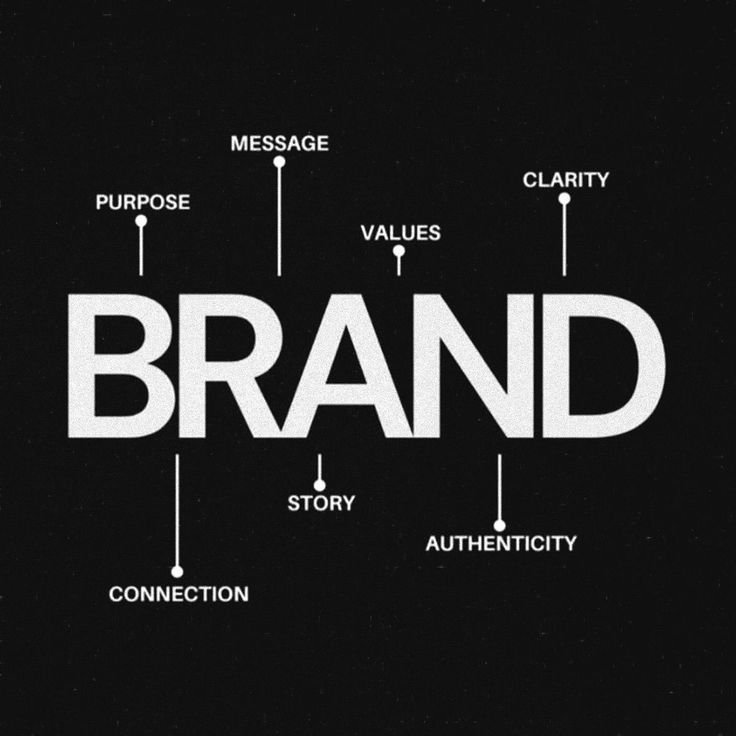
A strong personal brand starts with clarity about who you are and what you represent.
Key elements:
Values: What principles guide your work and decisions?
Expertise: What are you known for?
Personality: How do you communicate and engage with people?
Vision: What do you want to achieve and be remembered for?
Mini-Story: Alex, a freelance graphic designer, defined his brand around “modern, minimalistic designs for small businesses.” This clear identity attracted clients seeking exactly that style.
Step 2: Identify Your Target Audience
Knowing who you want to reach ensures your content resonates with the right people.
Questions to ask:
Who benefits most from my expertise?
What challenges or pain points do they have?
Where do they spend their time online or offline?
Example: If you are a health coach targeting busy professionals, your content should focus on quick, effective wellness strategies and post on platforms they use, like LinkedIn or Instagram.
Step 3: Create Consistent Content
Content is the backbone of personal branding. Sharing valuable, relevant content positions you as an expert.
Tips for content creation:
Post regularly on social media and blogs
Use multiple formats: text, video, images, reels
Share personal stories, lessons, and insights
Provide actionable tips that help your audience
Mini-Story: Rachel, a career coach, posted weekly videos on job interview tips. Her content attracted followers, led to consultations, and eventually online course sales.
Step 4: Optimize Online Presence
Your online presence reflects your personal brand. Ensure consistency and professionalism across platforms.
Steps:
Maintain a professional profile photo and bio
Use the same name, logo, and color scheme across channels
Highlight achievements, client testimonials, and portfolio
Ensure website or blog is user-friendly and SEO optimized
Example: A freelance photographer showcased a portfolio website linked to Instagram and LinkedIn. Clients appreciated the cohesive presentation, leading to more bookings.
Step 5: Network and Collaborate
Networking builds credibility and expands your reach. Collaborations can amplify your brand quickly.
Tips:
Attend industry events, workshops, and online forums
Partner with other entrepreneurs or influencers
Offer guest posts, webinars, or live sessions
Engage meaningfully on social media
Mini-Story: Sophia, a wellness coach, collaborated with a nutrition blogger on a joint webinar. Both audiences were exposed to new content, increasing followers and client inquiries.
Step 6: Share Your Story
People connect with authentic stories more than facts or promotions. Sharing your journey, challenges, and successes builds relatability.
Tips:
Be honest about challenges and lessons learned
Highlight turning points and achievements
Use storytelling in blogs, videos, or social media posts
Mini-Story: David, an entrepreneur, shared how he started a small e-commerce store in his garage. His transparency inspired others and attracted clients who resonated with his story.
Step 7: Collect Testimonials and Proof
Social proof strengthens your personal brand. Positive reviews and testimonials showcase credibility and results.
How to collect proof:
Ask satisfied clients for feedback
Display testimonials on your website and social media
Highlight case studies or successful projects
Mini-Story: Lina, a personal trainer, showcased before-and-after client photos with permission. Prospective clients were more likely to sign up seeing real results.
Step 8: Be Consistent and Patient
Building a personal brand is a long-term investment. Consistency and patience are key.
Tips:
Post regularly and maintain engagement
Align all communications with your brand voice
Track progress and adjust strategies if needed
Mini-Story: Alex consistently posted content over a year. Slowly, he became recognized as an authority in his niche, resulting in collaborations, paid speaking events, and client growth.
Step 9: Engage With Your Audience
A personal brand thrives on interaction and community. Responding to questions, comments, and messages strengthens trust and loyalty.
Tips:
Reply promptly and thoughtfully to messages
Ask for feedback or opinions
Share user-generated content to highlight your audience
Mini-Story: Emma regularly engaged with her followers’ comments and messages on Instagram. People felt valued, which increased loyalty and referrals.
Step 10: Adapt and Evolve
Your brand should grow with you and the market. Adapt to trends, feedback, and opportunities while staying true to your core values.
Tips:
Review analytics to see what content resonates
Experiment with new formats or topics
Learn new skills to enhance your expertise
Mini-Story: Rachel started as a career coach posting LinkedIn tips but later expanded to resume design services based on client feedback, growing her business.
Final Motivation
A strong personal brand can transform your entrepreneurial journey, attract clients, and create opportunities. Focus on:
Defining your brand identity
Knowing your audience
Creating consistent content
Engaging authentically
Building credibility through proof and networking
Action Step: Write down three core values and one story that represents your journey. Begin sharing content online this week to start building your personal brand.