


How to Build Better Hydration Habits

Main Keyword Focus

Build better hydration habits

Learn how to develop healthy hydration habits that improve energy, digestion, focus, and overall wellness.

Introduction

Water is essential for life. It supports digestion, circulation, temperature regulation, brain function, and overall health.

Despite its importance, many people do not drink enough water daily.

In Ghana’s warm climate, maintaining proper hydration is especially important.

Benefits of Staying Hydrated

Adequate hydration can:

  • Improve energy levels
  • Support digestion
  • Enhance concentration
  • Reduce headaches
  • Improve physical performance

Step 1: Start the Day With Water

Drink a glass of water shortly after waking up.

Step 2: Carry a Water Bottle

Keeping water nearby encourages regular drinking.

Step 3: Set Hydration Reminders

Use phone alerts or apps.

Step 4: Eat Water-Rich Foods

Examples:

  • Watermelon
  • Cucumbers
  • Oranges
  • Pineapples

Step 5: Replace Sugary Drinks

Choose:

  • Water
  • Coconut water
  • Herbal tea

Step 6: Monitor Hydration

Signs of adequate hydration include:

  • Light-colored urine
  • Consistent energy
  • Reduced thirst

Ghanaian Context

Hot weather, outdoor work, and physical activity increase water needs significantly.

Practical Tools

  • Water reminder apps
  • Reusable water bottles
  • Hydration trackers

FAQs

How much water should I drink daily?

Needs vary, but many adults benefit from approximately 2–3 liters daily.

Can coffee count toward hydration?

It contributes some fluids but should not replace water.

Conclusion

Hydration is one of the simplest ways to improve health and wellbeing.

Call to Action

Carry a reusable water bottle with you every day for the next week.
How to Improve Your Posture Naturally

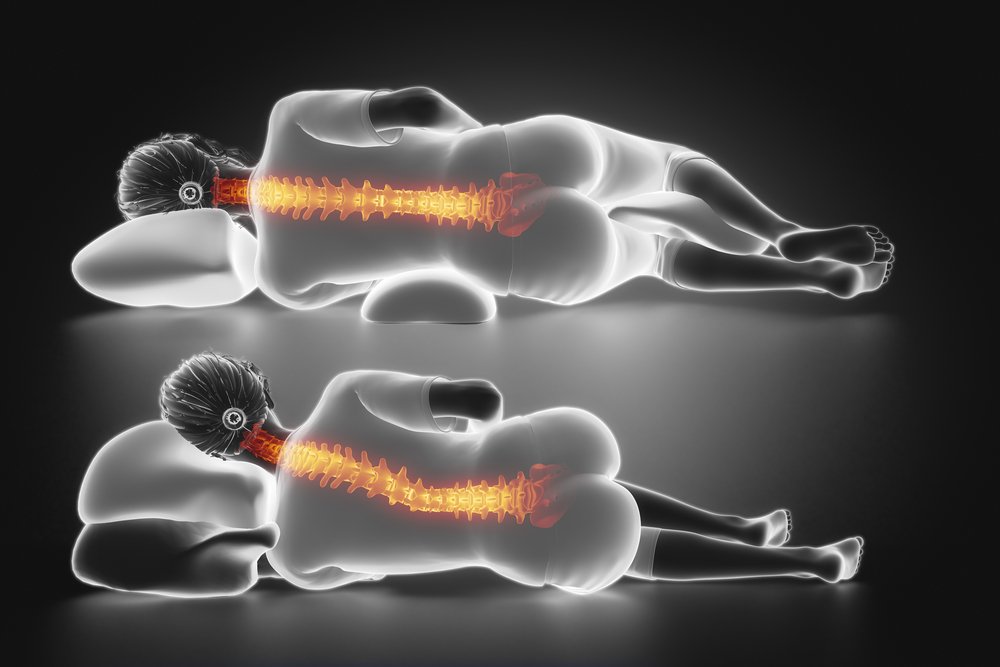
Female sleep posture comparison

Main Keyword Focus

Improve posture naturally

Learn how to improve posture naturally through exercise, stretching, workspace adjustments, and daily habits.

Introduction

Poor posture is becoming increasingly common because of long hours spent sitting, using smartphones, and working on computers.

Bad posture can contribute to:

  • Neck pain
  • Back pain
  • Headaches
  • Reduced mobility
  • Muscle tension

Fortunately, posture can improve through consistent habits and simple exercises.

Why Good Posture Matters

Good posture helps:

  • Reduce pain
  • Improve breathing
  • Increase confidence
  • Improve physical performance

Step 1: Become Aware of Your Posture

Notice how you sit, stand, and walk.

Questions to Ask

  • Are your shoulders slouched?
  • Is your head leaning forward?
  • Are you sitting correctly?

Step 2: Strengthen Core Muscles

Strong core muscles support proper alignment.

Helpful Exercises

  • Planks
  • Bridges
  • Bird-dogs

Step 3: Stretch Regularly

Stretching improves flexibility and reduces tension.

Key Areas

  • Chest
  • Neck
  • Shoulders
  • Hip flexors

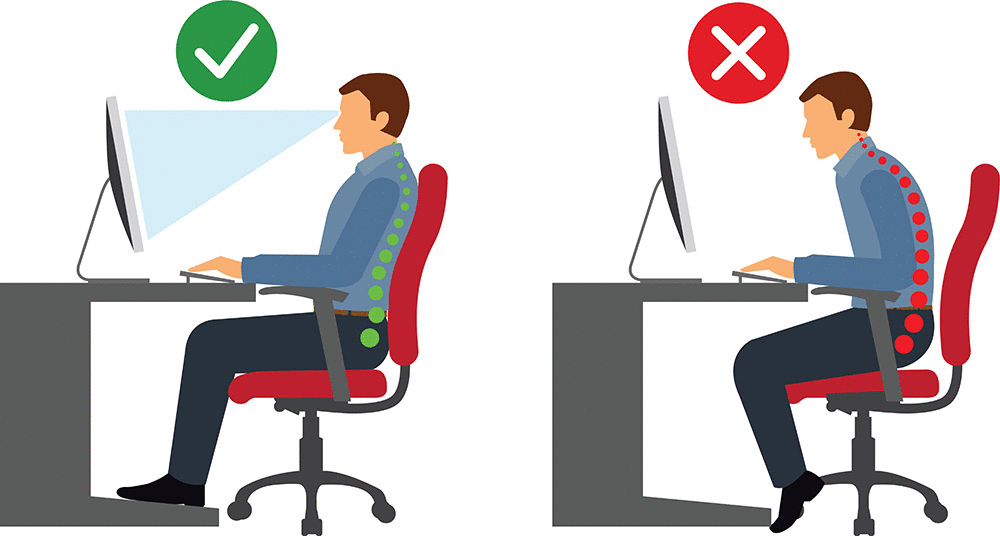
Step 4: Improve Your Workspace

Adjust:

  • Chair height
  • Screen position
  • Keyboard placement

Step 5: Reduce Phone Neck

Avoid looking down at phones constantly.

Better Habit

Hold devices closer to eye level.

Ghanaian Context

Many office workers, students, and drivers spend long periods sitting. Regular movement breaks are essential.

Practical Tools

  • Ergonomic chairs
  • Lumbar supports
  • Posture reminder apps

FAQs

Can posture improve at any age?

Yes. Consistent effort can improve posture significantly.

How long does improvement take?

Many people notice progress within a few weeks.

Conclusion

Improving posture naturally requires awareness, strengthening exercises, and healthy movement habits.

Call to Action

Practice one posture-improving exercise daily this week.

Best Exercises for Beginners at Home

Introduction

Starting a fitness journey can feel intimidating. Many beginners worry about equipment, gym memberships, or advanced workouts.

Fortunately, effective exercises can be performed at home using only body weight.

Benefits of Home Exercise

  • Convenient
  • Affordable
  • Flexible
  • Beginner-friendly

Exercise 1: Squats

Benefits:

  • Strengthen legs
  • Improve mobility
  • Build lower body strength

Exercise 2: Push-Ups

Benefits:

  • Strengthen chest
  • Build arm strength
  • Improve core stability

Beginner Option

Perform knee push-ups initially.

Exercise 3: Lunges

Benefits:

  • Improve balance
  • Strengthen legs
  • Increase stability

Exercise 4: Planks

Benefits:

  • Strengthen core
  • Improve posture
  • Increase stability

Exercise 5: Jumping Jacks

Benefits:

  • Increase heart rate
  • Improve endurance
  • Burn calories

Sample Beginner Routine

Round 1

  • 10 Squats
  • 5 Push-Ups
  • 10 Lunges
  • 20-Second Plank
  • 20 Jumping Jacks

Repeat 3 times.

Ghanaian Context

Limited space should not prevent fitness. Many people successfully exercise in living rooms, compounds, and community spaces.

Practical Tools

  • Exercise mat
  • Resistance bands
  • Fitness apps
  • Water bottle

FAQs

How often should beginners exercise?

3–5 times weekly.

Do I need equipment?

No. Bodyweight exercises are effective.

Conclusion

Simple exercises performed consistently produce significant long-term health benefits.

Call to Action

Complete your first beginner workout today and track your progress weekly.

HOW TO LOSE WEIGHT NATURALLY AND SAFELY

Main Keyword Focus

Lose weight naturally

Introduction

Many people want to lose weight quickly, but extreme dieting and unhealthy shortcuts often create temporary results instead of long-term success.

Healthy weight loss should focus on sustainable habits rather than dangerous restrictions.

In Ghana, urban lifestyles, increased fast-food consumption, sugary drinks, and reduced physical activity have contributed to rising obesity and lifestyle-related health problems.

Natural weight loss involves improving eating habits, increasing physical activity, improving sleep, and building consistent healthy routines.

This guide explains safe and sustainable strategies for natural weight loss.

Why Healthy Weight Loss Matters

Maintaining a healthy weight may:

  • Improve energy levels
  • Reduce health risks
  • Improve confidence
  • Support heart health
  • Improve mobility
  • Reduce fatigue

Step 1: Improve Your Eating Habits

Nutrition plays a major role in weight management.

Better Nutrition Habits

  • Eat more vegetables
  • Reduce sugary drinks
  • Limit excessive fried foods
  • Eat balanced meals
  • Avoid overeating

Step 2: Increase Physical Activity

Exercise helps burn calories while improving fitness.

Helpful Exercises

  • Walking
  • Jogging
  • Home workouts
  • Dancing
  • Cycling

Ghanaian Context

Traffic congestion and sedentary office jobs reduce daily movement for many people in Accra and Kumasi. Intentional physical activity becomes increasingly important.

Step 3: Improve Sleep Quality

Poor sleep affects hormones related to hunger and cravings.

Better Sleep Habits

  • Sleep consistently
  • Reduce nighttime screen time
  • Avoid heavy late meals

Step 4: Reduce Sugary Drinks

Sugary beverages often contain excessive calories.

Better Alternatives

  • Water
  • Coconut water
  • Unsweetened tea
  • Fresh fruit-infused water

Step 5: Track Progress Realistically

Healthy weight loss takes time.

Better Progress Tracking

  • Take body measurements
  • Track energy improvements
  • Monitor consistency instead of perfection

Step 6: Avoid Crash Diets

Extreme diets are difficult to maintain and may harm health.

Better Approach

Focus on long-term lifestyle improvements.

Practical Tools and Resources

Helpful Apps

  • MyFitnessPal
  • Google Fit
  • Step trackers

Helpful Equipment

  • Exercise mats
  • Resistance bands
  • Skipping ropes

Common Weight Loss Mistakes

Mistakes to Avoid

  • Skipping meals excessively
  • Following unrealistic diets
  • Ignoring sleep
  • Expecting instant results

Frequently Asked Questions

How fast should healthy weight loss happen?

Gradual and consistent weight loss is usually healthier.

Is walking effective for weight loss?

Yes. Walking consistently supports fat loss and fitness.

Are crash diets safe?

Most extreme diets are difficult to sustain and may affect health negatively.

Conclusion

Natural weight loss requires patience, consistency, and healthy daily habits.

Sustainable lifestyle improvements create better long-term results than temporary extreme methods.

Call to Action

Start your healthy weight-loss journey today by making one realistic nutrition or exercise improvement.