


Top 10 Mistakes to Avoid as a New Entrepreneur”

Starting a business is exciting, but many new entrepreneurs make preventable mistakes that slow growth or even lead to failure. The good news is that by learning from others’ experiences, you can avoid these pitfalls and stay on the path to success.

In this article, we’ll explore 10 common mistakes new entrepreneurs make and practical tips to avoid them.


Mistake 1: Starting Without a Clear Plan

Many entrepreneurs dive into business without a roadmap. While enthusiasm is important, a lack of planning leads to wasted time, money, and effort.

Tips to avoid:

  • Create a simple business plan outlining goals, target audience, and marketing strategies
  • Set realistic short-term and long-term objectives
  • Review and adjust your plan regularly

Mini-Story:
Linda started an online store selling handmade jewelry without a clear plan. After six months, she realized she wasn’t reaching her target audience. Once she created a detailed plan, she doubled her sales within three months.


Mistake 2: Ignoring Market Research

Skipping market research is a common error. Understanding your customers, competitors, and trends is essential.

Tips to avoid:

  • Study competitors and identify gaps in the market
  • Conduct surveys or interviews with potential customers
  • Observe online communities and social media discussions

Mini-Story:
A local smoothie bar opened without checking competitors. They struggled for months until they realized people preferred organic ingredients. After adjusting their menu, sales increased significantly.


Mistake 3: Underpricing Products or Services

Many new entrepreneurs undercharge due to fear of losing clients or thinking low prices attract more buyers.

Tips to avoid:

  • Calculate costs and include a fair profit margin
  • Consider the value you provide, not just your expenses
  • Don’t be afraid to raise prices as your brand grows

Mini-Story:
James, a freelance designer, initially charged very low rates. Clients questioned the quality of his work. After adjusting his prices to reflect his skills and expertise, he gained more respect and higher-paying clients.


Mistake 4: Trying to Do Everything Alone

Entrepreneurs often attempt to handle all tasks themselves, leading to burnout and inefficiency.

Tips to avoid:

  • Delegate tasks where possible, even if it’s outsourcing
  • Focus on your strengths and hire for areas where you lack expertise
  • Use automation tools for repetitive tasks

Mini-Story:
Emma managed her online bakery alone, from baking to social media. She burned out quickly. Once she hired help for deliveries and social media scheduling, her business grew faster.


Mistake 5: Neglecting Marketing

A great product or service isn’t enough if nobody knows about it. Marketing is essential for attracting customers.

Tips to avoid:

  • Start marketing before launching
  • Leverage free or low-cost channels like social media, email, and networking
  • Track which marketing strategies work and adjust accordingly

Mini-Story:
A new fitness studio opened without any promotion. After two months with minimal clients, they launched social media campaigns and free trial classes, which quickly boosted membership.


Mistake 6: Ignoring Cash Flow Management

Even profitable businesses fail when cash flow is mismanaged. Not tracking money coming in and out can lead to missed payments or lack of resources.

Tips to avoid:

  • Keep separate accounts for personal and business finances
  • Track income and expenses daily or weekly
  • Maintain a small emergency fund

Mini-Story:
A small tech startup made great sales but failed to track cash flow. They couldn’t pay suppliers on time. Once they implemented proper tracking, the business stabilized and grew steadily.


Mistake 7: Avoiding Technology and Tools

Some entrepreneurs resist using digital tools for operations, marketing, and communication.

Tips to avoid:

  • Use project management apps like Trello or Asana
  • Automate emails, social media, or invoicing where possible
  • Stay updated on tools that improve efficiency

Mini-Story:
Alex, a freelance writer, manually managed clients and deadlines. After using automation and management tools, he doubled productivity and client satisfaction.


Mistake 8: Focusing Only on Short-Term Goals

Many new entrepreneurs aim for quick wins, neglecting long-term growth.

Tips to avoid:

  • Balance short-term revenue goals with long-term brand development
  • Invest in learning, skills, and building a loyal audience
  • Reinvest profits strategically

Mini-Story:
Maya opened a small café aiming for immediate sales. She ignored building a brand and online presence. By gradually focusing on long-term marketing, loyalty programs, and brand identity, she achieved sustainable growth.


Mistake 9: Fear of Failure

Fear of failure can paralyze decisions, preventing action and progress.

Tips to avoid:

  • View failures as lessons, not setbacks
  • Start small and test ideas before fully investing
  • Surround yourself with supportive people

Mini-Story:
David wanted to launch an e-commerce store but hesitated for months. He started with one product line as a trial. Feedback helped him refine his strategy, and the business eventually expanded successfully.


Mistake 10: Neglecting Customer Feedback

Ignoring customer feedback can harm growth. Successful businesses listen, learn, and adapt.

Tips to avoid:

  • Ask for reviews and testimonials
  • Conduct surveys to understand customer needs
  • Adjust products, services, or processes based on feedback

Mini-Story:
A small online clothing store ignored complaints about sizing. After listening to customers and updating their sizing charts, returns decreased, and satisfaction increased, boosting sales and loyalty.


Bonus Tips for Avoiding Mistakes

  1. Plan ahead: Even a simple plan reduces mistakes.
  2. Track performance: Use metrics to identify problems early.
  3. Stay adaptable: Don’t fear changes or adjustments.
  4. Invest in learning: Courses, books, and mentorship prevent common errors.
  5. Celebrate small wins: Progress builds confidence and motivation.

Final Motivation

Mistakes are part of the entrepreneurial journey, but many can be avoided with awareness and preparation.

Focus on:

  • Planning and research
  • Proper pricing and marketing
  • Cash flow management
  • Embracing technology
  • Listening to customers

Action Step: Review this list and identify which mistakes you’re at risk of making. Implement at least three preventive measures today to stay on the path to business success.

The Role of Innovation in Business Success

Innovation is often considered the key differentiator between thriving businesses and those that stagnate. In today’s fast-paced world, customer expectations and market trends change rapidly. Businesses that fail to innovate risk losing relevance, while those that embrace creativity and new ideas can achieve sustainable growth.

In this article, we’ll explore why innovation matters, examples of business innovation, and strategies to implement it effectively.


Why Innovation is Essential

Innovation goes beyond developing new products; it impacts processes, customer experiences, marketing strategies, and business models.

Benefits of innovation:

  • Differentiates your brand from competitors
  • Attracts and retains customers
  • Increases efficiency and reduces costs
  • Opens new revenue streams
  • Enhances business reputation and credibility

Mini-Story:
Sophia, a small handmade jewelry business owner, introduced customizable designs online. This innovative approach attracted more customers and set her apart from competitors who only offered standard designs.


Step 1: Understand Your Market

Innovation begins with understanding customer needs, preferences, and pain points.

Tips:

  • Conduct surveys, interviews, or polls
  • Study competitors to identify gaps
  • Track emerging trends in your industry

Mini-Story:
Emma, an organic skincare entrepreneur, noticed a growing trend of eco-conscious packaging. By switching to biodegradable containers, she attracted a broader audience and increased sales.


Step 2: Foster a Culture of Creativity

Innovation thrives in businesses that encourage creativity and experimentation.

Tips:

  • Encourage team members to share ideas freely
  • Reward creative solutions and risk-taking
  • Hold brainstorming sessions regularly
  • Avoid punishing mistakes; treat them as learning opportunities

Mini-Story:
A small café encouraged staff to propose new seasonal drinks. One idea became a bestseller, increasing revenue during off-peak months.


Step 3: Innovate Products and Services

Product and service innovation directly impacts customer satisfaction and business growth.

Approaches:

  • Introduce new features or variants
  • Improve quality or design
  • Bundle complementary products or services
  • Personalize offerings based on customer preferences

Mini-Story:
Liam, a tech entrepreneur, developed a mobile app that allowed users to schedule appointments online. This innovation simplified booking for clients and attracted more users.


Step 4: Innovate Marketing Strategies

Marketing innovation can help businesses reach new audiences and increase engagement.

Examples:

  • Utilize social media trends creatively
  • Run interactive campaigns or contests
  • Collaborate with influencers or other brands
  • Create viral content or engaging stories

Mini-Story:
Rachel, a small clothing brand owner, used Instagram reels to showcase styling tips. The campaign went viral locally, increasing both online and in-store sales.


Step 5: Streamline Business Processes

Process innovation improves efficiency, reduces costs, and enhances customer satisfaction.

Tips:

  • Automate repetitive tasks with software tools
  • Simplify supply chain management
  • Improve communication and workflow
  • Optimize inventory or service delivery processes

Mini-Story:
Emma, a bakery owner, implemented an online ordering system that reduced manual errors and shortened delivery times, delighting customers and increasing orders.


Step 6: Embrace Technology

Technology enables innovation in products, processes, and marketing.

Tips:

  • Use apps and software to automate or enhance operations
  • Adopt new tools for customer engagement
  • Explore AI, analytics, or virtual platforms for business improvement

Mini-Story:
Sophia used AI-powered analytics to track customer preferences and recommended personalized jewelry options, leading to higher conversion rates.


Step 7: Monitor Competitors

Studying competitors can inspire innovation and highlight opportunities for differentiation.

Tips:

  • Analyze competitor products, services, and marketing
  • Identify areas where you can outperform them
  • Look for gaps or unmet customer needs

Mini-Story:
A local fitness center noticed competitors didn’t offer online classes. By launching virtual training sessions, they attracted clients who preferred working out at home.


Step 8: Collaborate for Innovation

Collaboration with partners, suppliers, or other entrepreneurs can spark creative ideas.

Tips:

  • Seek input from mentors or industry experts
  • Partner with complementary businesses for joint projects
  • Participate in innovation-focused communities or events

Mini-Story:
Liam collaborated with a nutrition coach to develop a wellness app. The partnership combined expertise, creating a product neither could have developed alone.


Step 9: Test and Refine

Innovation requires experimentation. Testing new ideas and refining them ensures effectiveness.

Tips:

  • Pilot new products, services, or processes with a small audience
  • Gather feedback and iterate improvements
  • Scale successful innovations gradually

Mini-Story:
Rachel tested a new eco-friendly fabric for her clothing line with a small group of customers. Based on feedback, she adjusted the design and launched a full collection that was well-received.


Step 10: Celebrate and Promote Innovation

Recognizing innovation motivates your team and builds your brand reputation.

Tips:

  • Highlight innovative achievements publicly
  • Share success stories with customers and partners
  • Reward team members for creative contributions

Mini-Story:
Sophia shared her custom jewelry innovation story on Instagram, gaining local media coverage and attracting new clients who admired the creativity.


Final Motivation

Innovation is not a one-time task but a continuous mindset that drives growth and relevance. Focus on:

  • Understanding your market and customer needs
  • Encouraging creativity within your team
  • Improving products, services, and processes
  • Embracing technology and collaboration

Action Step: Identify one area in your business to innovate this week. Test a new idea, gather feedback, and refine it. Consistent innovation ensures your business remains competitive and successful.

How to Start a Side Hustle While Working Full-Time

Starting a side hustle while working full-time can be both exciting and challenging. Many people want to earn extra income, pursue their passion, or eventually transition into full-time entrepreneurship. However, balancing a side hustle with a full-time job requires careful planning, discipline, and strategy.

In this article, we’ll explore how to start a side hustle effectively without compromising your main job.


Why Side Hustles Matter

A side hustle can provide:

  • Extra income for savings, investments, or debt repayment
  • Opportunity to pursue a passion project
  • Skill development and professional growth
  • Potential to transition into full-time entrepreneurship

Mini-Story:
Sophia, a marketing professional, started designing digital planners in her free time. Within months, she earned extra income, gained freelance clients, and eventually considered leaving her 9-to-5.


Step 1: Identify Your Skills and Passion

The first step is identifying a side hustle that aligns with your skills, interests, and available time.

Questions to consider:

  • What am I good at?
  • What do I enjoy doing?
  • Can this idea generate income without overwhelming me?

Mini-Story:
Emma loved baking but had no time for a full bakery business. She started selling cupcakes to coworkers and neighbors on weekends, which quickly grew into a profitable venture.


Step 2: Choose a Low-Cost or Flexible Idea

Side hustles should have low startup costs and be manageable alongside a full-time job.

Examples:

  • Freelance services (writing, design, marketing)
  • Online stores (dropshipping, print-on-demand)
  • Tutoring or coaching
  • Content creation (blogging, YouTube, social media)

Mini-Story:
Liam, a software engineer, started offering freelance web design on weekends. Minimal upfront costs allowed him to test the idea without financial risk.


Step 3: Create a Schedule

Balancing work and a side hustle requires time management.

Tips:

  • Dedicate specific hours during evenings, weekends, or lunch breaks
  • Set realistic goals for each session
  • Use productivity tools like calendars or task lists

Mini-Story:
Rachel allocated two hours every evening to her handmade jewelry side hustle. Consistent effort allowed her to complete orders efficiently without affecting her day job.


Step 4: Set Clear Goals

Having defined goals ensures you stay motivated and focused.

Tips:

  • Set weekly or monthly income targets
  • Define the number of clients, products, or projects to complete
  • Review progress regularly

Mini-Story:
Emma set a goal to sell 50 cupcakes a week. By tracking progress, she stayed motivated and gradually expanded her offerings.


Step 5: Test Your Idea

Before fully committing, test your idea to validate demand and feasibility.

Methods:

  • Sell to friends, family, or colleagues
  • Run a small online campaign
  • Collect feedback and adjust offerings

Mini-Story:
Sophia tested her digital planners with a small online audience. Positive feedback encouraged her to scale the business.


Step 6: Keep Finances Separate

Separating your side hustle finances helps track income, expenses, and profitability.

Tips:

  • Open a separate bank account for your side hustle
  • Use accounting software or spreadsheets
  • Budget for marketing, tools, and materials

Mini-Story:
Liam kept freelance earnings separate from his salary. This clarity helped him reinvest profits strategically and track growth.


Step 7: Leverage Online Tools

Technology makes side hustles more manageable and scalable.

Useful tools:

  • Canva for graphics
  • Shopify or Etsy for online stores
  • Fiverr or Upwork for freelance services
  • Social media for promotion

Mini-Story:
Rachel used Instagram to showcase her handmade jewelry. Posts and stories generated inquiries, helping her reach a larger audience efficiently.


Step 8: Manage Your Energy

Maintaining energy and focus is crucial when juggling a full-time job and a side hustle.

Tips:

  • Prioritize rest and proper nutrition
  • Avoid burnout by setting boundaries
  • Focus on high-impact tasks

Mini-Story:
Emma started her side hustle after work but ensured she got enough sleep and took short breaks. Balanced energy allowed her to sustain the business long-term.


Step 9: Build an Audience Gradually

Growing your side hustle audience helps generate steady income and opportunities.

Tips:

  • Use social media and email marketing
  • Share valuable content related to your niche
  • Engage with potential customers through comments, messages, or groups

Mini-Story:
Sophia regularly shared tips on digital planning and productivity. Her audience grew organically, leading to consistent sales and referrals.


Step 10: Plan for the Future

A successful side hustle can evolve into a full-time business.

Steps:

  • Track revenue, clients, and growth potential
  • Identify opportunities to scale
  • Prepare financially before transitioning from your full-time job

Mini-Story:
Liam’s freelance web design side hustle grew steadily over a year. With sufficient clients and income, he eventually left his full-time job to focus on his business full-time.


Final Motivation

Starting a side hustle while working full-time is achievable with planning, consistency, and focus. Focus on:

  • Choosing the right idea based on skills and interests
  • Managing time effectively
  • Testing and validating your business
  • Building an audience and scaling gradually

Action Step: Identify one side hustle idea today. Set aside three hours this week to work on it and test demand. Small consistent steps can lead to significant income and growth over time.

The Basics of Business Networking for Entrepreneurs

Networking is a crucial skill for business growth. Successful entrepreneurs know that building relationships can open doors to new opportunities, clients, partnerships, and mentorship. Networking isn’t just about exchanging business cards—it’s about creating meaningful, mutually beneficial connections.

In this article, we’ll explore the basics of business networking and how to use it effectively to grow your entrepreneurial ventures.


Why Networking Matters

Networking provides multiple benefits:

  • Access to potential clients and customers
  • Opportunities for collaboration and partnerships
  • Learning from other experienced entrepreneurs
  • Increased visibility and credibility in your industry

Mini-Story:
Sophia, a jewelry designer, attended a local networking event and met a boutique owner. This relationship resulted in a collaboration whereby her goods were offered for sale in the boutique, greatly boosting her revenue.


Step 1: Define Your Networking Goals

Before attending events or reaching out to contacts, know what you want to achieve.

Questions to ask:

  • Am I looking for clients, mentors, or partners?
  • What skills or knowledge do I want to gain?
  • How many connections do I aim to make?

Mini-Story:
Emma, a fitness coach, wanted mentorship on online marketing. With this goal in mind, she attended targeted business events and quickly connected with experienced coaches.


Step 2: Build a Strong Elevator Pitch

An elevator pitch is a brief, engaging summary of who you are and what your business offers.

Tips:

  • Keep it under 30 seconds
  • Highlight your unique value proposition
  • Practice until it feels natural
  • Be authentic and enthusiastic

Mini-Story:
Liam, a tech retailer, crafted an elevator pitch emphasizing his affordable and reliable gadgets. At a networking event, his concise pitch impressed potential partners.


Step 3: Attend Networking Events

Face-to-face interactions are highly effective for building relationships.

Options:

  • Local business meetups and workshops
  • Trade shows and conferences
  • Professional associations or clubs
  • Online webinars and virtual networking events

Mini-Story:
Rachel attended a local food expo and connected with suppliers and fellow bakery owners. These relationships helped her source ingredients efficiently and learn new strategies.


Step 4: Use Social Media for Networking

Social media platforms like LinkedIn, Twitter, and Facebook are excellent tools to connect with industry professionals.

Tips:

  • Join relevant groups or communities
  • Engage with posts by commenting and sharing insights
  • Reach out to professionals with personalized messages
  • Share your expertise to build credibility

Mini-Story:
Sophia used LinkedIn to connect with fashion bloggers. By sharing her jewelry designs and engaging in discussions, she gained online exposure and collaboration opportunities.


Step 5: Listen Actively

Networking is not just about talking; it’s about listening and understanding others’ needs.

Tips:

  • Ask open-ended questions
  • Pay attention to body language and tone
  • Take notes for follow-up
  • Show genuine interest in others’ businesses

Mini-Story:
Emma listened carefully to a fellow entrepreneur’s challenges with client retention. Later, she provided a helpful resource, building trust and goodwill.


Step 6: Follow Up

Following up after meeting someone is essential to maintain connections.

Tips:

  • Send a personalized message or email within 24–48 hours
  • Reference your conversation to remind them
  • Suggest next steps or opportunities to collaborate

Mini-Story:
Liam emailed a potential supplier he met at a tech expo. The follow-up led to a favorable partnership and improved product sourcing.


Step 7: Offer Value to Others

Networking is most effective when it’s mutually beneficial.

Tips:

  • Share advice, resources, or introductions
  • Highlight opportunities that might benefit the other person
  • Avoid focusing solely on your needs

Mini-Story:
Rachel connected a local bakery supplier with another business needing ingredients. Both parties benefited, and Rachel strengthened her reputation in the local network.


Step 8: Build Long-Term Relationships

Networking is about quality, not quantity. Focus on nurturing meaningful connections.

Tips:

  • Stay in touch regularly
  • Celebrate milestones or successes of your contacts
  • Engage in collaborative projects
  • Be reliable and trustworthy

Mini-Story:
Sophia kept in touch with boutique owners and fashion influencers over months. These long-term relationships led to steady sales and ongoing collaboration.


Step 9: Attend Networking with a Positive Mindset

Confidence and positivity make you approachable and memorable.

Tips:

  • Smile and maintain eye contact
  • Show enthusiasm about your business
  • Be authentic and avoid over-promoting yourself

Mini-Story:
Emma approached events with a mindset of learning and giving, rather than just selling. Her positive attitude attracted connections that were genuinely interested in her business.


Step 10: Leverage Networking for Growth

Finally, use your network strategically to grow your business.

Strategies:

  • Collaborate on marketing campaigns or joint projects
  • Seek mentorship and advice from experienced professionals
  • Identify potential clients or partners within your network
  • Share your network’s resources to build credibility

Mini-Story:
Liam used his network to launch a collaborative online promotion with complementary tech retailers. This strategy boosted sales and expanded his audience reach.


Final Motivation

Business networking is a powerful tool for growth and opportunity. Focus on:

  • Defining clear goals and crafting an elevator pitch
  • Attending events and using social media strategically
  • Listening actively, offering value, and following up
  • Building long-term, mutually beneficial relationships

Action Step: Identify one networking opportunity this week—online or offline. Prepare your elevator pitch, attend with a positive mindset, and follow up with at least two new connections. Consistent networking can open doors to opportunities you never imagined.

The Power of Mentorship in Business Growth

Mentorship is a game-changer for entrepreneurs. Having an experienced mentor can provide guidance, reduce mistakes, and accelerate business growth. Whether you’re just starting or looking to scale, a mentor can help you navigate challenges and achieve goals faster.

In this article, we’ll explore why mentorship matters and how to find and benefit from a mentor.


Why Mentorship Matters

Mentorship provides:

Expert guidance and advice

Accountability for your goals

Networking opportunities

Accelerated learning from someone else’s experience

Increased confidence and motivation

Mini-Story:
Sophia, a jewelry designer, struggled with marketing online. A mentor with e-commerce experience guided her on strategies, helping her increase online sales significantly within months.


Step 1: Identify Your Needs

Before seeking a mentor, clarify what areas of your business you need help with.

Consider:

Marketing and sales

Finance and accounting

Operations and logistics

Leadership and team management

Mini-Story:
Emma, a fitness coach, realized she needed mentorship in online program creation and client retention. This clarity helped her find the right mentor.


Step 2: Look for the Right Mentor

Choose a mentor whose experience aligns with your goals.

Tips:

Attend industry events and workshops

Join professional associations or online communities

Look for successful entrepreneurs in your niche

Seek someone whose values and style resonate with yours

Mini-Story:
Liam, a tech entrepreneur, connected with an experienced online retailer via LinkedIn. Their shared vision and values made the mentorship highly effective.


Step 3: Approach Mentors Respectfully

Approach potential mentors with clarity, professionalism, and respect.

Tips:

Introduce yourself and your business briefly

Highlight why you value their guidance

Be specific about your goals and expectations

Mini-Story:
Rachel sent a concise email to a successful baker she admired, explaining her goals and asking for guidance. The mentor agreed to regular calls and advice sessions.


Step 4: Set Clear Goals and Expectations

Mentorship works best when both parties understand what is expected.

Tips:

Define objectives and desired outcomes

Agree on meeting frequency and communication methods

Be open to feedback and willing to learn

Mini-Story:
Sophia agreed on biweekly Zoom calls with her mentor. They set measurable marketing goals, which helped track progress and accountability.


Step 5: Listen and Learn Actively

Mentorship requires active listening and effective application of advice.

Tips:

Take notes during discussions

Ask clarifying questions

Reflect on the advice and implement it strategically

Mini-Story:
Emma applied her mentor’s guidance on email marketing step by step. Her client engagement improved, validating the mentor’s advice.


Step 6: Be Open to Constructive Criticism

Mentors provide feedback to help you improve and grow.

Tips:

Accept feedback without defensiveness

Consider feedback as an opportunity to learn

Ask follow-up questions for better understanding

Mini-Story:
Liam’s mentor suggested changes to his pricing model. Initially hesitant, he implemented it and saw a significant increase in revenue.


Step 7: Take Initiative

Mentorship is most effective when you actively drive the learning process.

Tips:

Prepare questions and topics before meetings

Research and study areas independently

Take action based on the mentor’s suggestions

Mini-Story:
Rachel proactively researched new baking trends before each mentorship call, allowing productive discussions and actionable advice.


Step 8: Build a Two-Way Relationship

A strong mentorship is mutually respectful and engaging.

Tips:

Share your progress and successes

Express gratitude for guidance

Offer help or insights from your perspective if possible

Mini-Story:
Sophia shared sales improvements with her mentor, who appreciated the updates. Their relationship became more collaborative and meaningful.


Step 9: Leverage Mentorship for Networking

Mentors can open doors to valuable connections.

Tips:

Ask mentors for introductions to relevant contacts

Attend events or programs recommended by mentors

Expand your network through their guidance

Mini-Story:
Emma’s mentor introduced her to a group of fitness entrepreneurs, leading to collaborations and referrals.


Step 10: Reflect and Grow Continuously

Mentorship is ongoing. Reflecting on insights and progress ensures long-term growth.

Tips:

Review lessons learned regularly

Adjust strategies based on experience

Keep evolving and seek new mentorship as needed

Mini-Story:
Liam reviewed mentorship notes quarterly and applied lessons to successfully scale his online business. Over time, he became a mentor to others, completing the growth cycle.


Final Motivation

Mentorship is a powerful catalyst for business growth. Focus on:

Identifying your needs and finding the right mentor

Setting clear expectations and goals

Actively listening, taking initiative, and implementing advice

Building a strong, mutually beneficial relationship

Action Step: Identify one area of your business where you need guidance. Reach out to a potential mentor this week and schedule your first meeting. Mentorship can accelerate your path to success and help you avoid costly mistakes.

Why Discipline Always Outperforms Motivation

https://guides.secondnature.io/wp-content/uploads/2019/03/Screenshot-2019-05-16-at-14.06.36.png
https://fastercapital.com/i/Consistency--Consistency-Matters--How-Timeliness-Creates-Lasting-Impact--Achieving-Goals-and-Building-Habits.webp
https://m.media-amazon.com/images/I/81YhZxhSktL._UF1000%2C1000_QL80_.jpg

✨ Introduction

Motivation is an amazing feeling — it’s that spark of energy that pushes you to start something new. You feel excited. You feel unstoppable. You say “Tomorrow I’ll change everything!”

But then… tomorrow comes.
And motivation disappears.

That’s when most people give up.
Not because they’re weak —
but because they depend on motivation instead of discipline.

Discipline doesn’t rely on feelings.
Discipline doesn’t ask if you’re in the mood.
Discipline shows up whether you feel like it or not.

If your goal is to become successful, healthier, richer, smarter — discipline is what will get you there. This article will show you how to build discipline that lasts a lifetime.


✅ Motivation Gets You Started — Discipline Keeps You Going

https://media.licdn.com/dms/image/v2/D4E22AQGrr6kgfObcTg/feedshare-shrink_800/feedshare-shrink_800/0/1714749234755?e=2147483647&t=VHNXEA-6Cv-4PtfJHX76EusD0L8UneQoEekiCTmWKB4&v=beta
https://i.pinimg.com/736x/43/2d/44/432d44d8a21e6a274287049cb77052c8.jpg
https://unicminds.com/wp-content/uploads/2023/12/image-6.png

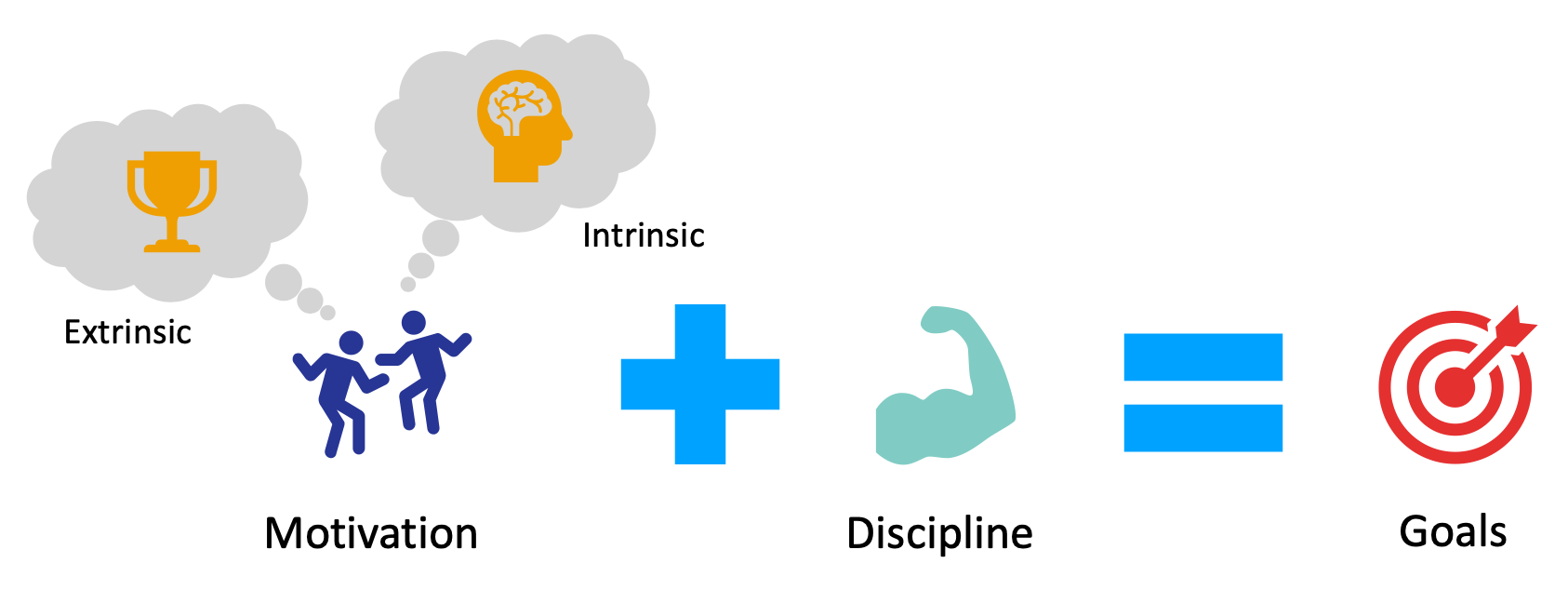
Motivation is emotional.
It comes and goes.

But discipline is a system.
A commitment.
A decision to act consistently.

Discipline says:

“I will do the work even when I don’t feel like it.”

That simple shift separates winners from quitters.
Ordinary from extraordinary.
Dreamers from achievers. ✅


✅ Why Motivation Fails

Motivation usually comes from:
⚡ A video
⚡ A quote
⚡ A new idea
⚡ A burst of excitement

It feels powerful… until reality hits:

  • You feel tired
  • You feel bored
  • You feel discouraged
  • You don’t see results yet

Your brain wants comfort.
Comfort kills progress.

Motivation burns fast.
Discipline burns forever. 🔥


✅ How Discipline Creates Real Results

Think of your goals like planting a tree:
🌱 Motivation is planting the seed
🌳 Discipline is watering it every day

Without consistency, nothing grows.
Without discipline, nothing changes.

Your best life is built one daily action at a time.


✅ Build Discipline in 5 Powerful Steps

✅ Step 1: Set Clear and Simple Goals

Your brain loves clarity.
Instead of:
❌ “I want to get fit”
Say:
✅ “I will work out 20 minutes every morning at 7 AM”

Specific goals create consistent actions.


✅ Step 2: Create a Routine and Stick to It

Routines turn decisions into habits.
Habits turn effort into autopilot.

Example:

  • Wake up at the same time
  • Exercise at the same time
  • Work on goals at the same time

Do it until it becomes automatic. ✅


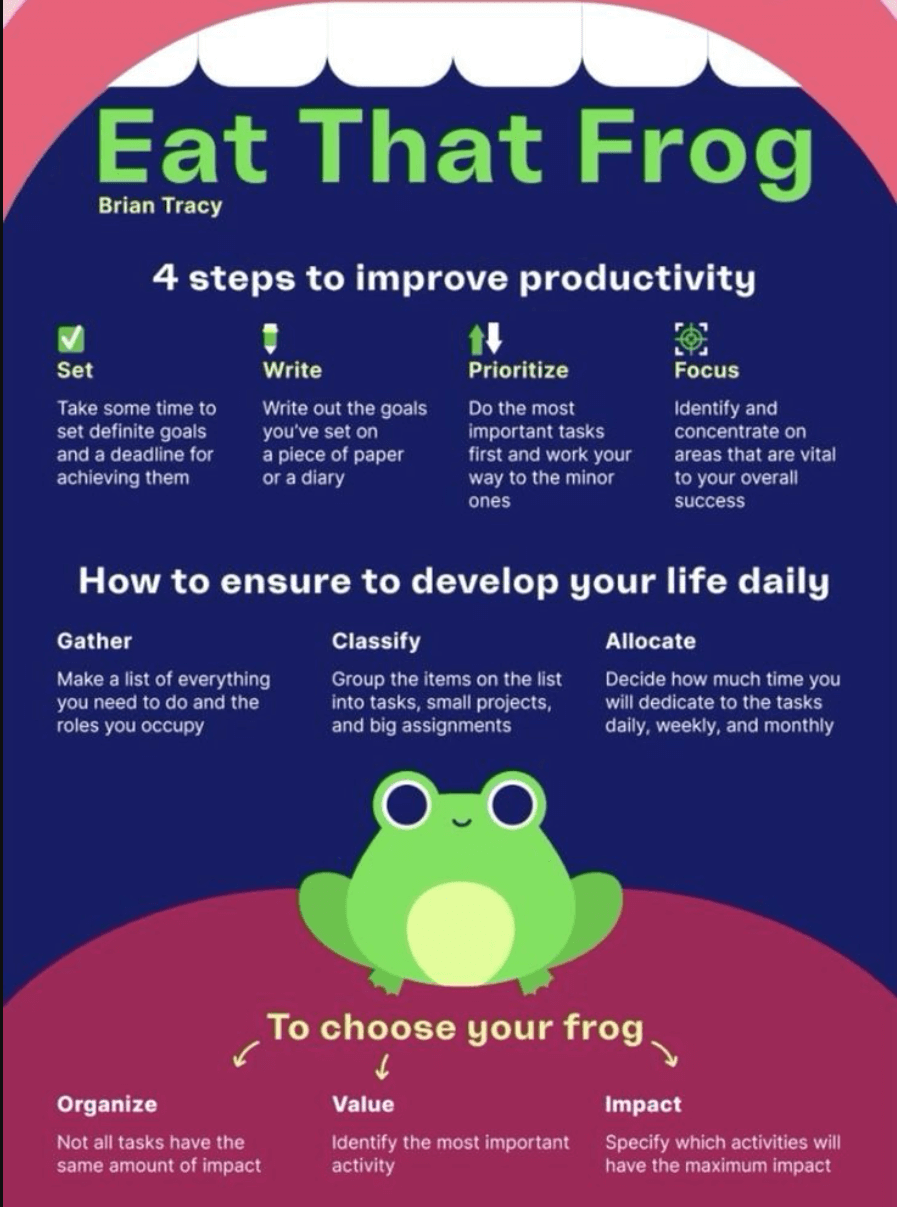
✅ Step 3: Do the Hard Thing First

https://pomotastic.com/assets/img/blog/eat-that-frog.png
https://media.licdn.com/dms/image/v2/D4D12AQGyVw3zldVxZg/article-cover_image-shrink_720_1280/B4DZeqBIPbH4AM-/0/1750904116283?e=2147483647&t=D4ZcTICljOumDvxsXY1tS2vEX1-OuwZ2BZV_Zeb861Q&v=beta
https://hagengrowth.com/wp-content/uploads/2024/06/How-habit-stacking-works.jpg

Your energy is strongest in the morning — use it wisely.
Finish the hardest task first and the rest of the day becomes easier.

When you win your morning, you win your day.


✅ Step 4: Track Progress — Even Small Wins

Success is built on tiny victories.

✅ Every workout
✅ Every page you read
✅ Every habit you complete

Track it. Celebrate it.
Your brain will crave more progress.


✅ Step 5: Remove Excuses

Every excuse has the same message:

“My comfort is more important than my dreams.”

Ask yourself daily:
What matters more — who I am now or who I want to become?

Discipline always chooses the future you. 💪✨


✅ When You Don’t Feel Like It — Do It Anyway

This is the secret.
The magic moment.
The turning point.

The day you show up WITHOUT motivation…
You win. ✅

That’s when discipline takes over.
That’s when transformation happens.
That’s when new levels unlock.


✅ Real-Life Proof

Every successful person you admire didn’t succeed because of motivation:
🏋️ Athletes train even on bad days
💼 Entrepreneurs work when tired
📚 Students study even without inspiration

They became winners because they didn’t quit.

Discipline makes ordinary people extraordinary.


✅ A 21-Day Discipline Challenge

✔️ Do one task daily for 21 days:

  • Wake up and make your bed
  • Drink water immediately
  • Do a tiny workout (10 mins)
  • Spend 15 mins on your goal
  • Avoid lazy excuses

After 21 days?
You’ll have a new identity:
→ A disciplined person 🔥


✅ FAQ (SEO Boost + AdSense Friendly)

Q: How long does it take to build discipline?
You can see changes in as little as 3 weeks.

Q: What if I miss a day?
Don’t quit. Reset. Continue.
Discipline isn’t perfection — it’s persistence.

Q: Can discipline improve my confidence?
YES. Confidence grows every time you keep a promise to yourself.


✅ Final Motivation

Motivation may start the journey…
But discipline crosses the finish line.

You deserve success.
You deserve growth.
You deserve the life you dream of.

And you’re building it one disciplined day at a time.

How to Build Self Confidence Step by Step

✨ Introduction

Self-confidence is the foundation of success, happiness, and personal growth. It’s the strength that tells you:
“I can do this. I deserve this. I’m becoming better.”

But confidence isn’t something you are born with — it’s something you build. Every skill, every accomplishment, every moment you decide not to give up… adds another brick to your inner strength.

In this guide, you’ll learn simple and practical steps to boost your confidence no matter where you are starting from — whether you feel shy speaking up, doubt your abilities, or fear failure.

Remember: confidence is a muscle — the more you use it, the stronger it becomes.


✅ Step 1: Understand Where Your Confidence Comes From

Confidence isn’t magic — it grows from:
✅ Courage
✅ Experience
✅ Preparation
✅ Self-belief

Start by recognizing what currently kills your confidence:

Negative self-talk

Comparing yourself to others

Past failures

Judgment from people

Fear of making mistakes

You can’t fix what you don’t understand — so this awareness is the first win.

✨ Write down 5 things that make you feel strong
And 5 things that make you doubt yourself

Awareness creates clarity.
Clarity creates change. ✅


✅ Step 2: Set Small Wins & Celebrate Every Progress

Confidence grows when you achieve things — even small things.

Examples:

Waking up earlier

Drinking water in the morning

Completing a workout

Reading for 10 minutes

Speaking confidently in one conversation

Every time you win, your brain says:
👉 “I’m capable. I can do more.”

Track your wins daily — build momentum like leveling up in a game.

💡 Motivation Tip:
Small daily victories beat big, inconsistent ones.


✅ Step 3: Improve Your Body Language & Appearance

Did you know? Your brain listens to your body.
When you:
✅ Stand tall
✅ Make eye contact
✅ Smile
✅ Dress neatly

…you feel more confident instantly.

Try the “confidence posture”:
✔️ Shoulders back
✔️ Chin up
✔️ Deep breath

Body language can change your mood… before your mind even catches up.


✅ Step 4: Stop Comparing Yourself to Others

Comparison is the thief of joy.
Social media makes it worse — people only show their best moments, not their struggles.

You are on your journey.
You are not behind.
You are growing.

Focus on being 1% better each day.


✅ Step 5: Practice Speaking Up — Even If You’re Afraid

Communication is a major confidence builder.
You don’t have to start with big speeches — start small:

Share your opinion in a group

Ask questions

Introduce yourself to someone new

Speak clearly and loudly

Each time you speak up, you teach your brain that your voice matters.
Because it does.


✅ Step 6: Learn Skills That Make You Proud

Confidence grows from capability.
When you learn something new, you prove to yourself:

👉 “I am improving. I am valuable.”

Ideas:

Learn a tech skill like coding or AI tools

Improve fitness and health

Study business or money skills

Practice creativity: writing, photography, design

Skills open doors.
Confidence walks through them. ✅


✅ Step 7: Surround Yourself With Positive People

Some people build you.
Some people break you.

Confidence grows faster when your environment supports you.
Choose people who:
✅ Encourage you
✅ Believe in your potential
✅ Celebrate your progress

And distance yourself from anyone who constantly:
❌ Criticizes you
❌ Doubts your dreams
❌ Makes you feel small

Protect your peace. Your confidence will thank you.


✅ Step 8: Replace Negative Self-Talk With Powerful Affirmations

Your words shape your identity.
Start practicing:

✅ “I am capable.”
✅ “I deserve success.”
✅ “I learn from mistakes.”
✅ “I am becoming stronger every day.”

Repeat them daily.
Your brain eventually believes what you tell it regularly.


✅ Step 9: Accept Failure as Part of Success

Every successful person has failed more times than most people ever try.

Failure doesn’t mean:
❌ You are not good enough

It means:
✅ You are growing
✅ You are learning
✅ You are trying

Confidence is not the absence of fear —
it is the courage to keep going despite fear.


✅ Step 10: Do This 30-Day Confidence Challenge

✔️ Practice one confidence-boosting action daily:

Day Action

1–5 Improve posture + eye contact
6–10 Speak up in one conversation daily
11–15 Take small challenges (new habit)
16–20 Celebrate every small win
21–25 Reduce negative self-talk
26–30 Do one thing that scares you daily

You won’t recognize yourself after 30 days.


✅ Frequently Asked Questions (SEO Boost)

Q: How long does it take to build self-confidence?
With daily action, you can feel changes in 2–4 weeks.

Q: What if I fail again?
Fail. Learn. Try again.
That’s how confidence is built.

Q: Can introverts be confident?
Absolutely. Confidence doesn’t mean being loud —
it means being comfortable with who you are.


✅ Final Motivation

You are stronger than you think.
You are more capable than you know.
You deserve confidence — and you are already building it.

➡️ Save this article.
➡️ Start the challenge today.
➡️ Your future self will thank you.