

Main Keyword Focus
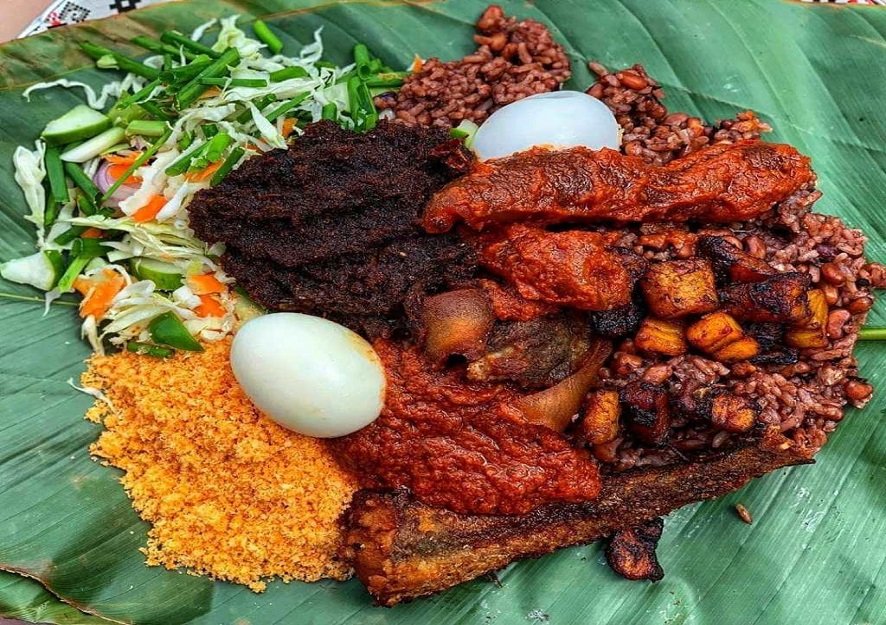
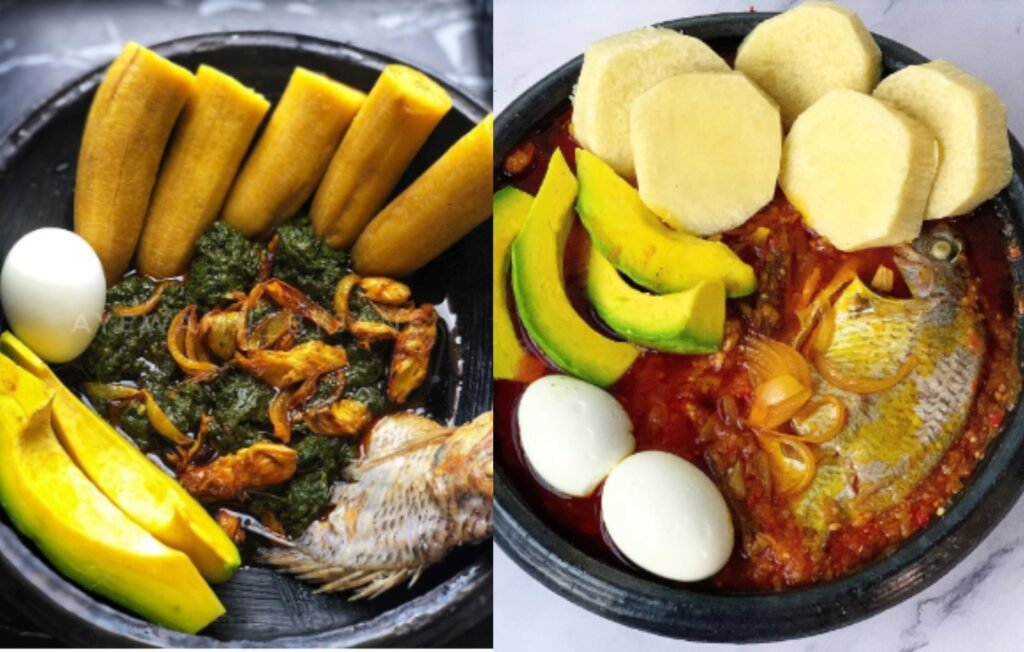
Healthy Ghanaian foods
Introduction
Traditional Ghanaian foods can provide excellent nutrition when prepared properly and eaten in moderation. Unfortunately, many people increasingly rely on processed foods, sugary drinks, and fast food because of convenience and busy lifestyles.
Urbanization has changed eating habits significantly, especially in cities such as Accra and Kumasi. However, many traditional Ghanaian foods remain highly nutritious and affordable.
Healthy eating does not require expensive imported products. Many local foods provide vitamins, minerals, fiber, protein, and healthy energy.
This guide explains some of the best healthy Ghanaian foods for long-term wellness and how to include them in a balanced diet.
Why Nutrition Matters
Good nutrition supports:
- Strong immunity
- Better energy levels
- Healthy digestion
- Improved mental focus
- Healthy weight management
- Long-term disease prevention
Poor eating habits may increase the risk of:
- Obesity
- Diabetes
- High blood pressure
- Heart disease
- Fatigue
1. Kontomire (Cocoyam Leaves)
Kontomire is one of the most nutritious vegetables commonly eaten in Ghana.
Nutritional Benefits
- Rich in iron
- High in vitamins
- Supports healthy blood production
- Contains fiber
Healthy Preparation Tips
- Reduce excessive palm oil usage
- Include fish or lean protein
- Add vegetables for balance
2. Beans
Beans are affordable and highly nutritious.
Benefits of Beans
- High protein content
- Supports muscle repair
- Rich in fiber
- Helps improve digestion
- Helps maintain fullness longer
Beans are commonly used in waakye and beans stew.
3. Plantain
Plantain provides energy and important nutrients.
Healthy Ways to Eat Plantain
- Boiled plantain
- Roasted plantain
- Moderately fried plantain
Nutritional Benefits
- Potassium
- Fiber
- Healthy carbohydrates
4. Garden Eggs
Garden eggs are rich in antioxidants and fiber.
Benefits
- Supports digestion
- Low in calories
- Good for heart health
5. Brown Rice
Brown rice contains more fiber than highly processed white rice.
Benefits
- Supports digestion
- Helps control blood sugar
- Provides sustained energy
6. Millet and Local Grains
Millet is commonly used in Hausa koko and other traditional meals.
Benefits
- Rich in nutrients
- Good for digestion
- Supports energy levels
7. Fresh Fruits
Fruits support immunity and hydration.
Healthy Fruit Options
- Mangoes
- Pineapples
- Watermelon
- Oranges
- Bananas
- Pawpaw
Step-by-Step Tips for Healthier Eating
Step 1: Eat More Homemade Meals
Home-cooked meals often contain less unhealthy fat and sugar.
Step 2: Reduce Excessive Fried Foods
Too much fried food may increase health risks.
Step 3: Drink More Water
Hydration supports digestion and energy.
Step 4: Balance Your Meals
Include:
- Protein
- Vegetables
- Healthy carbohydrates
- Fruits
Ghanaian Lifestyle Context
Many Ghanaian families still cook nutritious traditional meals at home. However, increasing fast-food dependence is affecting long-term health.
Returning to balanced traditional meals can improve nutrition significantly.
Practical Tools and Resources
Helpful Tools
- Meal planners
- Nutrition tracking apps
- Grocery lists
Helpful Habits
- Buying fresh market produce
- Preparing meals in advance
- Reducing sugary drinks
Common Nutrition Mistakes
Mistakes to Avoid
- Excessive sugary drinks
- Skipping vegetables
- Eating large portions late at night
- Relying heavily on processed foods
Frequently Asked Questions
Is fufu healthy?
Fufu can be part of a healthy diet when eaten in moderation with balanced soup portions.
Are traditional Ghanaian foods healthy?
Yes. Many traditional foods contain important nutrients.
Is healthy eating expensive?
Many local whole foods are affordable and nutritious.
Conclusion
Healthy Ghanaian foods can support excellent long-term wellness when prepared properly and consumed in balance.
Traditional nutrition combined with healthy lifestyle habits can improve energy, immunity, and overall health.
Call to Action
Choose one healthier local meal to prepare this week and begin improving your nutrition gradually.