Learn practical ways to stay healthy during the Harmattan season in Ghana by protecting your skin, lungs, hydration levels, and overall wellbeing.
Introduction
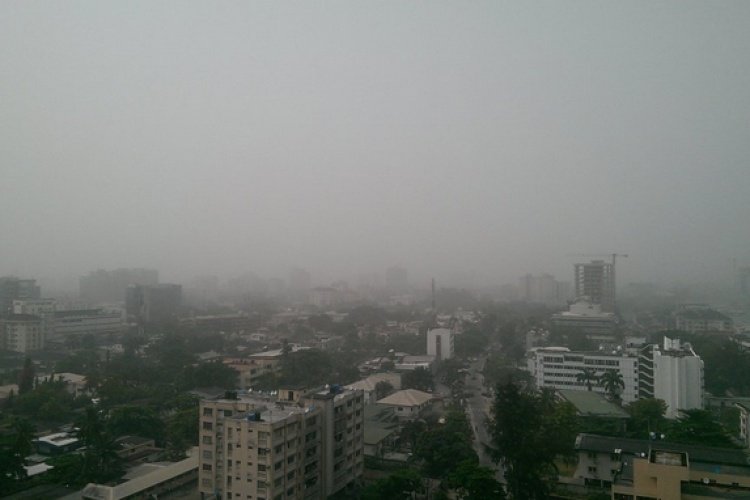
The Harmattan season brings dry, dusty winds across Ghana and much of West Africa. While many people enjoy the cooler temperatures, Harmattan can create health challenges.
Common issues include:
Dry skin
Chapped lips
Respiratory discomfort
Eye irritation
Dehydration
Step 1: Stay Hydrated
The dry air increases fluid loss.
Recommendations
Drink water regularly
Carry a water bottle
Reduce sugary beverages
Step 2: Protect Your Skin
Use:
Moisturizers
Shea butter
Lip balm
Step 3: Reduce Dust Exposure
Protective Measures
Wear face masks when necessary
Keep windows closed during dusty periods
Clean living spaces regularly
Step 4: Eat Nutrient-Rich Foods
Support immunity through:
Fruits
Vegetables
Healthy proteins
Step 5: Protect Your Eyes
Dust may irritate the eyes.
Helpful Tips
Wear sunglasses outdoors
Avoid rubbing eyes
Use clean water for rinsing
Ghanaian Context
Northern Ghana and parts of the savannah zone often experience stronger Harmattan conditions, making preventive measures especially important.
Practical Tools
Water bottles
Moisturizers
Humidifiers
Face masks
FAQs
Why does Harmattan cause dry skin?
The air contains very little moisture.
Can Harmattan affect breathing?
Yes. Dust particles may irritate the respiratory system.
Conclusion
Simple preventive measures can help you stay healthy throughout the Harmattan season.
Call to Action
Prepare a personal Harmattan wellness kit before the season begins.
Social media has become an essential part of modern life. It connects people across the world, supports businesses, builds personal brands, and creates opportunities that didn’t exist before. However, the same platforms that offer visibility and connection can also expose users to privacy risks, scams, harassment, and data misuse.
The goal is not to avoid social media—but to use it safely and intelligently. This guide explains how to protect yourself on social media while still enjoying its benefits, growing your audience, and maintaining an active online presence.
Why Social Media Safety Matters
Every social media account contains valuable information:
Personal photos and messages
Location data
Contact details
Social connections
Professional history
Cybercriminals, scammers, and data harvesters actively exploit careless behavior. A single weak setting or careless post can lead to identity theft, impersonation, financial loss, or reputational damage.
Being cautious does not mean being inactive. It means being informed.
Step 1: Secure Your Social Media Accounts Properly
Your first defense is strong account security.
Essential steps:
Use a strong, unique password for each platform
Enable two-factor authentication
Avoid logging in on shared or public devices
Monitor login alerts and security notifications
Treat social media accounts like digital property. Once compromised, recovery can be difficult and damaging.
Step 2: Review and Adjust Privacy Settings
Most platforms default to public settings.
Take time to:
Limit who can see your posts
Restrict who can message you
Control who can tag you
Hide personal details from public view
Review old posts and visibility
Privacy settings change over time. Revisit them periodically to stay protected.
Step 3: Be Mindful of What You Share
Not everything needs to be posted.
Avoid sharing:
Home address or exact location
Travel plans in real time
Phone numbers and email addresses
Financial or identification documents
Daily routines that reveal patterns
Posting responsibly protects your privacy without limiting creativity or engagement.
Step 4: Recognize Scams and Fake Accounts
Scammers frequently use social media.
Common tactics include:
Fake giveaways
Impersonation of brands or friends
Requests for urgent help or money
Investment promises that sound too good to be true
Links that lead to fake login pages
Always verify before clicking links or responding to requests. When unsure, don’t engage.
Step 5: Control Third-Party App Access
Many apps request access to your social media accounts.
Best practices:
Grant access only when necessary
Review connected apps regularly
Remove unused or suspicious integrations
Third-party apps can become security vulnerabilities if left unchecked.
Step 6: Protect Your Personal Brand
Your online presence reflects your identity.
Tips:
Think before posting emotionally
Avoid engaging in unnecessary conflicts
Be consistent with your values and tone
Separate personal and professional accounts if needed
A strong online reputation is built through intentional behavior.
Step 7: Manage Direct Messages Carefully
Direct messages can be a major security risk.
Guidelines:
Don’t open suspicious attachments
Avoid sharing personal details privately
Ignore pressure-based messages
Block and report abusive or suspicious accounts
Your inbox should be a safe space—not a threat.
Step 8: Understand Platform Reporting Tools
Most platforms offer tools to:
Block users
Report abuse
Report impersonation
Report scams
Control comment moderation
Knowing how to use these tools empowers you to take action when necessary.
Step 9: Protect Your Mental and Emotional Well-being
Safety is not just technical—it’s emotional.
Limit:
Doom-scrolling
Comparison-based content
Toxic discussions
Curate your feed to support positivity, learning, and growth.
Step 10: Educate Yourself Continuously
Social media platforms evolve constantly.
Stay informed about:
New privacy features
Common scam trends
Platform policy changes
Security updates
Awareness is your strongest protection.
Common Mistakes to Avoid
Avoid:
Accepting every friend request
Sharing too much personal information
Ignoring security alerts
Trusting unverified accounts
Posting while emotionally overwhelmed
Digital safety is built on awareness and restraint.
How Safe Social Media Use Benefits You
When you stay safe:
You protect your identity
You build trust with your audience
You reduce stress and anxiety
You maintain long-term credibility
You enjoy social media with confidence
Safety supports growth—it doesn’t limit it.
Final Motivation
Social media is a powerful tool. When used wisely, it opens doors to connection, learning, opportunity, and influence. Safety is not about fear—it’s about control. The more you understand how platforms work, the more confidently you can use them.
You don’t have to disappear to stay safe. You just have to be intentional.
Action step: Review the security and privacy settings of one social media account today. A few minutes of attention can prevent months of stress later.