
How to Boost Your Immune System Naturally

Main Keyword Focus

Boost immune system naturally

Introduction

Your immune system protects your body against illness and infection. While no method guarantees perfect immunity, healthy habits can strengthen your body’s natural defenses.

Why Immunity Matters

Strong immunity can:

  • Reduce illness frequency
  • Improve recovery
  • Increase energy
  • Support long-term health

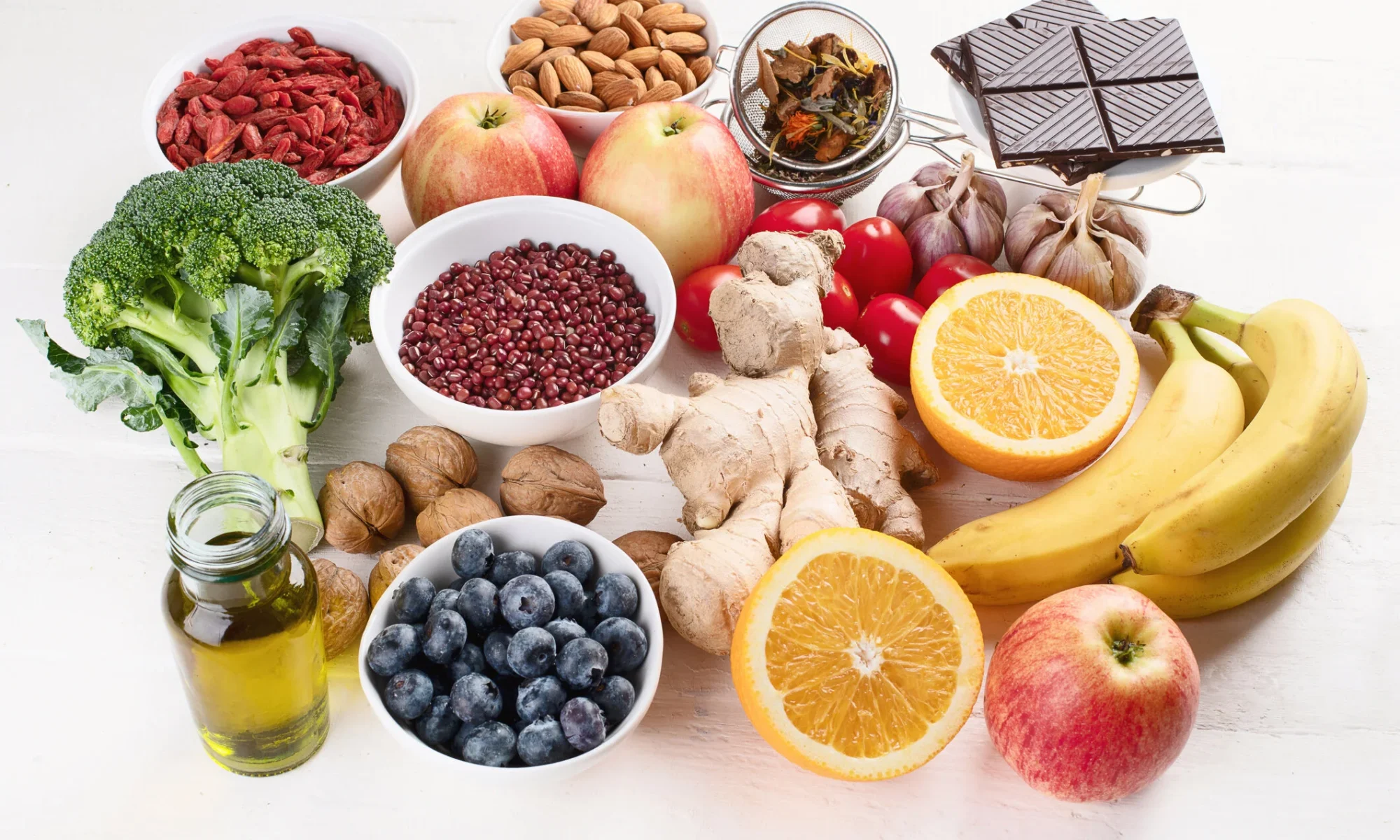
Step 1: Eat Nutritious Foods

Focus on:

  • Fruits
  • Vegetables
  • Lean protein
  • Whole grains

Ghanaian Examples

  • Kontomire
  • Garden eggs
  • Oranges
  • Mangoes
  • Beans

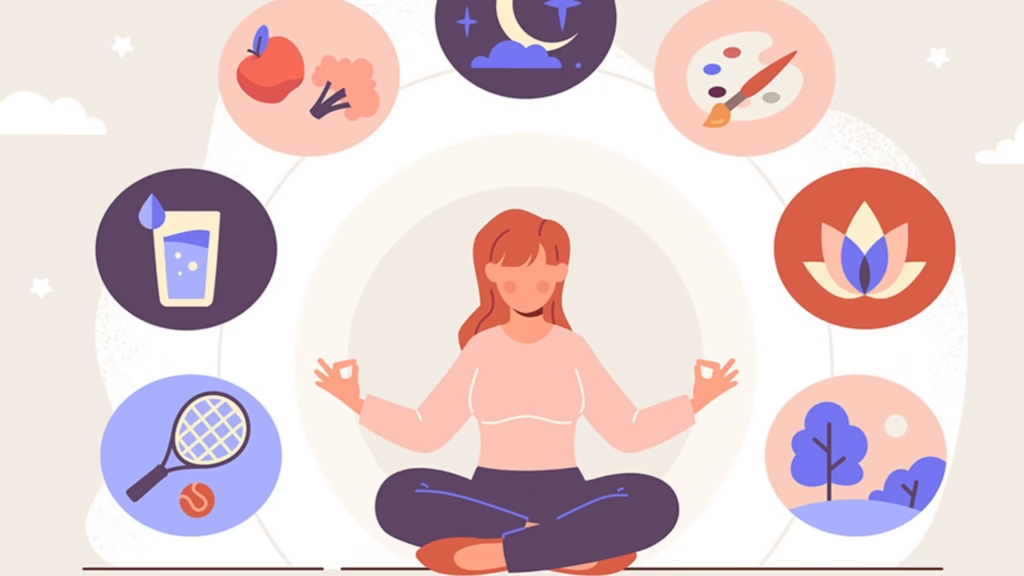
Step 2: Prioritize Sleep

Adults should aim for 7–9 hours nightly.

Step 3: Exercise Regularly

Moderate exercise supports immune function.

Step 4: Manage Stress

Chronic stress weakens immunity.

Helpful Methods

  • Prayer
  • Meditation
  • Walking
  • Deep breathing

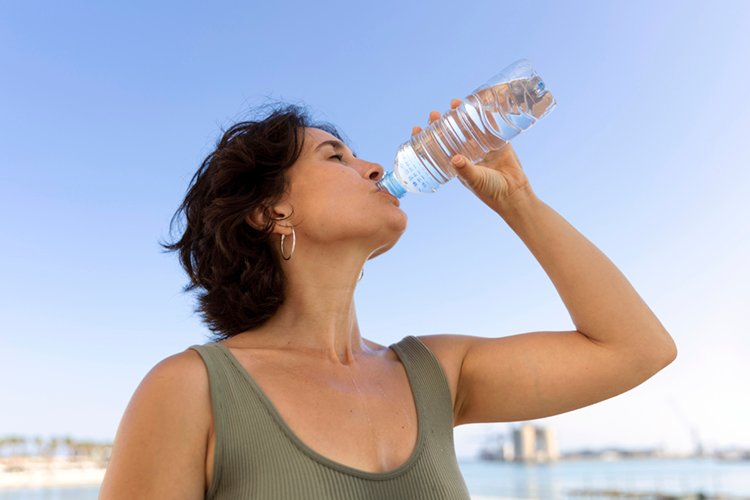
Step 5: Stay Hydrated

Water supports many immune processes.

Step 6: Maintain Good Hygiene

Wash hands regularly and maintain cleanliness.

Ghanaian Context

Seasonal weather changes, crowded transportation systems, and workplace interactions make strong immunity particularly important.

Practical Tools

  • Water reminder apps
  • Nutrition trackers
  • Fitness trackers

FAQs

Can vitamins replace healthy habits?

No. Supplements should complement healthy lifestyles.

Does exercise improve immunity?

Yes, moderate exercise helps.

Conclusion

Strong immunity results from consistent healthy habits.

Call to Action

Start strengthening your immune system by improving one health habit today

How to Build Better Hydration Habits

Main Keyword Focus

Build better hydration habits

Learn how to develop healthy hydration habits that improve energy, digestion, focus, and overall wellness.

Introduction

Water is essential for life. It supports digestion, circulation, temperature regulation, brain function, and overall health.

Despite its importance, many people do not drink enough water daily.

In Ghana’s warm climate, maintaining proper hydration is especially important.

Benefits of Staying Hydrated

Adequate hydration can:

  • Improve energy levels
  • Support digestion
  • Enhance concentration
  • Reduce headaches
  • Improve physical performance

Step 1: Start the Day With Water

Drink a glass of water shortly after waking up.

Step 2: Carry a Water Bottle

Keeping water nearby encourages regular drinking.

Step 3: Set Hydration Reminders

Use phone alerts or apps.

Step 4: Eat Water-Rich Foods

Examples:

  • Watermelon
  • Cucumbers
  • Oranges
  • Pineapples

Step 5: Replace Sugary Drinks

Choose:

  • Water
  • Coconut water
  • Herbal tea

Step 6: Monitor Hydration

Signs of adequate hydration include:

  • Light-colored urine
  • Consistent energy
  • Reduced thirst

Ghanaian Context

Hot weather, outdoor work, and physical activity increase water needs significantly.

Practical Tools

  • Water reminder apps
  • Reusable water bottles
  • Hydration trackers

FAQs

How much water should I drink daily?

Needs vary, but many adults benefit from approximately 2–3 liters daily.

Can coffee count toward hydration?

It contributes some fluids but should not replace water.

Conclusion

Hydration is one of the simplest ways to improve health and wellbeing.

Call to Action

Carry a reusable water bottle with you every day for the next week.

How to Improve Your Posture Naturally

Female sleep posture comparison

Main Keyword Focus

Improve posture naturally

Learn how to improve posture naturally through exercise, stretching, workspace adjustments, and daily habits.

Introduction

Poor posture is becoming increasingly common because of long hours spent sitting, using smartphones, and working on computers.

Bad posture can contribute to:

  • Neck pain
  • Back pain
  • Headaches
  • Reduced mobility
  • Muscle tension

Fortunately, posture can improve through consistent habits and simple exercises.

Why Good Posture Matters

Good posture helps:

  • Reduce pain
  • Improve breathing
  • Increase confidence
  • Improve physical performance

Step 1: Become Aware of Your Posture

Notice how you sit, stand, and walk.

Questions to Ask

  • Are your shoulders slouched?
  • Is your head leaning forward?
  • Are you sitting correctly?

Step 2: Strengthen Core Muscles

Strong core muscles support proper alignment.

Helpful Exercises

  • Planks
  • Bridges
  • Bird-dogs

Step 3: Stretch Regularly

Stretching improves flexibility and reduces tension.

Key Areas

  • Chest
  • Neck
  • Shoulders
  • Hip flexors

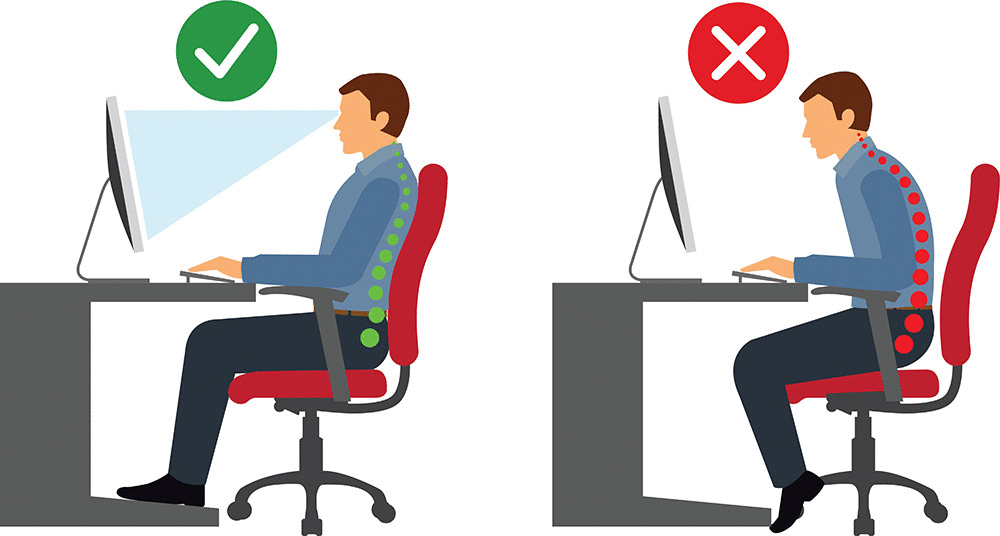
Step 4: Improve Your Workspace

Adjust:

  • Chair height
  • Screen position
  • Keyboard placement

Step 5: Reduce Phone Neck

Avoid looking down at phones constantly.

Better Habit

Hold devices closer to eye level.

Ghanaian Context

Many office workers, students, and drivers spend long periods sitting. Regular movement breaks are essential.

Practical Tools

  • Ergonomic chairs
  • Lumbar supports
  • Posture reminder apps

FAQs

Can posture improve at any age?

Yes. Consistent effort can improve posture significantly.

How long does improvement take?

Many people notice progress within a few weeks.

Conclusion

Improving posture naturally requires awareness, strengthening exercises, and healthy movement habits.

Call to Action

Practice one posture-improving exercise daily this week.

Best Healthy Snacks for Busy Professionals

Main Keyword Focus

Healthy snacks for busy professionals

Discover healthy snack ideas that provide energy, improve focus, and support wellness for busy professionals.

Introduction

Busy schedules often make healthy eating difficult. Many professionals rely on convenience foods, fast food, and sugary snacks because they are quick and accessible.

Unfortunately, unhealthy snacking can contribute to weight gain, low energy, and reduced productivity.

Choosing nutritious snacks can help maintain energy levels throughout the day.

Why Healthy Snacks Matter

Healthy snacks can:

  • Prevent overeating
  • Improve concentration
  • Support weight management
  • Maintain energy levels

Best Healthy Snack Options

1. Fresh Fruits

Examples:

  • Apples
  • Oranges
  • Bananas
  • Mangoes

2. Nuts

Examples:

  • Groundnuts
  • Almonds
  • Cashews

3. Boiled Eggs

Benefits:

  • High protein
  • Portable
  • Filling

4. Yogurt

Choose low-sugar options.

5. Vegetable Sticks

Examples:

  • Carrots
  • Cucumbers

Snack Planning Tips

  • Prepare snacks in advance
  • Carry healthy options to work
  • Avoid vending-machine temptations

Ghanaian Context

Many professionals spend long hours in traffic and offices. Preparing healthy snacks beforehand helps avoid unhealthy food choices.

Practical Tools

  • Food containers
  • Meal prep planners
  • Nutrition apps

FAQs

How often should I snack?

Depending on hunger levels and activity, one or two healthy snacks may be sufficient.

Are nuts healthy?

Yes, when consumed in moderation.

Conclusion

Healthy snacks help support energy, productivity, and overall wellness.

Call to Action

Prepare healthy snacks for your next workday instead of purchasing processed alternatives.

How to Reduce Sugar Intake Safely

Main Keyword Focus

Reduce sugar intake safely

Learn how to reduce sugar consumption safely and sustainably while improving energy, weight management, and overall health.

Introduction

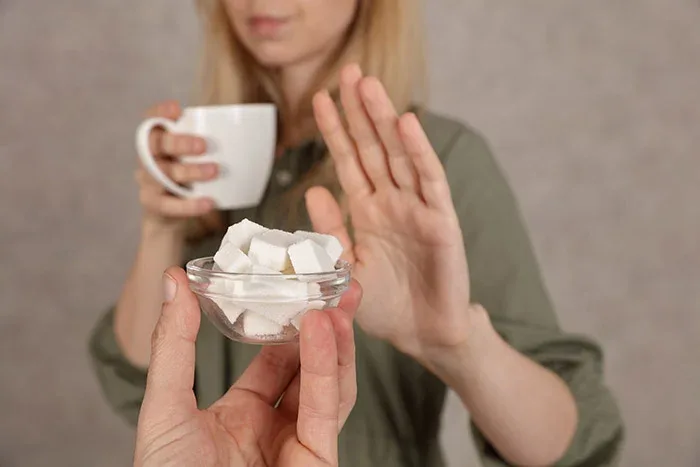
Sugar is present in many foods and beverages consumed daily. While small amounts are acceptable, excessive sugar intake can contribute to obesity, diabetes, heart disease, dental problems, and energy crashes.

Many people consume large amounts of sugar without realizing it. Soft drinks, packaged snacks, pastries, sweetened beverages, and processed foods often contain hidden sugars.

Reducing sugar intake does not mean eliminating all enjoyable foods. Instead, it involves making healthier choices and building sustainable habits.

Why Excess Sugar Is a Problem

High sugar consumption may lead to:

  • Weight gain
  • Increased diabetes risk
  • Tooth decay
  • Energy fluctuations
  • Increased hunger

Step 1: Identify Hidden Sugars

Read food labels carefully.

Common Sources

  • Soft drinks
  • Fruit juices
  • Breakfast cereals
  • Biscuits
  • Sweetened yogurt

Step 2: Reduce Sugary Drinks

Sugary beverages are one of the largest sources of added sugar.

Better Alternatives

  • Water
  • Coconut water
  • Herbal tea
  • Fruit-infused water

Step 3: Choose Whole Fruits

Whole fruits provide fiber and nutrients.

Ghanaian Fruit Options

  • Mangoes
  • Oranges
  • Pineapples
  • Bananas
  • Watermelon

Step 4: Reduce Gradually

Sudden changes may be difficult.

Example

Reduce sugar in tea gradually over several weeks.

Step 5: Eat More Protein and Fiber

These nutrients help reduce cravings.

Examples

  • Beans
  • Eggs
  • Fish
  • Vegetables
  • Oats

Ghanaian Context

Many popular drinks and snacks contain significant sugar. Choosing fresh fruits and homemade beverages can help reduce intake.

Practical Tools

  • Nutrition apps
  • Food journals
  • Meal planners

FAQs

Is fruit sugar unhealthy?

Whole fruits contain beneficial nutrients and fiber.

How long does it take to reduce sugar cravings?

Most people notice improvement within a few weeks.

Conclusion

Reducing sugar intake gradually is more sustainable than extreme restrictions.

Call to Action

Replace one sugary drink with water today.

How to Improve Emotional Wellness

Main Keyword Focus

Improve emotional wellness

Learn practical ways to improve emotional wellness, manage stress, build resilience, and enjoy a healthier, more balanced life.

Introduction

Emotional wellness refers to your ability to understand, manage, and express your emotions in a healthy way. It affects your relationships, work performance, decision-making, physical health, and overall happiness.

Many people focus on physical health while neglecting their emotional wellbeing. However, emotional health is equally important. Challenges such as financial pressures, family responsibilities, workplace stress, and relationship issues can affect emotional wellness significantly.

In Ghana, where community and family relationships play a major role in daily life, emotional wellbeing often influences both personal and professional success.

This guide explains practical strategies to improve emotional wellness and build long-term emotional resilience.

Why Emotional Wellness Matters

Good emotional health helps you:

  • Manage stress effectively
  • Build stronger relationships
  • Improve self-confidence
  • Make better decisions
  • Maintain mental clarity
  • Increase resilience during difficult times

Step 1: Develop Self-Awareness

Understanding your emotions is the foundation of emotional wellness.

Practical Tips

  • Keep a journal
  • Reflect on daily experiences
  • Identify emotional triggers
  • Monitor your reactions

Step 2: Learn Healthy Stress Management

Stress affects emotional wellbeing.

Effective Stress-Reduction Methods

  • Deep breathing
  • Prayer and meditation
  • Walking
  • Exercise
  • Spending time in nature

Step 3: Build Healthy Relationships

Positive relationships provide emotional support.

Relationship Tips

  • Communicate openly
  • Listen actively
  • Set healthy boundaries
  • Avoid toxic relationships

Step 4: Practice Gratitude

Gratitude helps shift attention from problems to positive aspects of life.

Gratitude Exercises

  • Write three things you’re grateful for daily
  • Celebrate small wins
  • Appreciate personal progress

Step 5: Improve Physical Health

Physical and emotional health are closely connected.

Important Areas

  • Sleep
  • Nutrition
  • Exercise
  • Hydration

Ghanaian Context

Strong family and community ties can provide emotional support during difficult times. Participating in faith communities, social groups, and positive friendships often improves emotional resilience.

Practical Tools and Resources

  • Mood tracking apps
  • Journals
  • Meditation apps
  • Counseling services

FAQs

What is emotional wellness?

It is the ability to manage emotions effectively and maintain emotional balance.

Can exercise improve emotional health?

Yes. Exercise releases chemicals that improve mood and reduce stress.

Conclusion

Emotional wellness is essential for a healthy and fulfilling life.

Call to Action

Start a daily gratitude journal and commit to using it for the next 30 days.

Best Daily Habits for Long-Term Wellness

Main Keyword Focus

Daily habits for long-term wellness

Discover the best daily habits for long-term wellness, including nutrition, exercise, sleep, hydration, and stress management.

Introduction

Long-term health is not built through occasional efforts. It develops through small daily habits practiced consistently over months and years.

Many chronic diseases are strongly influenced by lifestyle choices. Fortunately, positive habits can improve both physical and mental wellbeing.

Habit 1: Prioritize Quality Sleep

Aim for:

  • 7–9 hours nightly
  • Consistent sleep schedules
  • Reduced screen time before bed

Habit 2: Stay Physically Active

Movement improves:

  • Heart health
  • Energy levels
  • Mental wellbeing

Goal

At least 30 minutes daily.

Habit 3: Eat Nutritious Foods

Focus on:

  • Fruits
  • Vegetables
  • Whole grains
  • Lean proteins

Habit 4: Stay Hydrated

Water supports:

  • Digestion
  • Energy
  • Brain function

Habit 5: Manage Stress Effectively

Practice:

  • Prayer
  • Meditation
  • Deep breathing
  • Journaling

Habit 6: Build Positive Relationships

Healthy relationships improve emotional wellness.

Habit 7: Continue Learning

Mental stimulation supports long-term brain health.

Ghanaian Context

Traditional Ghanaian lifestyles often included more physical activity and fresh foods. Combining these strengths with modern health knowledge can support excellent long-term wellness.

Practical Tools

  • Habit tracking apps
  • Journals
  • Fitness trackers
  • Nutrition planners

FAQs

How long does it take to build a habit?

Many people require several weeks of consistent practice.

Which habit should I start with?

Begin with one habit that feels realistic and manageable.

Conclusion

Long-term wellness is the result of daily choices, not occasional efforts.

Call to Action

Select one wellness habit from this article and practice it consistently for the next month.

How to Stay Healthy During Harmattan

Main Keyword Focus

Stay healthy during Harmattan

Learn practical ways to stay healthy during the Harmattan season in Ghana by protecting your skin, lungs, hydration levels, and overall wellbeing.

Introduction

The Harmattan season brings dry, dusty winds across Ghana and much of West Africa. While many people enjoy the cooler temperatures, Harmattan can create health challenges.

Common issues include:

  • Dry skin
  • Chapped lips
  • Respiratory discomfort
  • Eye irritation
  • Dehydration

Step 1: Stay Hydrated

The dry air increases fluid loss.

Recommendations

  • Drink water regularly
  • Carry a water bottle
  • Reduce sugary beverages

Step 2: Protect Your Skin

Use:

  • Moisturizers
  • Shea butter
  • Lip balm

Step 3: Reduce Dust Exposure

Protective Measures

  • Wear face masks when necessary
  • Keep windows closed during dusty periods
  • Clean living spaces regularly

Step 4: Eat Nutrient-Rich Foods

Support immunity through:

  • Fruits
  • Vegetables
  • Healthy proteins

Step 5: Protect Your Eyes

Dust may irritate the eyes.

Helpful Tips

  • Wear sunglasses outdoors
  • Avoid rubbing eyes
  • Use clean water for rinsing

Ghanaian Context

Northern Ghana and parts of the savannah zone often experience stronger Harmattan conditions, making preventive measures especially important.

Practical Tools

  • Water bottles
  • Moisturizers
  • Humidifiers
  • Face masks

FAQs

Why does Harmattan cause dry skin?

The air contains very little moisture.

Can Harmattan affect breathing?

Yes. Dust particles may irritate the respiratory system.

Conclusion

Simple preventive measures can help you stay healthy throughout the Harmattan season.

Call to Action

Prepare a personal Harmattan wellness kit before the season begins.

How to Avoid Burnout at Work

Main Keyword Focus

Avoid burnout at work

Learn how to prevent workplace burnout through better stress management, work-life balance, and self-care habits.

Introduction

Burnout occurs when prolonged stress leaves you physically, mentally, and emotionally exhausted. It can affect productivity, relationships, health, and overall happiness.

Many professionals, entrepreneurs, healthcare workers, teachers, and business owners experience burnout because of excessive workloads and inadequate recovery.

Signs of Burnout

  • Constant fatigue
  • Reduced motivation
  • Poor concentration
  • Irritability
  • Sleep problems
  • Emotional exhaustion

Step 1: Set Healthy Boundaries

Avoid being available 24 hours daily.

Examples

  • Set work hours
  • Avoid unnecessary overtime
  • Protect personal time

Step 2: Prioritize Rest

Recovery is essential for performance.

Recovery Habits

  • Sleep adequately
  • Take breaks
  • Schedule vacations

Step 3: Improve Time Management

Focus on priorities instead of constant multitasking.

Step 4: Exercise Regularly

Physical activity helps reduce stress and improve mood.

Step 5: Learn to Say No

Overcommitment contributes significantly to burnout.

Ghanaian Context

Many workers in Accra face long commuting hours combined with demanding jobs, increasing burnout risk.

Practical Tools

  • Todoist
  • Google Calendar
  • Trello
  • Stress management apps

FAQs

Can burnout affect health?

Yes. It can contribute to anxiety, sleep problems, and chronic stress.

How long does recovery take?

Recovery varies depending on severity and lifestyle changes.

Conclusion

Preventing burnout requires balance, boundaries, and consistent self-care.

Call to Action

Identify one area of your life where you can create a healthier boundary this week.

How to Build Better Self-Discipline for Healthy Living

Main Keyword Focus

Self-discipline for healthy living. Learn how to build self-discipline for healthy living through practical habits, mindset shifts, and daily routines that support long-term wellness.

Introduction

Many people know what they should do to improve their health. They know they should exercise regularly, eat healthier foods, sleep adequately, and reduce stress. However, knowledge alone is not enough. The difference between those who achieve lasting health goals and those who struggle often comes down to self-discipline.

Self-discipline is the ability to make decisions based on long-term benefits rather than short-term comfort. It helps you stay committed to healthy habits even when motivation disappears.

In Ghana, busy work schedules, family obligations, social gatherings, and increasing access to unhealthy foods can make healthy living challenging. Developing self-discipline allows you to stay focused on your wellness goals regardless of external circumstances.

Why Self-Discipline Matters

Self-discipline helps you:

  • Exercise consistently
  • Eat healthier foods
  • Maintain healthy sleep habits
  • Manage stress effectively
  • Achieve long-term wellness goals

Step 1: Set Clear Health Goals

Vague goals often fail.

Instead of saying:
“I want to get healthy.”

Say:
“I will walk for 30 minutes five times weekly.”

Step 2: Start Small

Many people fail because they attempt drastic changes.

Examples:

  • Drink one extra glass of water daily
  • Walk 15 minutes daily
  • Eat vegetables with one meal daily

Step 3: Create Healthy Routines

Habits reduce the need for willpower.

Examples

  • Exercise after work
  • Drink water after waking up
  • Sleep at the same time daily

Step 4: Remove Temptations

Your environment affects your behavior.

Practical Tips

  • Avoid stocking excessive junk food
  • Reduce social media distractions
  • Keep healthy snacks available

Ghanaian Context

Many social events involve large portions of food and sugary drinks. Self-discipline helps you enjoy these occasions while maintaining balance.

Step 5: Track Progress

Monitor:

  • Exercise sessions
  • Water intake
  • Sleep quality
  • Healthy meals consumed

Helpful Tools

  • Habit Tracker
  • Google Calendar
  • Notion
  • Journal notebooks

FAQs

Can self-discipline be learned?

Yes. It improves through consistent practice.

What if I miss a day?

Resume immediately. Avoid giving up completely.

Conclusion

Self-discipline is one of the most valuable skills for long-term health and wellness.

Call to Action

Choose one healthy habit and commit to it for the next 30 days.