How to Build Better Hydration Habits

Main Keyword Focus

Build better hydration habits

Learn how to develop healthy hydration habits that improve energy, digestion, focus, and overall wellness.

Introduction

Water is essential for life. It supports digestion, circulation, temperature regulation, brain function, and overall health.

Despite its importance, many people do not drink enough water daily.

In Ghana’s warm climate, maintaining proper hydration is especially important.

Benefits of Staying Hydrated

Adequate hydration can:

  • Improve energy levels
  • Support digestion
  • Enhance concentration
  • Reduce headaches
  • Improve physical performance

Step 1: Start the Day With Water

Drink a glass of water shortly after waking up.

Step 2: Carry a Water Bottle

Keeping water nearby encourages regular drinking.

Step 3: Set Hydration Reminders

Use phone alerts or apps.

Step 4: Eat Water-Rich Foods

Examples:

  • Watermelon
  • Cucumbers
  • Oranges
  • Pineapples

Step 5: Replace Sugary Drinks

Choose:

  • Water
  • Coconut water
  • Herbal tea

Step 6: Monitor Hydration

Signs of adequate hydration include:

  • Light-colored urine
  • Consistent energy
  • Reduced thirst

Ghanaian Context

Hot weather, outdoor work, and physical activity increase water needs significantly.

Practical Tools

  • Water reminder apps
  • Reusable water bottles
  • Hydration trackers

FAQs

How much water should I drink daily?

Needs vary, but many adults benefit from approximately 2–3 liters daily.

Can coffee count toward hydration?

It contributes some fluids but should not replace water.

Conclusion

Hydration is one of the simplest ways to improve health and wellbeing.

Call to Action

Carry a reusable water bottle with you every day for the next week.

How to Improve Your Posture Naturally

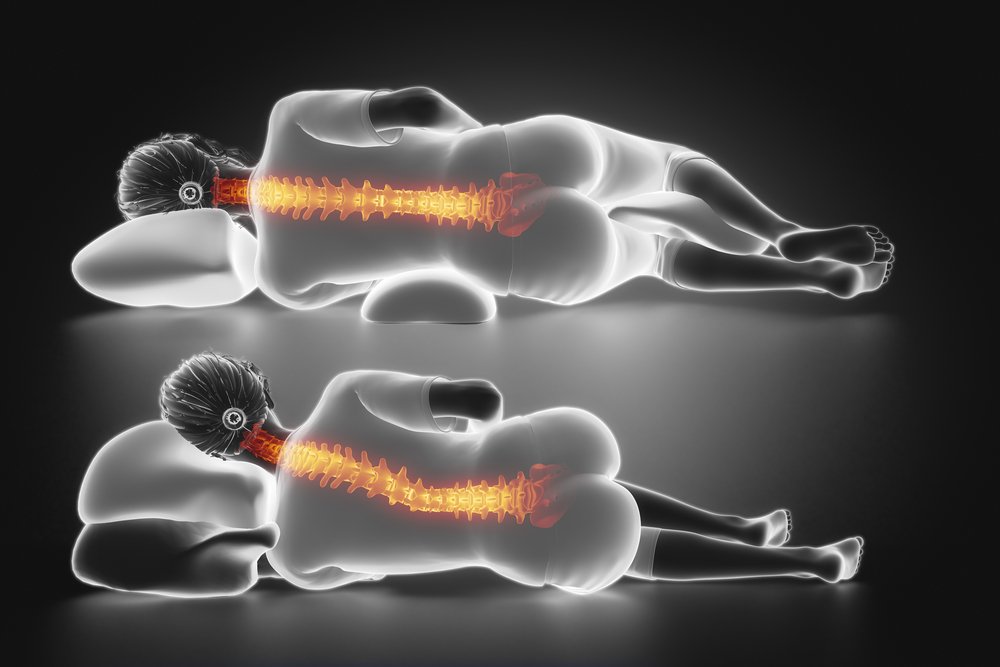
Female sleep posture comparison

Main Keyword Focus

Improve posture naturally

Learn how to improve posture naturally through exercise, stretching, workspace adjustments, and daily habits.

Introduction

Poor posture is becoming increasingly common because of long hours spent sitting, using smartphones, and working on computers.

Bad posture can contribute to:

  • Neck pain
  • Back pain
  • Headaches
  • Reduced mobility
  • Muscle tension

Fortunately, posture can improve through consistent habits and simple exercises.

Why Good Posture Matters

Good posture helps:

  • Reduce pain
  • Improve breathing
  • Increase confidence
  • Improve physical performance

Step 1: Become Aware of Your Posture

Notice how you sit, stand, and walk.

Questions to Ask

  • Are your shoulders slouched?
  • Is your head leaning forward?
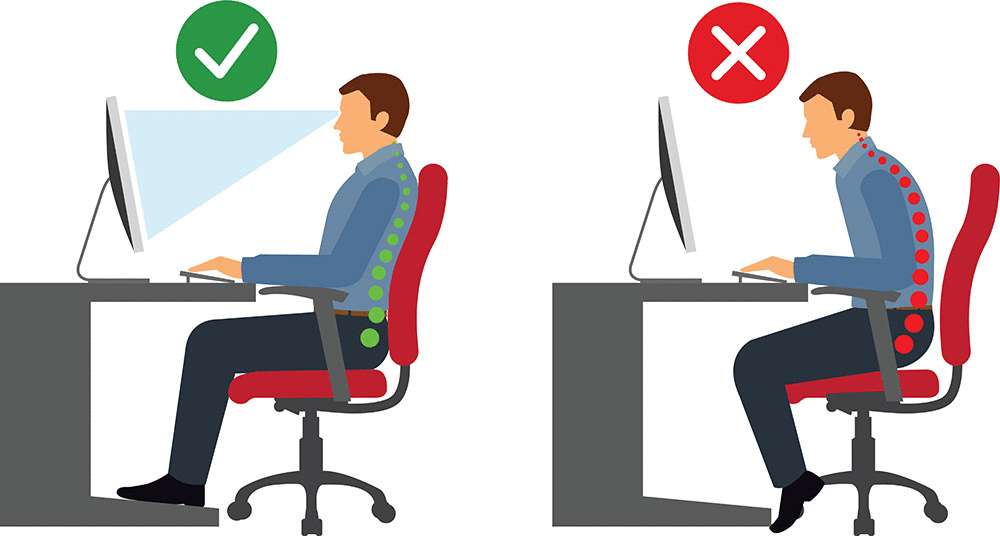
  • Are you sitting correctly?

Step 2: Strengthen Core Muscles

Strong core muscles support proper alignment.

Helpful Exercises

  • Planks
  • Bridges
  • Bird-dogs

Step 3: Stretch Regularly

Stretching improves flexibility and reduces tension.

Key Areas

  • Chest
  • Neck
  • Shoulders
  • Hip flexors

Step 4: Improve Your Workspace

Adjust:

  • Chair height
  • Screen position
  • Keyboard placement

Step 5: Reduce Phone Neck

Avoid looking down at phones constantly.

Better Habit

Hold devices closer to eye level.

Ghanaian Context

Many office workers, students, and drivers spend long periods sitting. Regular movement breaks are essential.

Practical Tools

  • Ergonomic chairs
  • Lumbar supports
  • Posture reminder apps

FAQs

Can posture improve at any age?

Yes. Consistent effort can improve posture significantly.

How long does improvement take?

Many people notice progress within a few weeks.

Conclusion

Improving posture naturally requires awareness, strengthening exercises, and healthy movement habits.

Call to Action

Practice one posture-improving exercise daily this week.

HOW TO START A HOME WORKOUT ROUTINE FOR BEGINNERS

Main Keyword Focus

Home workout routine for beginners

Introduction

Staying physically active is essential for maintaining good health, improving energy levels, reducing stress, and supporting long-term wellness. However, many people believe they need expensive gym memberships or advanced equipment before they can start exercising.

The truth is that home workouts can be highly effective when done consistently.

In Ghana, many people struggle to maintain exercise routines because of traffic, demanding work schedules, financial limitations, or limited gym access. Home workouts provide a flexible and affordable solution for beginners who want to improve their fitness.

This guide explains how to build a practical and sustainable home workout routine that supports long-term results.

Benefits of Home Workouts

Home workouts offer several advantages.

Key Benefits

  • Saves money
  • Saves commuting time
  • Flexible scheduling
  • Comfortable environment
  • Beginner-friendly
  • Easy consistency

Step 1: Define Your Fitness Goals

Your workout routine should match your goals.

Common Fitness Goals

  • Weight loss
  • Muscle building
  • Improved stamina
  • Better flexibility
  • General health improvement

Clear goals help maintain motivation.

Step 2: Create a Weekly Workout Schedule

Consistency is more important than intensity for beginners.

Sample Beginner Schedule

Monday: Full-body workout Tuesday: Walking and stretching Wednesday: Cardio workout Thursday: Rest or light activity Friday: Strength exercises Saturday: Core exercises Sunday: Recovery and stretching

Step 3: Start With Basic Exercises

Beginners should focus on simple bodyweight exercises.

Recommended Beginner Exercises

  • Squats
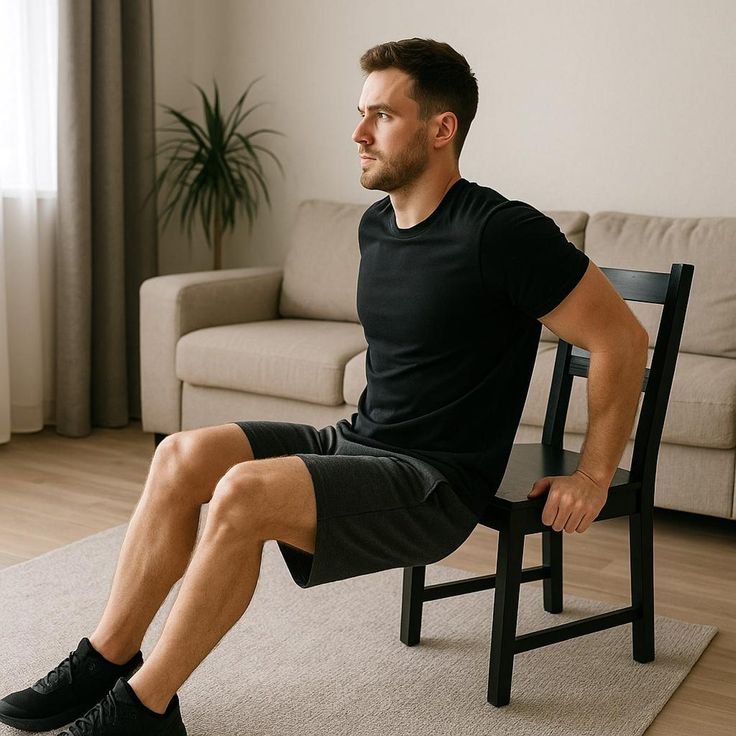
  • Push-ups
  • Lunges
  • Planks
  • Jumping jacks
  • Mountain climbers

These exercises improve strength and endurance without requiring equipment.

Step 4: Focus on Proper Form

Good form reduces injury risk and improves workout effectiveness.

Tips for Proper Form

  • Move slowly
  • Avoid rushing repetitions
  • Watch instructional videos
  • Maintain controlled breathing

Step 5: Use Progressive Overload

As your fitness improves, gradually increase workout difficulty.

Ways to Progress

  • Increase repetitions
  • Add more sets
  • Reduce rest time
  • Use resistance bands
  • Increase workout duration

Step 6: Prioritize Recovery

Recovery is essential for muscle repair and long-term consistency.

Recovery Tips

  • Sleep properly
  • Stretch regularly
  • Stay hydrated
  • Eat nutritious meals
  • Avoid overtraining

Ghanaian Context

Many people in Ghana use limited home space for workouts because gym memberships may be expensive. Bodyweight training, walking, and outdoor exercise are practical and affordable fitness solutions.

Even simple routines performed consistently can improve physical health significantly.

Step 7: Stay Motivated

Motivation may fluctuate, so building discipline is important.

Motivation Strategies

  • Track progress
  • Set realistic goals
  • Celebrate small wins
  • Exercise with friends
  • Follow fitness communities online

Practical Tools and Resources

Helpful Apps

  • Nike Training Club
  • Google Fit
  • Home Workout Apps
  • Step trackers

Helpful Equipment

  • Resistance bands
  • Skipping rope
  • Exercise mat
  • Dumbbells

Common Beginner Mistakes

Mistakes to Avoid

  • Doing too much too soon
  • Ignoring recovery
  • Comparing yourself to others
  • Skipping warm-ups
  • Inconsistent routines

Frequently Asked Questions

Can I get fit without a gym?

Yes. Home workouts can improve strength, endurance, and overall fitness.

How long should workouts last?

Most beginner workouts can last between 20 and 60 minutes.

How often should beginners exercise?

Three to five sessions weekly are usually effective.

Do home workouts build muscle?

Yes. Progressive overload and consistency support muscle growth.

Conclusion

A successful home workout routine should be realistic, sustainable, and consistent.

You do not need expensive equipment or advanced techniques to improve your health. Small, consistent efforts can produce major long-term results.

Call to Action

Start your fitness journey today by completing your first 20-minute home workout session and committing to regular weekly exercise.