


Scaling a small business is an exciting yet challenging phase. Growth requires careful planning, resources, and smart strategies to increase revenue, expand operations, and reach more customers without sacrificing quality. Many entrepreneurs dream of scaling but struggle with execution.
In this article, we’ll explore effective strategies to scale your small business successfully.
Why Scaling Matters
Scaling allows your business to:
Increase revenue and market share
Reach a larger audience
Improve operational efficiency
Build a stronger brand presence
Mini-Story:
Sophia, a handmade jewelry business owner, scaled her business by expanding online and outsourcing production. Sales and brand visibility grew rapidly without compromising quality.
Step 1: Assess Your Business Readiness
Before scaling, ensure your business is stable and prepared.
Indicators of readiness:
Consistent cash flow
Reliable product or service quality
Clear operational processes
Satisfied customer base
Mini-Story:
Emma, a fitness coach, evaluated her existing online program. She ensured her content delivery and client management systems could handle more clients before expanding.
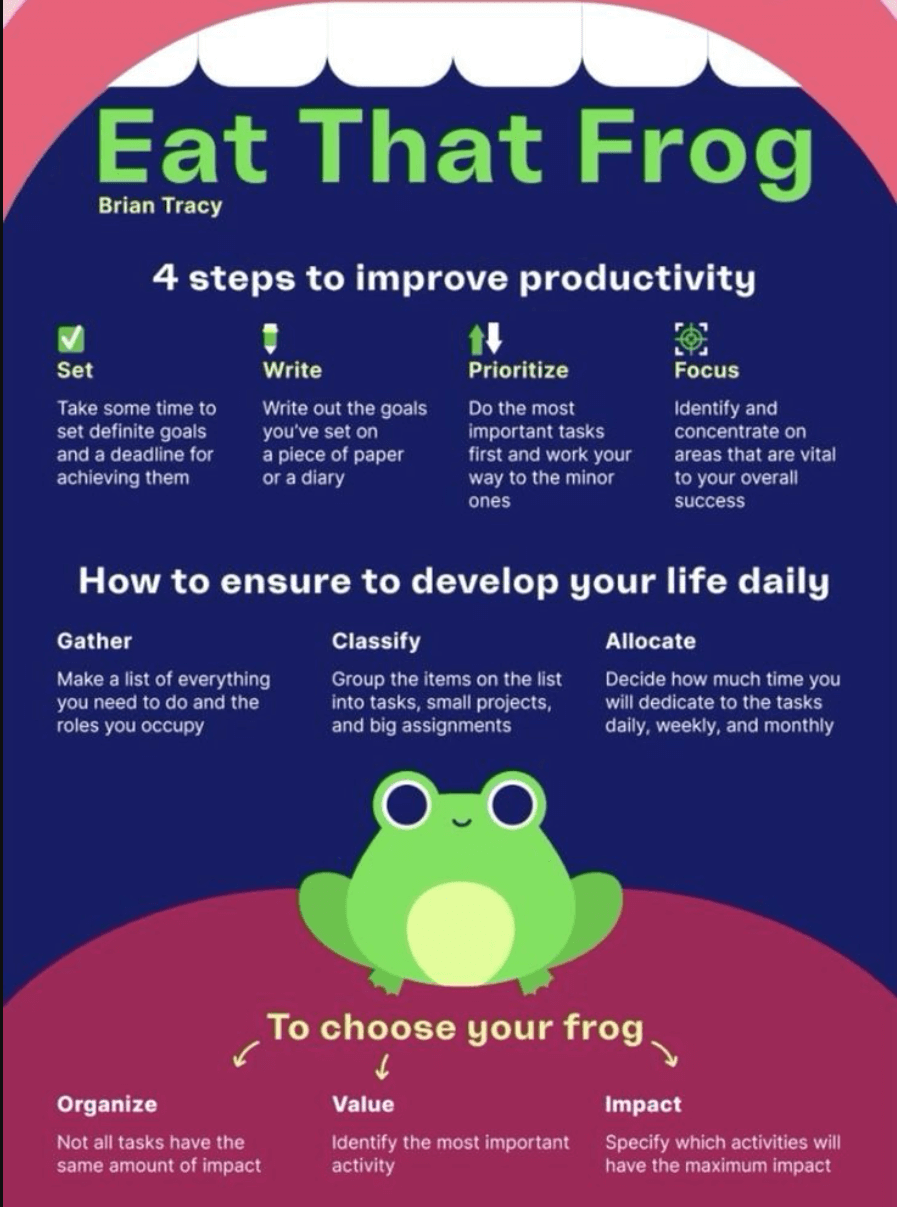
Step 2: Set Clear Growth Goals
Goals give direction and help measure success.
Tips:
Define revenue targets, market expansion plans, or customer acquisition goals
Break down long-term goals into smaller, achievable milestones
Review and adjust goals regularly
Mini-Story:
Liam aimed to double online sales within six months. He set weekly targets for marketing campaigns, product launches, and customer engagement.
Step 3: Understand Your Market and Competition
Scaling without understanding your market can lead to failure.
Tips:
Conduct market research to identify demand and trends
Analyze competitors to identify gaps and opportunities
Understand customer preferences and behavior
Mini-Story:
Rachel researched local bakery trends before opening a second location. She identified popular products and pricing strategies that ensured success.
Step 4: Strengthen Your Team
A strong team is crucial for scaling efficiently.
Tips:
Hire skilled employees or freelancers as needed
Delegate responsibilities to focus on growth strategies
Invest in training and development
Mini-Story:
Sophia hired additional artisans and a marketing assistant. Delegating production and marketing allowed her to focus on strategy and expansion.
Step 5: Streamline Operations
Efficient operations reduce costs and prepare your business for growth.
Strategies:
Automate repetitive tasks (inventory, billing, social media)
Optimize supply chain and logistics
Implement standard operating procedures (SOPs)
Mini-Story:
Emma automated client scheduling and payments. The efficiency allowed her to handle more clients without compromising quality.
Step 6: Diversify Products or Services
Expanding offerings can attract new customers and increase revenue.
Tips:
Add complementary products or services
Test new offerings with small pilot programs
Use customer feedback to refine ideas
Mini-Story:
Liam expanded his electronics store to include accessories and repair services. Existing customers appreciated the convenience, and revenue increased.
Step 7: Leverage Marketing and Sales Channels
Effective marketing drives awareness and sales during scaling.
Strategies:
Use social media, email, and content marketing
Explore paid advertising for targeted growth
Collaborate with influencers or partner brands
Mini-Story:
Rachel partnered with local cafes to sell her bakery products. Combined with social media campaigns, this strategy significantly increased her reach and sales.
Step 8: Monitor Financial Health
Scaling requires financial discipline to ensure sustainability.
Tips:
Track cash flow, expenses, and revenue carefully
Maintain a budget for expansion activities
Consider funding options like loans, grants, or investors
Mini-Story:
Sophia tracked production costs and reinvested profits strategically. She avoided unnecessary expenses, ensuring a sustainable scale-up.
Step 9: Focus on Customer Experience
Happy customers drive growth through repeat business and referrals.
Tips:
Maintain quality as you expand
Provide excellent customer support
Collect feedback and make improvements
Mini-Story:
Emma continued offering personalized coaching and check-ins even as her client base grew. Retention remained high due to consistent quality.
Step 10: Measure and Adjust Strategies
Scaling requires continuous evaluation and adaptation.
Tips:
Use key performance indicators (KPIs) to track progress
Adjust strategies based on data and feedback
Celebrate successes but learn from failures
Mini-Story:
Liam monitored weekly sales, ad performance, and customer engagement. Insights helped him optimize marketing and inventory, boosting growth steadily.
Final Motivation
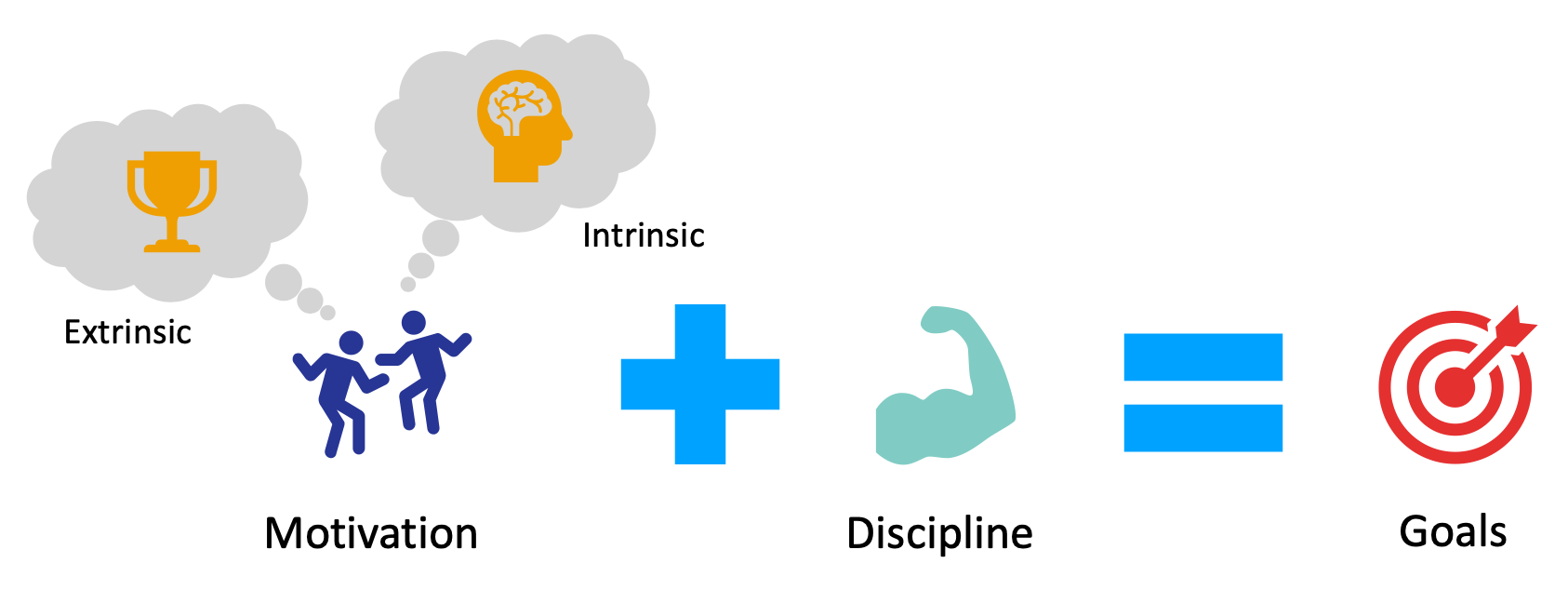
Scaling your small business is achievable with planning, discipline, and smart strategies. Focus on:
Assessing readiness and setting clear goals
Strengthening your team and streamlining operations
Diversifying offerings and leveraging marketing channels
Maintaining customer experience and monitoring performance
Action Step: Review one area of your business today that can be optimized for growth. Implement one change this week. Small, strategic improvements build the foundation for long-term success.