

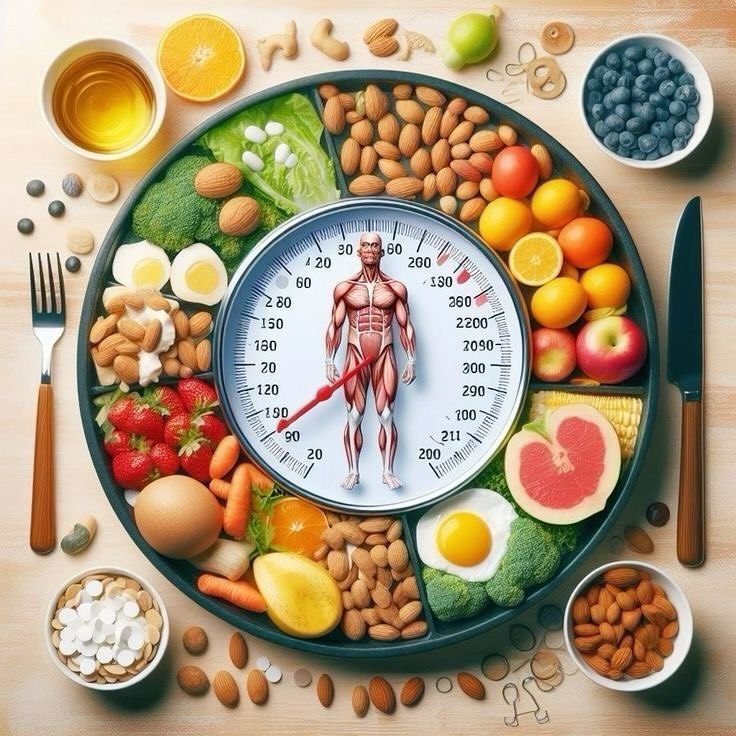
Eating healthy is often presented as a simple formula: eat vegetables, avoid junk food, and exercise regularly. While the concept is straightforward, maintaining healthy eating habits consistently is a challenge for many people. Busy schedules, stress, cravings, and social pressures often make it difficult to stick to a balanced diet. The key is not perfection—it’s sustainability. By building habits that fit your lifestyle, you can enjoy long-term health, energy, and well-being.
This guide will show you step-by-step how to develop healthy eating habits that last, while still enjoying food and life.
Why Healthy Eating Matters
A balanced diet impacts nearly every aspect of your life:
- Physical health: reduces risk of obesity, diabetes, heart disease, and other chronic conditions
- Mental health: improves mood, concentration, and memory
- Energy levels: provide consistent energy throughout the day
- Longevity: supports a longer, healthier life
- Weight management: helps maintain a healthy body weight
When approached sustainably, healthy eating becomes a lifestyle rather than a temporary fix.
Step 1: Set Realistic and Personalized Goals
Start by understanding your body, lifestyle, and needs.
Questions to ask yourself:
- What are my current eating habits?
- Which areas need improvement?
- How much time can I realistically dedicate to meal planning and prep?
- Are there specific health concerns to address?
Avoid overly restrictive goals, like “I’ll only eat salads for a month.” Small, realistic changes are easier to maintain.
Tip:
Aim for gradual improvements, like adding one extra serving of vegetables per day or replacing sugary drinks with water.
Step 2: Understand Macronutrients and Micronutrients
A sustainable diet balances the essential nutrients your body needs:
- Proteins: support muscle growth and repair
- Carbohydrates: primary energy source for daily activity
- Fats: necessary for hormone production and brain function
- Vitamins and minerals: strengthen immunity and support metabolism
Learn which foods provide these nutrients. For example:
- Protein: eggs, chicken, beans, tofu
- Carbs: whole grains, fruits, vegetables
- Healthy fats: avocado, nuts, olive oil
- Micronutrients: leafy greens, berries, seeds
Balance is more important than eliminating entire food groups.
Step 3: Plan Your Meals
Meal planning reduces reliance on fast food and unhealthy snacks.
Steps to effective planning:
- Set aside a specific day/time to plan your meals for the week
- Include a mix of proteins, carbs, fats, and vegetables in each meal
- Make a shopping list to avoid impulse purchases
- Prep ingredients or cook in batches to save time
Even small prep efforts, like chopping vegetables in advance, can make healthy eating much easier.
Step 4: Practice Mindful Eating
Mindful eating helps you enjoy food and avoid overeating.
Tips:
- Eat slowly and savor each bite
- Focus on your meal without distractions like TV or phones
- Listen to hunger cues and stop when full
- Notice how different foods make you feel
Mindful eating helps reduce cravings and improve digestion, making healthy habits more sustainable.
Step 5: Make Gradual Swaps
Healthy eating isn’t about eliminating everything you love. Make gradual swaps instead:
- Replace white bread with whole-grain bread
- Swap soda for sparkling water or herbal tea
- Use olive oil instead of butter
- Add vegetables to dishes you already enjoy
These small changes add up over time without creating feelings of deprivation.
Step 6: Keep Healthy Snacks Accessible
Unhealthy snacking often comes from convenience.
Solutions:
- Keep fruits, nuts, and yogurt available
- Prepare single-serving portions for busy days
- Avoid keeping junk food in easy-to-reach spots
- Pair snacks with protein or fiber to stay full longer
Having healthy options on hand makes good choices easier.
Step 7: Hydrate Properly
Water is essential for overall health and can even aid in weight management.
Tips:
- Drink at least 8 cups of water daily (adjust for activity level)
- Drink a glass before meals to reduce overeating
- Replace sugary drinks with water, tea, or infused water
- Monitor urine color—light yellow usually indicates proper hydration
Proper hydration supports energy, digestion, and mental clarity.
Step 8: Learn to Manage Cravings
Cravings are natural and don’t have to derail your progress.
Strategies:
- Identify triggers: stress, boredom, social situations
- Have healthier alternatives ready
- Allow occasional indulgence in moderation
- Use distraction techniques like walking or calling a friend
The goal is balance, not restriction, to prevent bingeing.
Step 9: Track Progress and Adjust
Tracking doesn’t mean obsessing over calories—it’s about awareness.
Ways to track:
- Food journal for one week
- Note energy levels and mood after meals
- Adjust portions or food types based on what works for you
Reflecting on progress motivates you and helps refine sustainable habits.
Step 10: Build a Supportive Environment
Your environment influences choices:
- Involve family or roommates in healthy meals
- Join online or local nutrition groups
- Follow motivational and educational content
- Keep reminders in your kitchen or fridge
Supportive surroundings make adherence easier and enjoyable.
Step 11: Be Flexible and Forgiving
Life happens. Missing a meal plan or indulging occasionally doesn’t mean failure.
Principles:
- Focus on consistency, not perfection
- Learn from slip-ups without guilt
- Get back on track immediately
Sustainable habits thrive on resilience, not rigidity.
Common Mistakes to Avoid
- Setting unrealistic goals
- Ignoring nutrient balance
- Skipping meals frequently
- Over-restricting or eliminating food groups
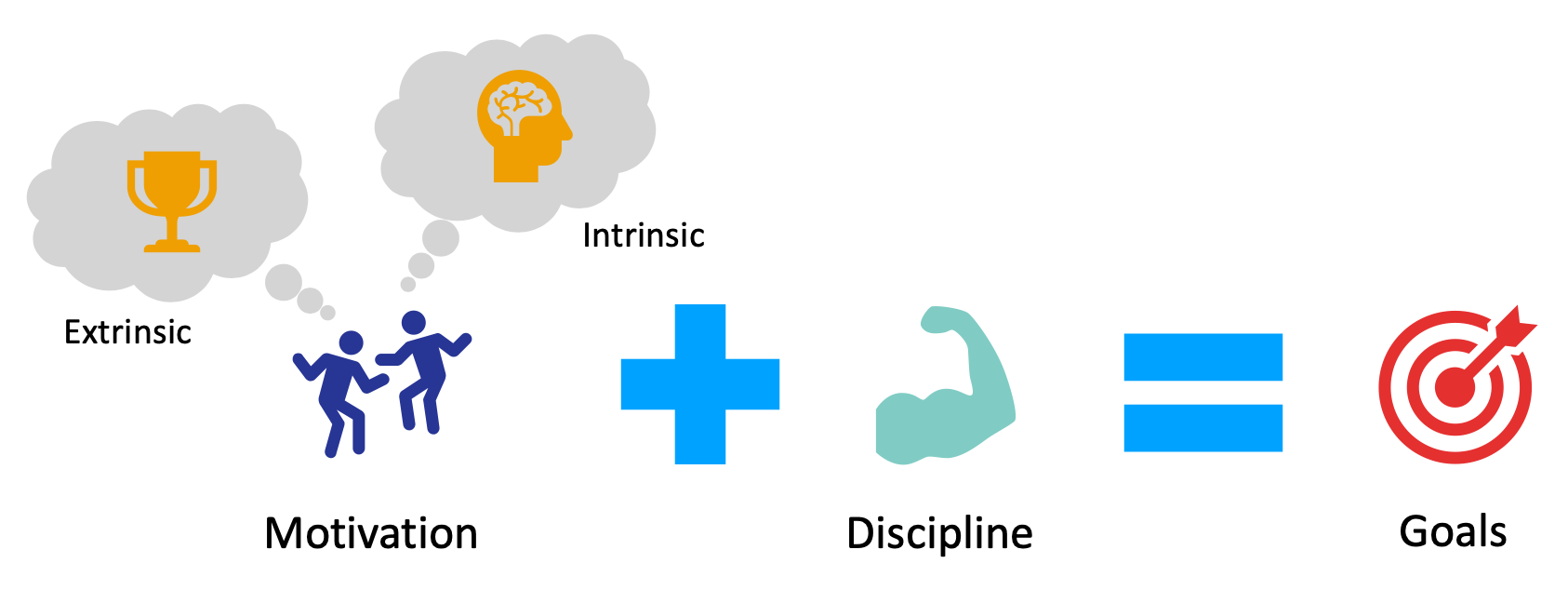
- Relying solely on motivation instead of building habits
Avoiding these mistakes ensures progress without burnout.
How Sustainable Healthy Eating Improves Your Life
Long-term benefits include:
- Steady energy and improved productivity
- Better mood and mental clarity
- Reduced risk of chronic diseases
- Improved sleep quality
- Enhanced confidence and body image
Healthy eating is a foundation for an empowered lifestyle.
Final Motivation
Developing healthy eating habits is a journey, not a destination. Small, consistent changes make a lasting impact. Remember, it’s not about perfection—it’s about progress. By following these steps, you’re investing in your health, energy, and happiness for years to come.
Action step:
Start today by planning one healthy meal or swapping one unhealthy snack. Small steps create sustainable results.