

Main Keyword Focus
Healthy eating habits
Introduction
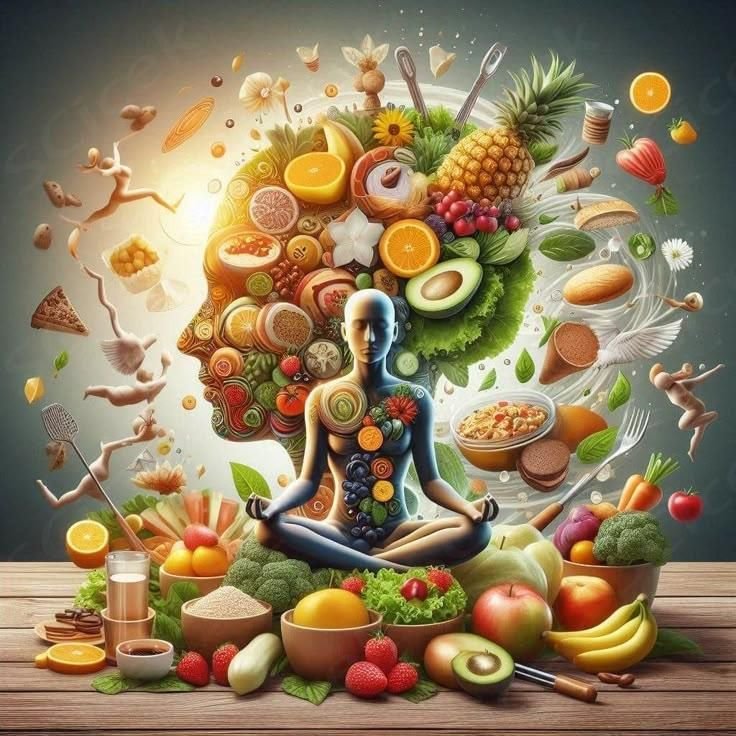
Healthy eating is one of the most important investments you can make in your long-term health. However, many people struggle to maintain good eating habits because of busy schedules, emotional eating, unhealthy food environments, lack of meal planning, and increasing dependence on processed foods.
In Ghana, fast food consumption has increased significantly, especially in urban areas like Accra and Kumasi. Many people rely on fried foods, sugary drinks, and highly processed meals because they are convenient and easily accessible.
Unfortunately, poor eating habits may contribute to obesity, diabetes, high blood pressure, low energy levels, poor digestion, and reduced overall wellness.
The good news is that healthy eating does not require extreme dieting or unrealistic restrictions. Sustainable, healthy eating habits are built through small, consistent lifestyle improvements.
This guide explains practical ways to build healthier eating habits that support long-term wellness.
Why Healthy Eating Matters
Healthy nutrition affects nearly every area of your life.
Benefits of Healthy Eating
- Improved energy levels
- Better digestion
- Stronger immunity
- Better concentration
- Healthy weight management
- Improved mood
- Better long-term health
Step 1: Start With Small Changes
One of the biggest mistakes people make is trying to change everything immediately.
Extreme diets are difficult to maintain and often lead to frustration.
Better Approach
Focus on small improvements such as the following:
- Drinking more water
- Reducing sugary drinks
- Eating more vegetables
- Reducing excessive fried foods
- Cooking more homemade meals
Small changes are easier to maintain consistently.
Step 2: Plan Your Meals
Meal planning helps reduce unhealthy food decisions.
Without planning, many people rely on convenience foods and fast food.
Benefits of Meal Planning
- Saves money
- Reduces stress
- Improves nutrition
- Helps portion control
- Reduces impulsive eating
Simple Meal Planning Tips
- Plan meals weekly
- Buy groceries with a list
- Prepare ingredients ahead
- Cook in batches when possible
Step 3: Eat More Whole Foods
Whole foods provide more nutrients and fewer unhealthy additives.
Healthy Whole Foods
- Fruits
- Vegetables
- Beans
- Brown rice
- Plantain
- Yam
- Millet
- Oats
- Lean proteins
Ghanaian Context
Traditional Ghanaian foods can support healthy living when prepared properly.
Nutritious Ghanaian Foods
- Kontomire stew
- Beans stew
- Garden eggs stew
- Boiled yam
- Plantain
- Brown rice
- Fresh fruits
The key is moderation and balanced preparation.
Step 4: Reduce Sugary Drinks
Sugary beverages contribute significantly to unhealthy calorie intake.
Better Drink Options
- Water
- Coconut water
- Homemade smoothies
- Unsweetened tea
- Natural fruit-infused water
Step 5: Control Portion Sizes
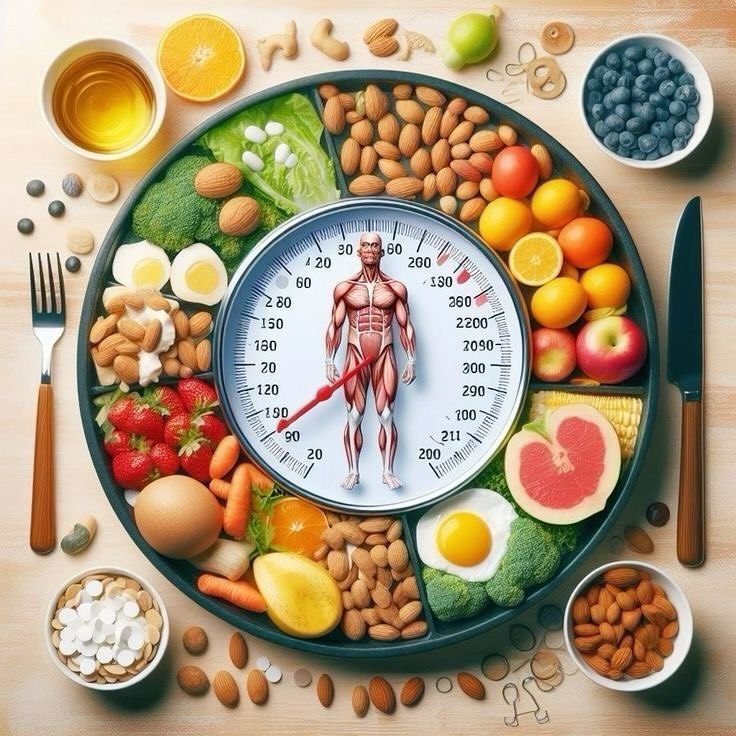
Healthy eating is not only about what you eat but also how much you eat.
Portion Control Tips
- Eat slowly
- Avoid overeating
- Use smaller plates
- Stop eating when satisfied
Step 6: Avoid Emotional Eating
Stress, boredom, loneliness, and anxiety often trigger unhealthy eating.
Better Coping Strategies
- Walking
- Journaling
- Exercise
- Talking to supportive friends
- Relaxation techniques
Step 7: Stay Consistent
Consistency matters more than perfection.
Occasional unhealthy meals will not destroy your progress. Focus on long-term habits instead of temporary perfection.
Practical Tools and Resources
Helpful Apps
- MyFitnessPal
- Water Reminder Apps
- Meal Planner Apps
Useful Resources
- Local fresh food markets
- Healthy recipe blogs
- Nutrition tracking journals
Common Healthy Eating Mistakes
Mistakes to Avoid
- Skipping meals excessively
- Following extreme diets
- Ignoring hydration
- Eating too quickly
- Relying heavily on processed foods
Frequently Asked Questions
Is healthy eating expensive?
Not always. Many local whole foods are affordable and nutritious.
Can I still eat my favorite foods?
Yes. Balance and moderation are important.
How long does it take to build healthy habits?
Consistency over several weeks usually helps establish lasting routines.
Are traditional Ghanaian foods healthy?
Many traditional meals are nutritious when prepared in balance.
Conclusion
Healthy eating is not about perfection. It is about building sustainable habits that improve long-term wellness.
Small daily improvements can create major long-term health benefits.
Call to Action
Start improving your eating habits today by replacing one unhealthy food or drink choice with a healthier alternative.