How to Build Better Hydration Habits

Main Keyword Focus

Build better hydration habits

Learn how to develop healthy hydration habits that improve energy, digestion, focus, and overall wellness.

Introduction

Water is essential for life. It supports digestion, circulation, temperature regulation, brain function, and overall health.

Despite its importance, many people do not drink enough water daily.

In Ghana’s warm climate, maintaining proper hydration is especially important.

Benefits of Staying Hydrated

Adequate hydration can:

  • Improve energy levels
  • Support digestion
  • Enhance concentration
  • Reduce headaches
  • Improve physical performance

Step 1: Start the Day With Water

Drink a glass of water shortly after waking up.

Step 2: Carry a Water Bottle

Keeping water nearby encourages regular drinking.

Step 3: Set Hydration Reminders

Use phone alerts or apps.

Step 4: Eat Water-Rich Foods

Examples:

  • Watermelon
  • Cucumbers
  • Oranges
  • Pineapples

Step 5: Replace Sugary Drinks

Choose:

  • Water
  • Coconut water
  • Herbal tea

Step 6: Monitor Hydration

Signs of adequate hydration include:

  • Light-colored urine
  • Consistent energy
  • Reduced thirst

Ghanaian Context

Hot weather, outdoor work, and physical activity increase water needs significantly.

Practical Tools

  • Water reminder apps
  • Reusable water bottles
  • Hydration trackers

FAQs

How much water should I drink daily?

Needs vary, but many adults benefit from approximately 2–3 liters daily.

Can coffee count toward hydration?

It contributes some fluids but should not replace water.

Conclusion

Hydration is one of the simplest ways to improve health and wellbeing.

Call to Action

Carry a reusable water bottle with you every day for the next week.

How to Improve Your Posture Naturally

Female sleep posture comparison

Main Keyword Focus

Improve posture naturally

Learn how to improve posture naturally through exercise, stretching, workspace adjustments, and daily habits.

Introduction

Poor posture is becoming increasingly common because of long hours spent sitting, using smartphones, and working on computers.

Bad posture can contribute to:

  • Neck pain
  • Back pain
  • Headaches
  • Reduced mobility
  • Muscle tension

Fortunately, posture can improve through consistent habits and simple exercises.

Why Good Posture Matters

Good posture helps:

  • Reduce pain
  • Improve breathing
  • Increase confidence
  • Improve physical performance

Step 1: Become Aware of Your Posture

Notice how you sit, stand, and walk.

Questions to Ask

  • Are your shoulders slouched?
  • Is your head leaning forward?
  • Are you sitting correctly?

Step 2: Strengthen Core Muscles

Strong core muscles support proper alignment.

Helpful Exercises

  • Planks
  • Bridges
  • Bird-dogs

Step 3: Stretch Regularly

Stretching improves flexibility and reduces tension.

Key Areas

  • Chest
  • Neck
  • Shoulders
  • Hip flexors

Step 4: Improve Your Workspace

Adjust:

  • Chair height
  • Screen position
  • Keyboard placement

Step 5: Reduce Phone Neck

Avoid looking down at phones constantly.

Better Habit

Hold devices closer to eye level.

Ghanaian Context

Many office workers, students, and drivers spend long periods sitting. Regular movement breaks are essential.

Practical Tools

  • Ergonomic chairs
  • Lumbar supports
  • Posture reminder apps

FAQs

Can posture improve at any age?

Yes. Consistent effort can improve posture significantly.

How long does improvement take?

Many people notice progress within a few weeks.

Conclusion

Improving posture naturally requires awareness, strengthening exercises, and healthy movement habits.

Call to Action

Practice one posture-improving exercise daily this week.

Best Healthy Snacks for Busy Professionals

Main Keyword Focus

Healthy snacks for busy professionals

Discover healthy snack ideas that provide energy, improve focus, and support wellness for busy professionals.

Introduction

Busy schedules often make healthy eating difficult. Many professionals rely on convenience foods, fast food, and sugary snacks because they are quick and accessible.

Unfortunately, unhealthy snacking can contribute to weight gain, low energy, and reduced productivity.

Choosing nutritious snacks can help maintain energy levels throughout the day.

Why Healthy Snacks Matter

Healthy snacks can:

  • Prevent overeating
  • Improve concentration
  • Support weight management
  • Maintain energy levels

Best Healthy Snack Options

1. Fresh Fruits

Examples:

  • Apples
  • Oranges
  • Bananas
  • Mangoes

2. Nuts

Examples:

  • Groundnuts
  • Almonds
  • Cashews

3. Boiled Eggs

Benefits:

  • High protein
  • Portable
  • Filling

4. Yogurt

Choose low-sugar options.

5. Vegetable Sticks

Examples:

  • Carrots
  • Cucumbers

Snack Planning Tips

  • Prepare snacks in advance
  • Carry healthy options to work
  • Avoid vending-machine temptations

Ghanaian Context

Many professionals spend long hours in traffic and offices. Preparing healthy snacks beforehand helps avoid unhealthy food choices.

Practical Tools

  • Food containers
  • Meal prep planners
  • Nutrition apps

FAQs

How often should I snack?

Depending on hunger levels and activity, one or two healthy snacks may be sufficient.

Are nuts healthy?

Yes, when consumed in moderation.

Conclusion

Healthy snacks help support energy, productivity, and overall wellness.

Call to Action

Prepare healthy snacks for your next workday instead of purchasing processed alternatives.

How to Reduce Sugar Intake Safely

Main Keyword Focus

Reduce sugar intake safely

Learn how to reduce sugar consumption safely and sustainably while improving energy, weight management, and overall health.

Introduction

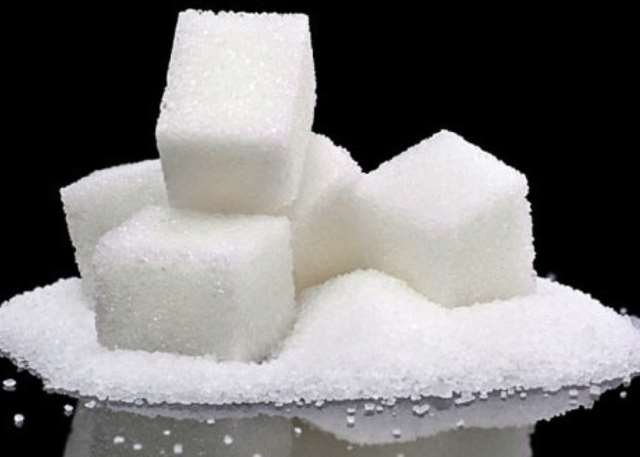
Sugar is present in many foods and beverages consumed daily. While small amounts are acceptable, excessive sugar intake can contribute to obesity, diabetes, heart disease, dental problems, and energy crashes.

Many people consume large amounts of sugar without realizing it. Soft drinks, packaged snacks, pastries, sweetened beverages, and processed foods often contain hidden sugars.

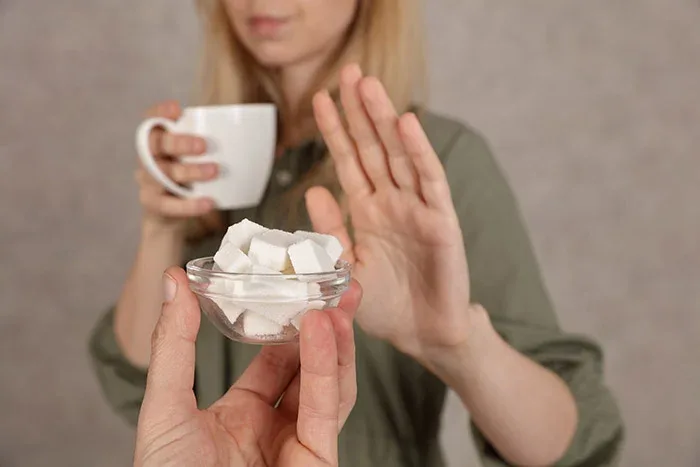
Reducing sugar intake does not mean eliminating all enjoyable foods. Instead, it involves making healthier choices and building sustainable habits.

Why Excess Sugar Is a Problem

High sugar consumption may lead to:

  • Weight gain
  • Increased diabetes risk
  • Tooth decay
  • Energy fluctuations
  • Increased hunger

Step 1: Identify Hidden Sugars

Read food labels carefully.

Common Sources

  • Soft drinks
  • Fruit juices
  • Breakfast cereals
  • Biscuits
  • Sweetened yogurt

Step 2: Reduce Sugary Drinks

Sugary beverages are one of the largest sources of added sugar.

Better Alternatives

  • Water
  • Coconut water
  • Herbal tea
  • Fruit-infused water

Step 3: Choose Whole Fruits

Whole fruits provide fiber and nutrients.

Ghanaian Fruit Options

  • Mangoes
  • Oranges
  • Pineapples
  • Bananas
  • Watermelon

Step 4: Reduce Gradually

Sudden changes may be difficult.

Example

Reduce sugar in tea gradually over several weeks.

Step 5: Eat More Protein and Fiber

These nutrients help reduce cravings.

Examples

  • Beans
  • Eggs
  • Fish
  • Vegetables
  • Oats

Ghanaian Context

Many popular drinks and snacks contain significant sugar. Choosing fresh fruits and homemade beverages can help reduce intake.

Practical Tools

  • Nutrition apps
  • Food journals
  • Meal planners

FAQs

Is fruit sugar unhealthy?

Whole fruits contain beneficial nutrients and fiber.

How long does it take to reduce sugar cravings?

Most people notice improvement within a few weeks.

Conclusion

Reducing sugar intake gradually is more sustainable than extreme restrictions.

Call to Action

Replace one sugary drink with water today.

How to Stay Healthy During Harmattan

Main Keyword Focus

Stay healthy during Harmattan

Learn practical ways to stay healthy during the Harmattan season in Ghana by protecting your skin, lungs, hydration levels, and overall wellbeing.

Introduction

The Harmattan season brings dry, dusty winds across Ghana and much of West Africa. While many people enjoy the cooler temperatures, Harmattan can create health challenges.

Common issues include:

  • Dry skin
  • Chapped lips
  • Respiratory discomfort
  • Eye irritation
  • Dehydration

Step 1: Stay Hydrated

The dry air increases fluid loss.

Recommendations

  • Drink water regularly
  • Carry a water bottle
  • Reduce sugary beverages

Step 2: Protect Your Skin

Use:

  • Moisturizers
  • Shea butter
  • Lip balm

Step 3: Reduce Dust Exposure

Protective Measures

  • Wear face masks when necessary
  • Keep windows closed during dusty periods
  • Clean living spaces regularly

Step 4: Eat Nutrient-Rich Foods

Support immunity through:

  • Fruits
  • Vegetables
  • Healthy proteins

Step 5: Protect Your Eyes

Dust may irritate the eyes.

Helpful Tips

  • Wear sunglasses outdoors
  • Avoid rubbing eyes
  • Use clean water for rinsing

Ghanaian Context

Northern Ghana and parts of the savannah zone often experience stronger Harmattan conditions, making preventive measures especially important.

Practical Tools

  • Water bottles
  • Moisturizers
  • Humidifiers
  • Face masks

FAQs

Why does Harmattan cause dry skin?

The air contains very little moisture.

Can Harmattan affect breathing?

Yes. Dust particles may irritate the respiratory system.

Conclusion

Simple preventive measures can help you stay healthy throughout the Harmattan season.

Call to Action

Prepare a personal Harmattan wellness kit before the season begins.

How to Improve Digestion Naturally

Main Keyword Focus

Improve digestion natural

Discover practical ways to improve digestion naturally through healthy eating, hydration, exercise, and lifestyle habits.

Introduction

Good digestion is essential for overall health. Your digestive system helps break down food, absorb nutrients, and eliminate waste. When digestion functions properly, you experience more energy, better nutrient absorption, and improved wellbeing.

Unfortunately, digestive problems such as bloating, constipation, indigestion, and stomach discomfort are becoming increasingly common.

Common Causes of Poor Digestion

  • Low fiber intake
  • Dehydration
  • Poor eating habits
  • Stress
  • Lack of physical activity
  • Excessive processed foods

Step 1: Increase Fiber Intake

Fiber supports healthy digestion.

Fiber-Rich Foods

  • Beans
  • Fruits
  • Vegetables
  • Oats
  • Brown rice

Step 2: Drink More Water

Water helps food move through the digestive tract.

Recommended Goal

6–8 glasses daily or more depending on activity level.

Step 3: Eat Slowly

Eating too quickly may cause:

  • Bloating
  • Indigestion
  • Overeating

Step 4: Exercise Regularly

Physical activity helps stimulate digestion.

Recommended Activities

  • Walking
  • Jogging
  • Stretching
  • Cycling

Step 5: Reduce Stress

Stress affects digestive health significantly.

Helpful Practices

  • Prayer
  • Meditation
  • Deep breathing
  • Relaxation exercises

Ghanaian Context

Many traditional Ghanaian foods such as beans, kontomire, garden eggs, and fruits naturally support digestive health.

Practical Tools

  • Water reminder apps
  • Food journals
  • Nutrition tracking apps

FAQs

What foods improve digestion?

Fiber-rich foods, fruits, vegetables, and whole grains.

Can stress affect digestion?

Yes. Stress often contributes to digestive discomfort.

Conclusion

Healthy digestion depends on consistent healthy lifestyle habits.

Call to Action

Add one additional fiber-rich food to your meals this week.

How to Improve Heart Health Naturally

Main Keyword Focus

Improve heart health naturally

Introduction

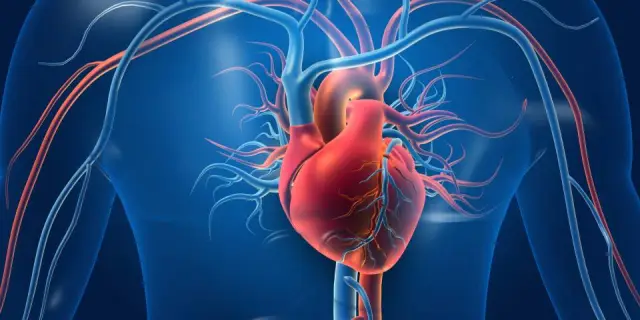
Heart disease is becoming increasingly common worldwide. Lifestyle choices significantly influence heart health.

The good news is that many risk factors are preventable.

Why Heart Health Matters

A healthy heart:

  • Pumps blood efficiently
  • Supports energy levels
  • Reduces disease risk
  • Improves longevity

Step 1: Improve Nutrition

Reduce:

  • Excess sugar
  • Excess salt
  • Processed foods

Increase:

  • Fruits
  • Vegetables
  • Whole grains

Step 2: Exercise Consistently

Aim for:

  • Walking
  • Jogging
  • Cycling
  • Swimming

At least 150 minutes weekly.

Step 3: Maintain Healthy Weight

Healthy weight reduces heart strain.

Step 4: Avoid Smoking

Smoking significantly increases cardiovascular risks.

Step 5: Manage Stress

Chronic stress may increase blood pressure.

Step 6: Monitor Blood Pressure

Regular checks help identify problems early.

Ghanaian Context

High consumption of salty processed foods and sedentary lifestyles contribute to growing cardiovascular risks.

Practical Tools

  • Blood pressure monitors
  • Fitness trackers
  • Nutrition apps

FAQs

What foods support heart health?

Vegetables, fruits, beans, fish, and whole grains.

Can walking improve heart health?

Absolutely.

Conclusion

Small daily improvements significantly improve heart health.

Call to Action

Begin a daily walking habit and schedule a health checkup.


How to Stay Fit Without Going to the Gym

Main Keyword Focus

Stay fit without gym

Introduction

Many people assume fitness requires expensive gym memberships and equipment. However, staying fit is possible using simple, affordable methods.

This is especially relevant in Ghana, where busy schedules, transportation challenges, and financial limitations may prevent regular gym attendance.

Why Fitness Matters

Regular physical activity helps:

  • Improve heart health
  • Maintain healthy weight
  • Reduce stress
  • Increase energy
  • Improve sleep

Step 1: Walk More

Walking is one of the most effective forms of exercise.

Goals

  • 7,000–10,000 steps daily
  • Walk during breaks
  • Use stairs when possible

Step 2: Perform Bodyweight Exercises

Examples include:

  • Push-ups
  • Squats
  • Lunges
  • Planks
  • Mountain climbers

Step 3: Create a Weekly Plan

Example:

  • Monday: Full body workout
  • Tuesday: Walking
  • Wednesday: Cardio
  • Thursday: Stretching
  • Friday: Strength workout
  • Saturday: Outdoor activity
  • Sunday: Recovery

Step 4: Stay Active Throughout the Day

Small movements add up.

Examples

  • Standing while working
  • Household chores
  • Gardening
  • Walking to nearby destinations

Ghanaian Context

Many neighborhoods offer opportunities for outdoor walking, football, jogging, and community fitness activities without requiring gym memberships.

Practical Tools

  • Google Fit
  • Samsung Health
  • Step trackers
  • Resistance bands

FAQs

Is walking enough?

Walking provides excellent health benefits when done consistently.

Can home workouts build muscle?

Yes, especially when progressively increased.

Conclusion

Fitness depends more on consistency than location.

Call to Action

Commit to at least 30 minutes of daily movement this week.


HOW TO LOSE WEIGHT NATURALLY AND SAFELY

Main Keyword Focus

Lose weight naturally

Introduction

Many people want to lose weight quickly, but extreme dieting and unhealthy shortcuts often create temporary results instead of long-term success.

Healthy weight loss should focus on sustainable habits rather than dangerous restrictions.

In Ghana, urban lifestyles, increased fast-food consumption, sugary drinks, and reduced physical activity have contributed to rising obesity and lifestyle-related health problems.

Natural weight loss involves improving eating habits, increasing physical activity, improving sleep, and building consistent healthy routines.

This guide explains safe and sustainable strategies for natural weight loss.

Why Healthy Weight Loss Matters

Maintaining a healthy weight may:

  • Improve energy levels
  • Reduce health risks
  • Improve confidence
  • Support heart health
  • Improve mobility
  • Reduce fatigue

Step 1: Improve Your Eating Habits

Nutrition plays a major role in weight management.

Better Nutrition Habits

  • Eat more vegetables
  • Reduce sugary drinks
  • Limit excessive fried foods
  • Eat balanced meals
  • Avoid overeating

Step 2: Increase Physical Activity

Exercise helps burn calories while improving fitness.

Helpful Exercises

  • Walking
  • Jogging
  • Home workouts
  • Dancing
  • Cycling

Ghanaian Context

Traffic congestion and sedentary office jobs reduce daily movement for many people in Accra and Kumasi. Intentional physical activity becomes increasingly important.

Step 3: Improve Sleep Quality

Poor sleep affects hormones related to hunger and cravings.

Better Sleep Habits

  • Sleep consistently
  • Reduce nighttime screen time
  • Avoid heavy late meals

Step 4: Reduce Sugary Drinks

Sugary beverages often contain excessive calories.

Better Alternatives

  • Water
  • Coconut water
  • Unsweetened tea
  • Fresh fruit-infused water

Step 5: Track Progress Realistically

Healthy weight loss takes time.

Better Progress Tracking

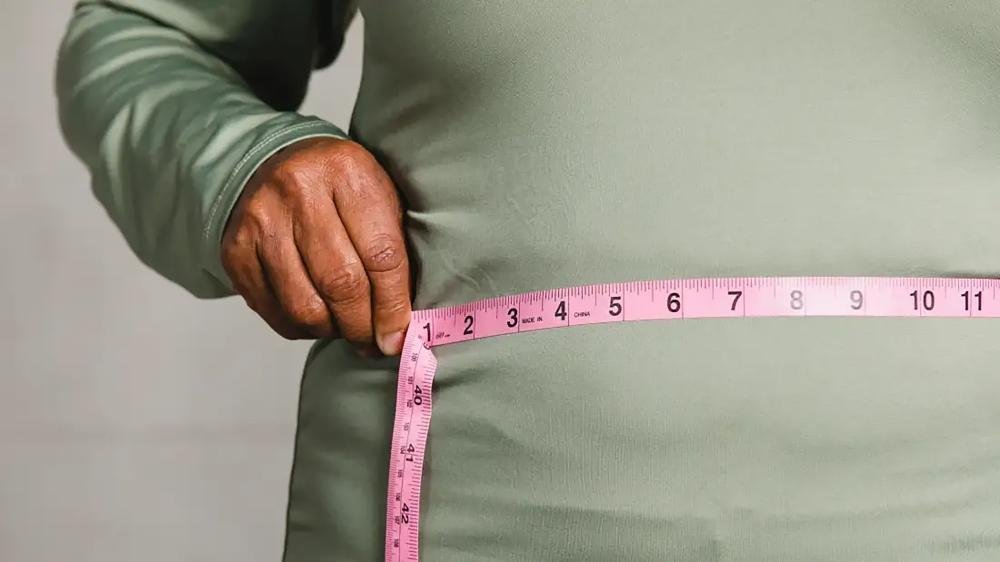
  • Take body measurements
  • Track energy improvements
  • Monitor consistency instead of perfection

Step 6: Avoid Crash Diets

Extreme diets are difficult to maintain and may harm health.

Better Approach

Focus on long-term lifestyle improvements.

Practical Tools and Resources

Helpful Apps

  • MyFitnessPal
  • Google Fit
  • Step trackers

Helpful Equipment

  • Exercise mats
  • Resistance bands
  • Skipping ropes

Common Weight Loss Mistakes

Mistakes to Avoid

  • Skipping meals excessively
  • Following unrealistic diets
  • Ignoring sleep
  • Expecting instant results

Frequently Asked Questions

How fast should healthy weight loss happen?

Gradual and consistent weight loss is usually healthier.

Is walking effective for weight loss?

Yes. Walking consistently supports fat loss and fitness.

Are crash diets safe?

Most extreme diets are difficult to sustain and may affect health negatively.

Conclusion

Natural weight loss requires patience, consistency, and healthy daily habits.

Sustainable lifestyle improvements create better long-term results than temporary extreme methods.

Call to Action

Start your healthy weight-loss journey today by making one realistic nutrition or exercise improvement.

HOW TO BUILD HEALTHY EATING HABITS THAT LAST

Main Keyword Focus

Healthy eating habits

Introduction

Healthy eating is one of the most important investments you can make in your long-term health. However, many people struggle to maintain good eating habits because of busy schedules, emotional eating, unhealthy food environments, lack of meal planning, and increasing dependence on processed foods.

In Ghana, fast food consumption has increased significantly, especially in urban areas like Accra and Kumasi. Many people rely on fried foods, sugary drinks, and highly processed meals because they are convenient and easily accessible.

Unfortunately, poor eating habits may contribute to obesity, diabetes, high blood pressure, low energy levels, poor digestion, and reduced overall wellness.

The good news is that healthy eating does not require extreme dieting or unrealistic restrictions. Sustainable, healthy eating habits are built through small, consistent lifestyle improvements.

This guide explains practical ways to build healthier eating habits that support long-term wellness.

Why Healthy Eating Matters

Healthy nutrition affects nearly every area of your life.

Benefits of Healthy Eating

  • Improved energy levels
  • Better digestion
  • Stronger immunity
  • Better concentration
  • Healthy weight management
  • Improved mood
  • Better long-term health

Step 1: Start With Small Changes

One of the biggest mistakes people make is trying to change everything immediately.

Extreme diets are difficult to maintain and often lead to frustration.

Better Approach

Focus on small improvements such as the following:

  • Drinking more water
  • Reducing sugary drinks
  • Eating more vegetables
  • Reducing excessive fried foods
  • Cooking more homemade meals

Small changes are easier to maintain consistently.

Step 2: Plan Your Meals

Meal planning helps reduce unhealthy food decisions.

Without planning, many people rely on convenience foods and fast food.

Benefits of Meal Planning

  • Saves money
  • Reduces stress
  • Improves nutrition
  • Helps portion control
  • Reduces impulsive eating

Simple Meal Planning Tips

  • Plan meals weekly
  • Buy groceries with a list
  • Prepare ingredients ahead
  • Cook in batches when possible

Step 3: Eat More Whole Foods

Whole foods provide more nutrients and fewer unhealthy additives.

Healthy Whole Foods

  • Fruits
  • Vegetables
  • Beans
  • Brown rice
  • Plantain
  • Yam
  • Millet
  • Oats
  • Lean proteins

Ghanaian Context

Traditional Ghanaian foods can support healthy living when prepared properly.

Nutritious Ghanaian Foods

  • Kontomire stew
  • Beans stew
  • Garden eggs stew
  • Boiled yam
  • Plantain
  • Brown rice
  • Fresh fruits

The key is moderation and balanced preparation.

Step 4: Reduce Sugary Drinks

Sugary beverages contribute significantly to unhealthy calorie intake.

Better Drink Options

  • Water
  • Coconut water
  • Homemade smoothies
  • Unsweetened tea
  • Natural fruit-infused water

Step 5: Control Portion Sizes

Healthy eating is not only about what you eat but also how much you eat.

Portion Control Tips

  • Eat slowly
  • Avoid overeating
  • Use smaller plates
  • Stop eating when satisfied

Step 6: Avoid Emotional Eating

Stress, boredom, loneliness, and anxiety often trigger unhealthy eating.

Better Coping Strategies

  • Walking
  • Journaling
  • Exercise
  • Talking to supportive friends
  • Relaxation techniques

Step 7: Stay Consistent

Consistency matters more than perfection.

Occasional unhealthy meals will not destroy your progress. Focus on long-term habits instead of temporary perfection.

Practical Tools and Resources

Helpful Apps

  • MyFitnessPal
  • Water Reminder Apps
  • Meal Planner Apps

Useful Resources

  • Local fresh food markets
  • Healthy recipe blogs
  • Nutrition tracking journals

Common Healthy Eating Mistakes

Mistakes to Avoid

  • Skipping meals excessively
  • Following extreme diets
  • Ignoring hydration
  • Eating too quickly
  • Relying heavily on processed foods

Frequently Asked Questions

Is healthy eating expensive?

Not always. Many local whole foods are affordable and nutritious.

Can I still eat my favorite foods?

Yes. Balance and moderation are important.

How long does it take to build healthy habits?

Consistency over several weeks usually helps establish lasting routines.

Are traditional Ghanaian foods healthy?

Many traditional meals are nutritious when prepared in balance.

Conclusion

Healthy eating is not about perfection. It is about building sustainable habits that improve long-term wellness.

Small daily improvements can create major long-term health benefits.

Call to Action

Start improving your eating habits today by replacing one unhealthy food or drink choice with a healthier alternative.