


How to Start a Side Hustle While Working Full-Time

Starting a side hustle while working full-time can be both exciting and challenging. Many people want to earn extra income, pursue their passion, or eventually transition into full-time entrepreneurship. However, balancing a side hustle with a full-time job requires careful planning, discipline, and strategy.

In this article, we’ll explore how to start a side hustle effectively without compromising your main job.


Why Side Hustles Matter

A side hustle can provide:

  • Extra income for savings, investments, or debt repayment
  • Opportunity to pursue a passion project
  • Skill development and professional growth
  • Potential to transition into full-time entrepreneurship

Mini-Story:
Sophia, a marketing professional, started designing digital planners in her free time. Within months, she earned extra income, gained freelance clients, and eventually considered leaving her 9-to-5.


Step 1: Identify Your Skills and Passion

The first step is identifying a side hustle that aligns with your skills, interests, and available time.

Questions to consider:

  • What am I good at?
  • What do I enjoy doing?
  • Can this idea generate income without overwhelming me?

Mini-Story:
Emma loved baking but had no time for a full bakery business. She started selling cupcakes to coworkers and neighbors on weekends, which quickly grew into a profitable venture.


Step 2: Choose a Low-Cost or Flexible Idea

Side hustles should have low startup costs and be manageable alongside a full-time job.

Examples:

  • Freelance services (writing, design, marketing)
  • Online stores (dropshipping, print-on-demand)
  • Tutoring or coaching
  • Content creation (blogging, YouTube, social media)

Mini-Story:
Liam, a software engineer, started offering freelance web design on weekends. Minimal upfront costs allowed him to test the idea without financial risk.


Step 3: Create a Schedule

Balancing work and a side hustle requires time management.

Tips:

  • Dedicate specific hours during evenings, weekends, or lunch breaks
  • Set realistic goals for each session
  • Use productivity tools like calendars or task lists

Mini-Story:
Rachel allocated two hours every evening to her handmade jewelry side hustle. Consistent effort allowed her to complete orders efficiently without affecting her day job.


Step 4: Set Clear Goals

Having defined goals ensures you stay motivated and focused.

Tips:

  • Set weekly or monthly income targets
  • Define the number of clients, products, or projects to complete
  • Review progress regularly

Mini-Story:
Emma set a goal to sell 50 cupcakes a week. By tracking progress, she stayed motivated and gradually expanded her offerings.


Step 5: Test Your Idea

Before fully committing, test your idea to validate demand and feasibility.

Methods:

  • Sell to friends, family, or colleagues
  • Run a small online campaign
  • Collect feedback and adjust offerings

Mini-Story:
Sophia tested her digital planners with a small online audience. Positive feedback encouraged her to scale the business.


Step 6: Keep Finances Separate

Separating your side hustle finances helps track income, expenses, and profitability.

Tips:

  • Open a separate bank account for your side hustle
  • Use accounting software or spreadsheets
  • Budget for marketing, tools, and materials

Mini-Story:
Liam kept freelance earnings separate from his salary. This clarity helped him reinvest profits strategically and track growth.


Step 7: Leverage Online Tools

Technology makes side hustles more manageable and scalable.

Useful tools:

  • Canva for graphics
  • Shopify or Etsy for online stores
  • Fiverr or Upwork for freelance services
  • Social media for promotion

Mini-Story:
Rachel used Instagram to showcase her handmade jewelry. Posts and stories generated inquiries, helping her reach a larger audience efficiently.


Step 8: Manage Your Energy

Maintaining energy and focus is crucial when juggling a full-time job and a side hustle.

Tips:

  • Prioritize rest and proper nutrition
  • Avoid burnout by setting boundaries
  • Focus on high-impact tasks

Mini-Story:
Emma started her side hustle after work but ensured she got enough sleep and took short breaks. Balanced energy allowed her to sustain the business long-term.


Step 9: Build an Audience Gradually

Growing your side hustle audience helps generate steady income and opportunities.

Tips:

  • Use social media and email marketing
  • Share valuable content related to your niche
  • Engage with potential customers through comments, messages, or groups

Mini-Story:
Sophia regularly shared tips on digital planning and productivity. Her audience grew organically, leading to consistent sales and referrals.


Step 10: Plan for the Future

A successful side hustle can evolve into a full-time business.

Steps:

  • Track revenue, clients, and growth potential
  • Identify opportunities to scale
  • Prepare financially before transitioning from your full-time job

Mini-Story:
Liam’s freelance web design side hustle grew steadily over a year. With sufficient clients and income, he eventually left his full-time job to focus on his business full-time.


Final Motivation

Starting a side hustle while working full-time is achievable with planning, consistency, and focus. Focus on:

  • Choosing the right idea based on skills and interests
  • Managing time effectively
  • Testing and validating your business
  • Building an audience and scaling gradually

Action Step: Identify one side hustle idea today. Set aside three hours this week to work on it and test demand. Small consistent steps can lead to significant income and growth over time.


How to Use Email Marketing to Boost Sales

Email marketing remains one of the most effective tools for growing a business. Unlike social media, where algorithms limit reach, email allows you to communicate directly with your audience. When done correctly, it builds relationships, drives sales, and strengthens your brand.

In this article, we’ll explore how entrepreneurs can use email marketing effectively to boost sales.


Why Email Marketing Matters

Email marketing is powerful because it:

  • Reaches people directly in their inbox
  • Provides measurable results
  • Encourages repeat purchases
  • Builds loyalty and trust

Mini-Story:
Sophia, an online skincare store owner, started sending weekly newsletters with product tips and promotions. Her email campaigns generated consistent sales, more than social media promotions alone.


Step 1: Build a Quality Email List

Your success depends on the quality of your email list.

Tips:

  • Collect emails from interested customers, website visitors, or event attendees
  • Offer incentives like discounts, free guides, or downloadable resources
  • Avoid buying email lists, which often result in low engagement

Mini-Story:
Emma offered a free e-book on fitness tips to her website visitors in exchange for their email addresses. She built a list of engaged potential clients.


Step 2: Segment Your Audience

Not all subscribers are the same. Segmentation allows you to send targeted messages that resonate with different groups.

Methods:

  • Segment by demographics (age, location, gender)
  • Segment by purchase history or behavior
  • Segment by engagement level

Mini-Story:
Liam, a small electronics retailer, segmented his email list based on past purchases. He sent accessories promotions to previous buyers, resulting in higher conversion rates.


Step 3: Craft Compelling Subject Lines

Your subject line determines whether your email is opened.

Tips:

  • Keep it concise and clear
  • Create curiosity or urgency
  • Personalize with the recipient’s name or interests
  • Avoid spammy words like “Free” excessively

Mini-Story:
Rachel, a handmade jewelry seller, used subject lines like “Exclusive Early Access for Our Best Customers.” Open rates increased significantly compared to generic subject lines.


Step 4: Provide Value in Your Emails

Emails should be more than just sales pitches. Providing value builds trust and keeps subscribers engaged.

Ideas:

  • Share tips, guides, or tutorials
  • Offer behind-the-scenes insights
  • Include stories or case studies
  • Share curated resources or industry news

Mini-Story:
Emma shared weekly wellness tips alongside product recommendations. Subscribers appreciated the value, and sales followed naturally.


Step 5: Use a Clear Call-to-Action (CTA)

Every email should guide the reader toward a specific action.

Tips:

  • Use actionable language (“Shop Now,” “Download Free Guide”)
  • Place CTA prominently in the email
  • Limit the number of CTAs to avoid confusion

Mini-Story:
Sophia included a clear “Claim Your Discount” button in her emails. The simplicity and visibility of the CTA increased click-through rates.


Step 6: Optimize for Mobile

Most people read emails on their phones, so mobile optimization is crucial.

Tips:

  • Use responsive email templates
  • Keep text concise and readable
  • Ensure buttons and links are easily clickable
  • Test emails on multiple devices before sending

Mini-Story:
Liam optimized his email template for mobile users. Open and click rates improved, leading to higher online orders.


Step 7: Personalize Your Emails

Personalization makes emails feel relevant and increases engagement.

Tips:

  • Use the subscriber’s name
  • Reference past purchases or interests
  • Send personalized recommendations

Mini-Story:
Rachel emailed customers recommending jewelry based on previous purchases. Customers felt understood, and repeat sales increased.


Step 8: Automate Email Campaigns

Automation saves time and ensures consistency.

Examples:

  • Welcome emails for new subscribers
  • Abandoned cart reminders
  • Post-purchase follow-ups
  • Birthday or anniversary emails

Mini-Story:
Emma automated a “Thank You & Tips” email after each purchase. This increased repeat purchases and customer satisfaction.


Step 9: Track and Analyze Performance

Monitoring email metrics ensures campaigns are effective and identifies areas for improvement.

Key metrics:

  • Open rate: % of recipients who open the email
  • Click-through rate: % who click links or CTAs
  • Conversion rate: % who complete the desired action
  • Unsubscribe rate: % who opt out

Mini-Story:
Sophia tracked click-through rates on different subject lines. By analyzing results, she refined her email strategy and boosted sales.


Step 10: Maintain Consistency

Consistency builds recognition and trust.

Tips:

  • Set a regular schedule (weekly, bi-weekly, or monthly)
  • Stick to a consistent tone and style
  • Balance value and promotional content

Mini-Story:
Liam sent weekly product updates and tips consistently for a year. Subscribers became loyal buyers, and sales steadily increased.


Final Motivation

Email marketing is one of the most cost-effective ways to grow your business and increase sales. Focus on:

  • Building a quality email list
  • Providing valuable, personalized content
  • Using clear CTAs and mobile optimization
  • Automating campaigns and tracking performance

Action Step: Start building your email list today. Create your first value-packed email and schedule it for next week. Small consistent actions in email marketing can drive long-term growth and revenue.

How to Use Social Media to Grow Your Business

Social media has transformed the way businesses connect with customers and build brands. With billions of users worldwide, platforms like Facebook, Instagram, LinkedIn, and TikTok offer entrepreneurs an incredible opportunity to reach their audience, increase engagement, and drive sales.

In this article, we’ll explore strategies to leverage social media effectively to grow your business.


Why Social Media Matters

Social media is not just a marketing tool; it’s a platform to build relationships, showcase your brand, and drive revenue.

Benefits include:

  • Increased brand awareness
  • Direct engagement with potential customers
  • Cost-effective marketing compared to traditional advertising
  • Opportunities for feedback, collaboration, and partnerships

Mini-Story:
Sophia, a small handmade jewelry business owner, used Instagram to showcase her designs. Within months, her follower count grew, and she began receiving orders from clients nationwide.


Step 1: Choose the Right Platforms

Not all social media platforms are equally effective for every business.

Tips:

  • Identify where your target audience spends most of their time
  • Focus on 1–3 platforms initially for consistency
  • Consider the type of content each platform supports (e.g., videos, images, articles)

Mini-Story:
Emma, a fitness coach, focused on Instagram and YouTube because her audience preferred visual content. Focusing efforts on fewer platforms allowed her to grow faster.


Step 2: Create a Strong Profile

Your profile is your first impression. A professional, complete profile builds credibility.

Tips:

  • Use a clear profile photo or logo
  • Write a compelling bio highlighting your expertise and value
  • Include website or contact links
  • Maintain consistent branding across platforms

Mini-Story:
Liam, an online electronics retailer, updated his Facebook page with a professional logo, clear description, and website link. Prospective clients trusted his business more and reached out directly.


Step 3: Share Valuable Content

Content is the backbone of social media growth. Providing value keeps your audience engaged.

Ideas:

  • Tips and tutorials relevant to your niche
  • Behind-the-scenes insights
  • Customer success stories or testimonials
  • Educational posts, videos, or infographics

Mini-Story:
Rachel, a small bakery owner, shared weekly baking tips and easy recipes on Instagram. Followers engaged actively, and many became paying customers.


Step 4: Post Consistently

Consistency builds recognition and trust. Irregular posting reduces engagement.

Tips:

  • Create a content calendar
  • Schedule posts using tools like Buffer, Hootsuite, or Later
  • Balance promotional and value-driven content

Mini-Story:
Emma posted fitness tips three times a week consistently. Followers began expecting and looking forward to her posts, boosting engagement and brand loyalty.


Step 5: Engage with Your Audience

Social media is a two-way street. Engagement strengthens relationships and builds trust.

Tips:

  • Respond to comments and messages promptly
  • Like, share, and comment on relevant user content
  • Host polls, Q&A sessions, or live videos

Mini-Story:
Sophia hosted Instagram Live sessions to answer customer questions about her jewelry. Engagement increased, and sales followed as followers felt personally connected.


Step 6: Use Visual Content Effectively

Visual content captures attention and improves engagement.

Tips:

  • Use high-quality photos, videos, and graphics
  • Include captions and descriptions that add value
  • Maintain consistent style, colors, and branding

Mini-Story:
Liam created product showcase videos for Facebook. The visual appeal increased click-through rates and conversions.


Step 7: Leverage Hashtags and Keywords

Hashtags and keywords help users discover your content.

Tips:

  • Research relevant hashtags for your niche
  • Mix popular and niche-specific hashtags
  • Use keywords in captions and posts for SEO benefits

Mini-Story:
Rachel used baking-related hashtags (#EasyBakingTips, #HomeBakers) on Instagram posts. Her content reached a wider audience, attracting new followers and customers.


Step 8: Run Targeted Ads

Paid social media campaigns can accelerate growth and reach.

Tips:

  • Define your target audience (age, location, interests)
  • Test small campaigns before scaling
  • Monitor performance and adjust strategies

Mini-Story:
Emma ran a small Facebook ad targeting fitness enthusiasts near her city. The campaign generated new clients for her online coaching programs.


Step 9: Collaborate and Partner

Partnerships expand your reach and credibility.

Strategies:

  • Collaborate with influencers or complementary brands
  • Host joint webinars or giveaways
  • Share user-generated content to build community

Mini-Story:
Sophia partnered with a fashion influencer to showcase her jewelry. Exposure to the influencer’s audience generated a spike in sales.


Step 10: Analyze Performance

Regular analysis helps you understand what works and what doesn’t.

Metrics to track:

  • Engagement rate (likes, comments, shares)
  • Follower growth
  • Website traffic from social media
  • Conversion and sales from campaigns

Mini-Story:
Liam monitored Facebook Insights to see which posts generated the most engagement. He refined his content strategy, increasing followers and revenue steadily.


Final Motivation

Social media can transform your business when used strategically. Focus on:

  • Choosing the right platforms and maintaining strong profiles
  • Sharing valuable, consistent content
  • Engaging authentically and analyzing performance
  • Using paid campaigns and partnerships wisely

Action Step: Review your current social media presence. Choose one platform to focus on this week. Create a content calendar and post your first valuable content tomorrow. Small, consistent actions lead to substantial growth over time.

The Basics of Business Networking for Entrepreneurs

Networking is a crucial skill for business growth. Successful entrepreneurs know that building relationships can open doors to new opportunities, clients, partnerships, and mentorship. Networking isn’t just about exchanging business cards—it’s about creating meaningful, mutually beneficial connections.

In this article, we’ll explore the basics of business networking and how to use it effectively to grow your entrepreneurial ventures.


Why Networking Matters

Networking provides multiple benefits:

  • Access to potential clients and customers
  • Opportunities for collaboration and partnerships
  • Learning from other experienced entrepreneurs
  • Increased visibility and credibility in your industry

Mini-Story:
Sophia, a jewelry designer, attended a local networking event and met a boutique owner. This relationship resulted in a collaboration whereby her goods were offered for sale in the boutique, greatly boosting her revenue.


Step 1: Define Your Networking Goals

Before attending events or reaching out to contacts, know what you want to achieve.

Questions to ask:

  • Am I looking for clients, mentors, or partners?
  • What skills or knowledge do I want to gain?
  • How many connections do I aim to make?

Mini-Story:
Emma, a fitness coach, wanted mentorship on online marketing. With this goal in mind, she attended targeted business events and quickly connected with experienced coaches.


Step 2: Build a Strong Elevator Pitch

An elevator pitch is a brief, engaging summary of who you are and what your business offers.

Tips:

  • Keep it under 30 seconds
  • Highlight your unique value proposition
  • Practice until it feels natural
  • Be authentic and enthusiastic

Mini-Story:
Liam, a tech retailer, crafted an elevator pitch emphasizing his affordable and reliable gadgets. At a networking event, his concise pitch impressed potential partners.


Step 3: Attend Networking Events

Face-to-face interactions are highly effective for building relationships.

Options:

  • Local business meetups and workshops
  • Trade shows and conferences
  • Professional associations or clubs
  • Online webinars and virtual networking events

Mini-Story:
Rachel attended a local food expo and connected with suppliers and fellow bakery owners. These relationships helped her source ingredients efficiently and learn new strategies.


Step 4: Use Social Media for Networking

Social media platforms like LinkedIn, Twitter, and Facebook are excellent tools to connect with industry professionals.

Tips:

  • Join relevant groups or communities
  • Engage with posts by commenting and sharing insights
  • Reach out to professionals with personalized messages
  • Share your expertise to build credibility

Mini-Story:
Sophia used LinkedIn to connect with fashion bloggers. By sharing her jewelry designs and engaging in discussions, she gained online exposure and collaboration opportunities.


Step 5: Listen Actively

Networking is not just about talking; it’s about listening and understanding others’ needs.

Tips:

  • Ask open-ended questions
  • Pay attention to body language and tone
  • Take notes for follow-up
  • Show genuine interest in others’ businesses

Mini-Story:
Emma listened carefully to a fellow entrepreneur’s challenges with client retention. Later, she provided a helpful resource, building trust and goodwill.


Step 6: Follow Up

Following up after meeting someone is essential to maintain connections.

Tips:

  • Send a personalized message or email within 24–48 hours
  • Reference your conversation to remind them
  • Suggest next steps or opportunities to collaborate

Mini-Story:
Liam emailed a potential supplier he met at a tech expo. The follow-up led to a favorable partnership and improved product sourcing.


Step 7: Offer Value to Others

Networking is most effective when it’s mutually beneficial.

Tips:

  • Share advice, resources, or introductions
  • Highlight opportunities that might benefit the other person
  • Avoid focusing solely on your needs

Mini-Story:
Rachel connected a local bakery supplier with another business needing ingredients. Both parties benefited, and Rachel strengthened her reputation in the local network.


Step 8: Build Long-Term Relationships

Networking is about quality, not quantity. Focus on nurturing meaningful connections.

Tips:

  • Stay in touch regularly
  • Celebrate milestones or successes of your contacts
  • Engage in collaborative projects
  • Be reliable and trustworthy

Mini-Story:
Sophia kept in touch with boutique owners and fashion influencers over months. These long-term relationships led to steady sales and ongoing collaboration.


Step 9: Attend Networking with a Positive Mindset

Confidence and positivity make you approachable and memorable.

Tips:

  • Smile and maintain eye contact
  • Show enthusiasm about your business
  • Be authentic and avoid over-promoting yourself

Mini-Story:
Emma approached events with a mindset of learning and giving, rather than just selling. Her positive attitude attracted connections that were genuinely interested in her business.


Step 10: Leverage Networking for Growth

Finally, use your network strategically to grow your business.

Strategies:

  • Collaborate on marketing campaigns or joint projects
  • Seek mentorship and advice from experienced professionals
  • Identify potential clients or partners within your network
  • Share your network’s resources to build credibility

Mini-Story:
Liam used his network to launch a collaborative online promotion with complementary tech retailers. This strategy boosted sales and expanded his audience reach.


Final Motivation

Business networking is a powerful tool for growth and opportunity. Focus on:

  • Defining clear goals and crafting an elevator pitch
  • Attending events and using social media strategically
  • Listening actively, offering value, and following up
  • Building long-term, mutually beneficial relationships

Action Step: Identify one networking opportunity this week—online or offline. Prepare your elevator pitch, attend with a positive mindset, and follow up with at least two new connections. Consistent networking can open doors to opportunities you never imagined.

The Power of Mentorship in Business Growth

Mentorship is a game-changer for entrepreneurs. Having an experienced mentor can provide guidance, reduce mistakes, and accelerate business growth. Whether you’re just starting or looking to scale, a mentor can help you navigate challenges and achieve goals faster.

In this article, we’ll explore why mentorship matters and how to find and benefit from a mentor.


Why Mentorship Matters

Mentorship provides:

Expert guidance and advice

Accountability for your goals

Networking opportunities

Accelerated learning from someone else’s experience

Increased confidence and motivation

Mini-Story:
Sophia, a jewelry designer, struggled with marketing online. A mentor with e-commerce experience guided her on strategies, helping her increase online sales significantly within months.


Step 1: Identify Your Needs

Before seeking a mentor, clarify what areas of your business you need help with.

Consider:

Marketing and sales

Finance and accounting

Operations and logistics

Leadership and team management

Mini-Story:
Emma, a fitness coach, realized she needed mentorship in online program creation and client retention. This clarity helped her find the right mentor.


Step 2: Look for the Right Mentor

Choose a mentor whose experience aligns with your goals.

Tips:

Attend industry events and workshops

Join professional associations or online communities

Look for successful entrepreneurs in your niche

Seek someone whose values and style resonate with yours

Mini-Story:
Liam, a tech entrepreneur, connected with an experienced online retailer via LinkedIn. Their shared vision and values made the mentorship highly effective.


Step 3: Approach Mentors Respectfully

Approach potential mentors with clarity, professionalism, and respect.

Tips:

Introduce yourself and your business briefly

Highlight why you value their guidance

Be specific about your goals and expectations

Mini-Story:
Rachel sent a concise email to a successful baker she admired, explaining her goals and asking for guidance. The mentor agreed to regular calls and advice sessions.


Step 4: Set Clear Goals and Expectations

Mentorship works best when both parties understand what is expected.

Tips:

Define objectives and desired outcomes

Agree on meeting frequency and communication methods

Be open to feedback and willing to learn

Mini-Story:
Sophia agreed on biweekly Zoom calls with her mentor. They set measurable marketing goals, which helped track progress and accountability.


Step 5: Listen and Learn Actively

Mentorship requires active listening and effective application of advice.

Tips:

Take notes during discussions

Ask clarifying questions

Reflect on the advice and implement it strategically

Mini-Story:
Emma applied her mentor’s guidance on email marketing step by step. Her client engagement improved, validating the mentor’s advice.


Step 6: Be Open to Constructive Criticism

Mentors provide feedback to help you improve and grow.

Tips:

Accept feedback without defensiveness

Consider feedback as an opportunity to learn

Ask follow-up questions for better understanding

Mini-Story:
Liam’s mentor suggested changes to his pricing model. Initially hesitant, he implemented it and saw a significant increase in revenue.


Step 7: Take Initiative

Mentorship is most effective when you actively drive the learning process.

Tips:

Prepare questions and topics before meetings

Research and study areas independently

Take action based on the mentor’s suggestions

Mini-Story:
Rachel proactively researched new baking trends before each mentorship call, allowing productive discussions and actionable advice.


Step 8: Build a Two-Way Relationship

A strong mentorship is mutually respectful and engaging.

Tips:

Share your progress and successes

Express gratitude for guidance

Offer help or insights from your perspective if possible

Mini-Story:
Sophia shared sales improvements with her mentor, who appreciated the updates. Their relationship became more collaborative and meaningful.


Step 9: Leverage Mentorship for Networking

Mentors can open doors to valuable connections.

Tips:

Ask mentors for introductions to relevant contacts

Attend events or programs recommended by mentors

Expand your network through their guidance

Mini-Story:
Emma’s mentor introduced her to a group of fitness entrepreneurs, leading to collaborations and referrals.


Step 10: Reflect and Grow Continuously

Mentorship is ongoing. Reflecting on insights and progress ensures long-term growth.

Tips:

Review lessons learned regularly

Adjust strategies based on experience

Keep evolving and seek new mentorship as needed

Mini-Story:
Liam reviewed mentorship notes quarterly and applied lessons to successfully scale his online business. Over time, he became a mentor to others, completing the growth cycle.


Final Motivation

Mentorship is a powerful catalyst for business growth. Focus on:

Identifying your needs and finding the right mentor

Setting clear expectations and goals

Actively listening, taking initiative, and implementing advice

Building a strong, mutually beneficial relationship

Action Step: Identify one area of your business where you need guidance. Reach out to a potential mentor this week and schedule your first meeting. Mentorship can accelerate your path to success and help you avoid costly mistakes.

Top Strategies for Scaling Your Small Business

Scaling a small business is an exciting yet challenging phase. Growth requires careful planning, resources, and smart strategies to increase revenue, expand operations, and reach more customers without sacrificing quality. Many entrepreneurs dream of scaling but struggle with execution.

In this article, we’ll explore effective strategies to scale your small business successfully.


Why Scaling Matters

Scaling allows your business to:

Increase revenue and market share

Reach a larger audience

Improve operational efficiency

Build a stronger brand presence

Mini-Story:
Sophia, a handmade jewelry business owner, scaled her business by expanding online and outsourcing production. Sales and brand visibility grew rapidly without compromising quality.


Step 1: Assess Your Business Readiness

Before scaling, ensure your business is stable and prepared.

Indicators of readiness:

Consistent cash flow

Reliable product or service quality

Clear operational processes

Satisfied customer base

Mini-Story:
Emma, a fitness coach, evaluated her existing online program. She ensured her content delivery and client management systems could handle more clients before expanding.


Step 2: Set Clear Growth Goals

Goals give direction and help measure success.

Tips:

Define revenue targets, market expansion plans, or customer acquisition goals

Break down long-term goals into smaller, achievable milestones

Review and adjust goals regularly

Mini-Story:
Liam aimed to double online sales within six months. He set weekly targets for marketing campaigns, product launches, and customer engagement.


Step 3: Understand Your Market and Competition

Scaling without understanding your market can lead to failure.

Tips:

Conduct market research to identify demand and trends

Analyze competitors to identify gaps and opportunities

Understand customer preferences and behavior

Mini-Story:
Rachel researched local bakery trends before opening a second location. She identified popular products and pricing strategies that ensured success.


Step 4: Strengthen Your Team

A strong team is crucial for scaling efficiently.

Tips:

Hire skilled employees or freelancers as needed

Delegate responsibilities to focus on growth strategies

Invest in training and development

Mini-Story:
Sophia hired additional artisans and a marketing assistant. Delegating production and marketing allowed her to focus on strategy and expansion.


Step 5: Streamline Operations

Efficient operations reduce costs and prepare your business for growth.

Strategies:

Automate repetitive tasks (inventory, billing, social media)

Optimize supply chain and logistics

Implement standard operating procedures (SOPs)

Mini-Story:
Emma automated client scheduling and payments. The efficiency allowed her to handle more clients without compromising quality.


Step 6: Diversify Products or Services

Expanding offerings can attract new customers and increase revenue.

Tips:

Add complementary products or services

Test new offerings with small pilot programs

Use customer feedback to refine ideas

Mini-Story:
Liam expanded his electronics store to include accessories and repair services. Existing customers appreciated the convenience, and revenue increased.


Step 7: Leverage Marketing and Sales Channels

Effective marketing drives awareness and sales during scaling.

Strategies:

Use social media, email, and content marketing

Explore paid advertising for targeted growth

Collaborate with influencers or partner brands

Mini-Story:
Rachel partnered with local cafes to sell her bakery products. Combined with social media campaigns, this strategy significantly increased her reach and sales.


Step 8: Monitor Financial Health

Scaling requires financial discipline to ensure sustainability.

Tips:

Track cash flow, expenses, and revenue carefully

Maintain a budget for expansion activities

Consider funding options like loans, grants, or investors

Mini-Story:
Sophia tracked production costs and reinvested profits strategically. She avoided unnecessary expenses, ensuring a sustainable scale-up.


Step 9: Focus on Customer Experience

Happy customers drive growth through repeat business and referrals.

Tips:

Maintain quality as you expand

Provide excellent customer support

Collect feedback and make improvements

Mini-Story:
Emma continued offering personalized coaching and check-ins even as her client base grew. Retention remained high due to consistent quality.


Step 10: Measure and Adjust Strategies

Scaling requires continuous evaluation and adaptation.

Tips:

Use key performance indicators (KPIs) to track progress

Adjust strategies based on data and feedback

Celebrate successes but learn from failures

Mini-Story:
Liam monitored weekly sales, ad performance, and customer engagement. Insights helped him optimize marketing and inventory, boosting growth steadily.


Final Motivation

Scaling your small business is achievable with planning, discipline, and smart strategies. Focus on:

Assessing readiness and setting clear goals

Strengthening your team and streamlining operations

Diversifying offerings and leveraging marketing channels

Maintaining customer experience and monitoring performance

Action Step: Review one area of your business today that can be optimized for growth. Implement one change this week. Small, strategic improvements build the foundation for long-term success.

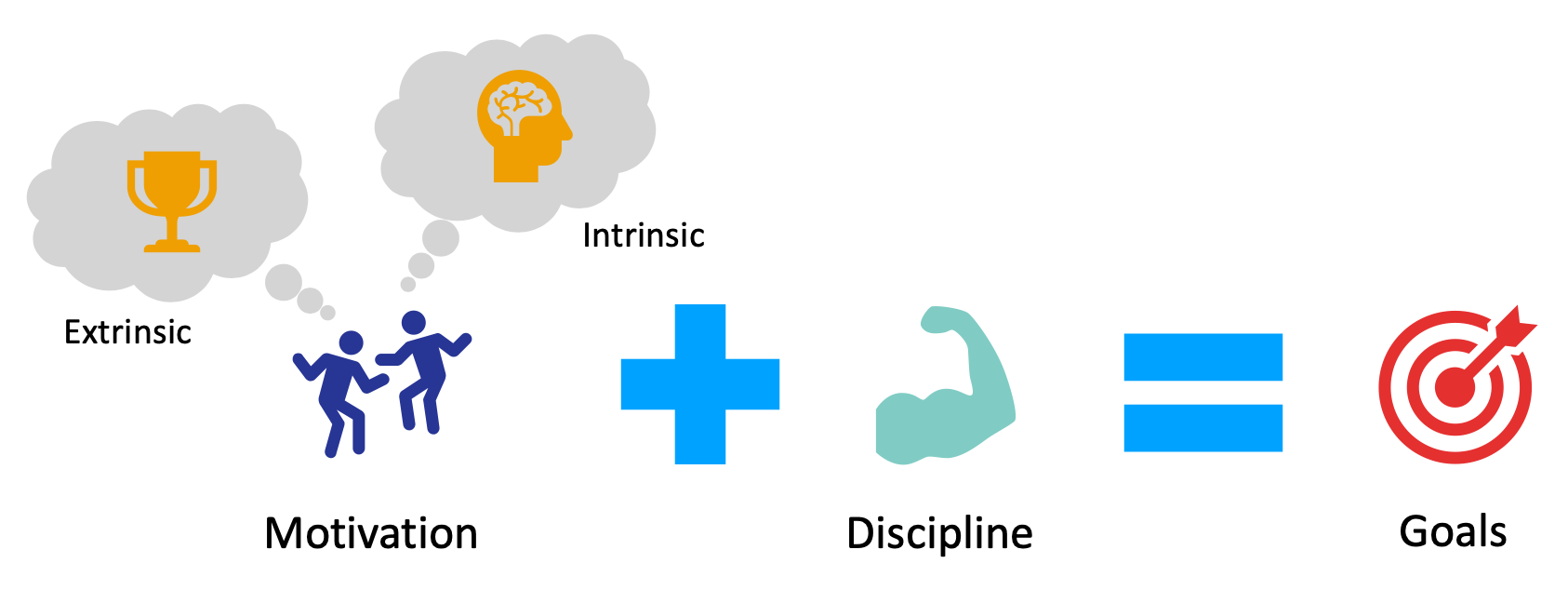
Why Discipline Always Outperforms Motivation

https://guides.secondnature.io/wp-content/uploads/2019/03/Screenshot-2019-05-16-at-14.06.36.png
https://fastercapital.com/i/Consistency--Consistency-Matters--How-Timeliness-Creates-Lasting-Impact--Achieving-Goals-and-Building-Habits.webp
https://m.media-amazon.com/images/I/81YhZxhSktL._UF1000%2C1000_QL80_.jpg

✨ Introduction

Motivation is an amazing feeling — it’s that spark of energy that pushes you to start something new. You feel excited. You feel unstoppable. You say “Tomorrow I’ll change everything!”

But then… tomorrow comes.
And motivation disappears.

That’s when most people give up.
Not because they’re weak —
but because they depend on motivation instead of discipline.

Discipline doesn’t rely on feelings.
Discipline doesn’t ask if you’re in the mood.
Discipline shows up whether you feel like it or not.

If your goal is to become successful, healthier, richer, smarter — discipline is what will get you there. This article will show you how to build discipline that lasts a lifetime.


✅ Motivation Gets You Started — Discipline Keeps You Going

https://media.licdn.com/dms/image/v2/D4E22AQGrr6kgfObcTg/feedshare-shrink_800/feedshare-shrink_800/0/1714749234755?e=2147483647&t=VHNXEA-6Cv-4PtfJHX76EusD0L8UneQoEekiCTmWKB4&v=beta
https://i.pinimg.com/736x/43/2d/44/432d44d8a21e6a274287049cb77052c8.jpg
https://unicminds.com/wp-content/uploads/2023/12/image-6.png

Motivation is emotional.
It comes and goes.

But discipline is a system.
A commitment.
A decision to act consistently.

Discipline says:

“I will do the work even when I don’t feel like it.”

That simple shift separates winners from quitters.
Ordinary from extraordinary.
Dreamers from achievers. ✅


✅ Why Motivation Fails

Motivation usually comes from:
⚡ A video
⚡ A quote
⚡ A new idea
⚡ A burst of excitement

It feels powerful… until reality hits:

  • You feel tired
  • You feel bored
  • You feel discouraged
  • You don’t see results yet

Your brain wants comfort.
Comfort kills progress.

Motivation burns fast.
Discipline burns forever. 🔥


✅ How Discipline Creates Real Results

Think of your goals like planting a tree:
🌱 Motivation is planting the seed
🌳 Discipline is watering it every day

Without consistency, nothing grows.
Without discipline, nothing changes.

Your best life is built one daily action at a time.


✅ Build Discipline in 5 Powerful Steps

✅ Step 1: Set Clear and Simple Goals

Your brain loves clarity.
Instead of:
❌ “I want to get fit”
Say:
✅ “I will work out 20 minutes every morning at 7 AM”

Specific goals create consistent actions.


✅ Step 2: Create a Routine and Stick to It

Routines turn decisions into habits.
Habits turn effort into autopilot.

Example:

  • Wake up at the same time
  • Exercise at the same time
  • Work on goals at the same time

Do it until it becomes automatic. ✅


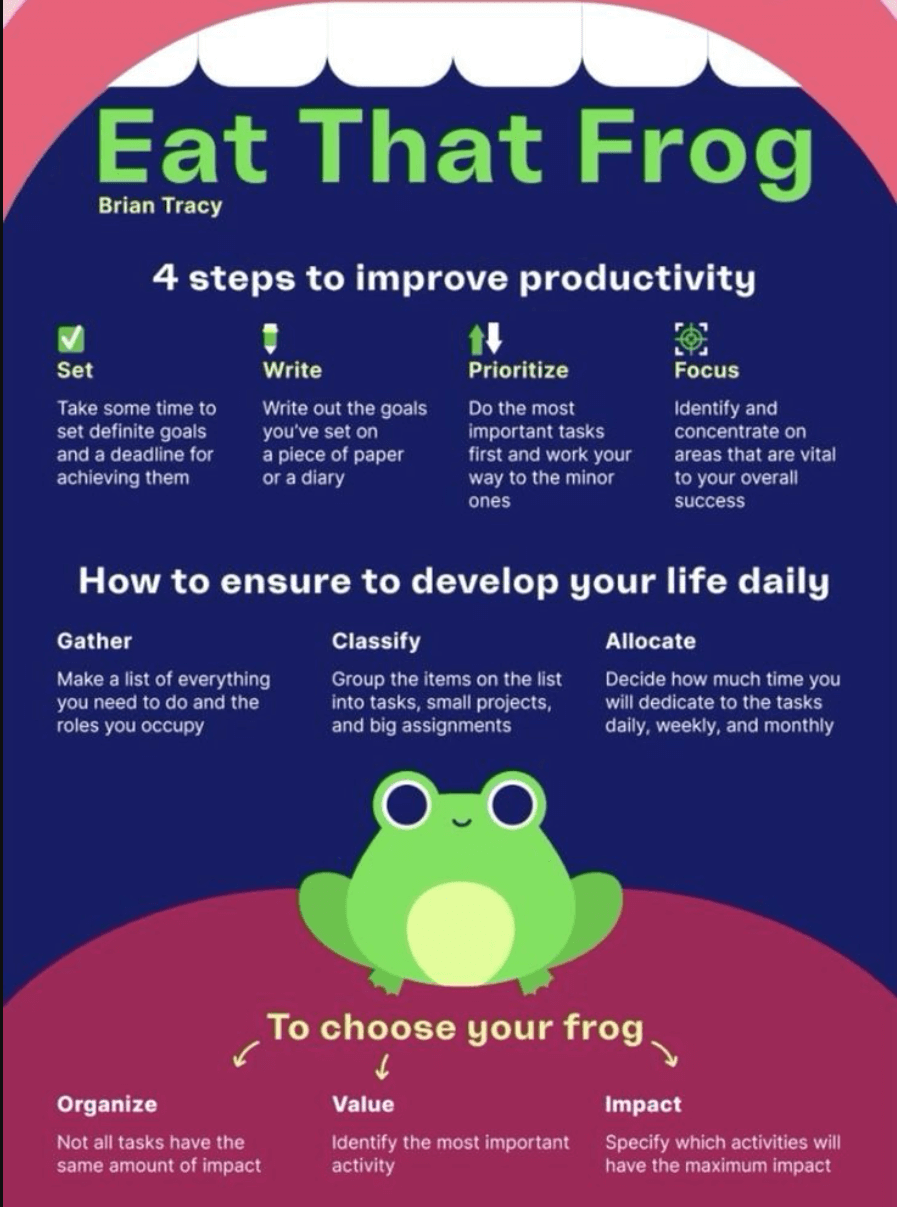
✅ Step 3: Do the Hard Thing First

https://pomotastic.com/assets/img/blog/eat-that-frog.png
https://media.licdn.com/dms/image/v2/D4D12AQGyVw3zldVxZg/article-cover_image-shrink_720_1280/B4DZeqBIPbH4AM-/0/1750904116283?e=2147483647&t=D4ZcTICljOumDvxsXY1tS2vEX1-OuwZ2BZV_Zeb861Q&v=beta
https://hagengrowth.com/wp-content/uploads/2024/06/How-habit-stacking-works.jpg

Your energy is strongest in the morning — use it wisely.
Finish the hardest task first and the rest of the day becomes easier.

When you win your morning, you win your day.


✅ Step 4: Track Progress — Even Small Wins

Success is built on tiny victories.

✅ Every workout
✅ Every page you read
✅ Every habit you complete

Track it. Celebrate it.
Your brain will crave more progress.


✅ Step 5: Remove Excuses

Every excuse has the same message:

“My comfort is more important than my dreams.”

Ask yourself daily:
What matters more — who I am now or who I want to become?

Discipline always chooses the future you. 💪✨


✅ When You Don’t Feel Like It — Do It Anyway

This is the secret.
The magic moment.
The turning point.

The day you show up WITHOUT motivation…
You win. ✅

That’s when discipline takes over.
That’s when transformation happens.
That’s when new levels unlock.


✅ Real-Life Proof

Every successful person you admire didn’t succeed because of motivation:
🏋️ Athletes train even on bad days
💼 Entrepreneurs work when tired
📚 Students study even without inspiration

They became winners because they didn’t quit.

Discipline makes ordinary people extraordinary.


✅ A 21-Day Discipline Challenge

✔️ Do one task daily for 21 days:

  • Wake up and make your bed
  • Drink water immediately
  • Do a tiny workout (10 mins)
  • Spend 15 mins on your goal
  • Avoid lazy excuses

After 21 days?
You’ll have a new identity:
→ A disciplined person 🔥


✅ FAQ (SEO Boost + AdSense Friendly)

Q: How long does it take to build discipline?
You can see changes in as little as 3 weeks.

Q: What if I miss a day?
Don’t quit. Reset. Continue.
Discipline isn’t perfection — it’s persistence.

Q: Can discipline improve my confidence?
YES. Confidence grows every time you keep a promise to yourself.


✅ Final Motivation

Motivation may start the journey…
But discipline crosses the finish line.

You deserve success.
You deserve growth.
You deserve the life you dream of.

And you’re building it one disciplined day at a time.

How to Build Self Confidence Step by Step

✨ Introduction

Self-confidence is the foundation of success, happiness, and personal growth. It’s the strength that tells you:
“I can do this. I deserve this. I’m becoming better.”

But confidence isn’t something you are born with — it’s something you build. Every skill, every accomplishment, every moment you decide not to give up… adds another brick to your inner strength.

In this guide, you’ll learn simple and practical steps to boost your confidence no matter where you are starting from — whether you feel shy speaking up, doubt your abilities, or fear failure.

Remember: confidence is a muscle — the more you use it, the stronger it becomes.


✅ Step 1: Understand Where Your Confidence Comes From

Confidence isn’t magic — it grows from:
✅ Courage
✅ Experience
✅ Preparation
✅ Self-belief

Start by recognizing what currently kills your confidence:

Negative self-talk

Comparing yourself to others

Past failures

Judgment from people

Fear of making mistakes

You can’t fix what you don’t understand — so this awareness is the first win.

✨ Write down 5 things that make you feel strong
And 5 things that make you doubt yourself

Awareness creates clarity.
Clarity creates change. ✅


✅ Step 2: Set Small Wins & Celebrate Every Progress

Confidence grows when you achieve things — even small things.

Examples:

Waking up earlier

Drinking water in the morning

Completing a workout

Reading for 10 minutes

Speaking confidently in one conversation

Every time you win, your brain says:
👉 “I’m capable. I can do more.”

Track your wins daily — build momentum like leveling up in a game.

💡 Motivation Tip:
Small daily victories beat big, inconsistent ones.


✅ Step 3: Improve Your Body Language & Appearance

Did you know? Your brain listens to your body.
When you:
✅ Stand tall
✅ Make eye contact
✅ Smile
✅ Dress neatly

…you feel more confident instantly.

Try the “confidence posture”:
✔️ Shoulders back
✔️ Chin up
✔️ Deep breath

Body language can change your mood… before your mind even catches up.


✅ Step 4: Stop Comparing Yourself to Others

Comparison is the thief of joy.
Social media makes it worse — people only show their best moments, not their struggles.

You are on your journey.
You are not behind.
You are growing.

Focus on being 1% better each day.


✅ Step 5: Practice Speaking Up — Even If You’re Afraid

Communication is a major confidence builder.
You don’t have to start with big speeches — start small:

Share your opinion in a group

Ask questions

Introduce yourself to someone new

Speak clearly and loudly

Each time you speak up, you teach your brain that your voice matters.
Because it does.


✅ Step 6: Learn Skills That Make You Proud

Confidence grows from capability.
When you learn something new, you prove to yourself:

👉 “I am improving. I am valuable.”

Ideas:

Learn a tech skill like coding or AI tools

Improve fitness and health

Study business or money skills

Practice creativity: writing, photography, design

Skills open doors.
Confidence walks through them. ✅


✅ Step 7: Surround Yourself With Positive People

Some people build you.
Some people break you.

Confidence grows faster when your environment supports you.
Choose people who:
✅ Encourage you
✅ Believe in your potential
✅ Celebrate your progress

And distance yourself from anyone who constantly:
❌ Criticizes you
❌ Doubts your dreams
❌ Makes you feel small

Protect your peace. Your confidence will thank you.


✅ Step 8: Replace Negative Self-Talk With Powerful Affirmations

Your words shape your identity.
Start practicing:

✅ “I am capable.”
✅ “I deserve success.”
✅ “I learn from mistakes.”
✅ “I am becoming stronger every day.”

Repeat them daily.
Your brain eventually believes what you tell it regularly.


✅ Step 9: Accept Failure as Part of Success

Every successful person has failed more times than most people ever try.

Failure doesn’t mean:
❌ You are not good enough

It means:
✅ You are growing
✅ You are learning
✅ You are trying

Confidence is not the absence of fear —
it is the courage to keep going despite fear.


✅ Step 10: Do This 30-Day Confidence Challenge

✔️ Practice one confidence-boosting action daily:

Day Action

1–5 Improve posture + eye contact
6–10 Speak up in one conversation daily
11–15 Take small challenges (new habit)
16–20 Celebrate every small win
21–25 Reduce negative self-talk
26–30 Do one thing that scares you daily

You won’t recognize yourself after 30 days.


✅ Frequently Asked Questions (SEO Boost)

Q: How long does it take to build self-confidence?
With daily action, you can feel changes in 2–4 weeks.

Q: What if I fail again?
Fail. Learn. Try again.
That’s how confidence is built.

Q: Can introverts be confident?
Absolutely. Confidence doesn’t mean being loud —
it means being comfortable with who you are.


✅ Final Motivation

You are stronger than you think.
You are more capable than you know.
You deserve confidence — and you are already building it.

➡️ Save this article.
➡️ Start the challenge today.
➡️ Your future self will thank you.